
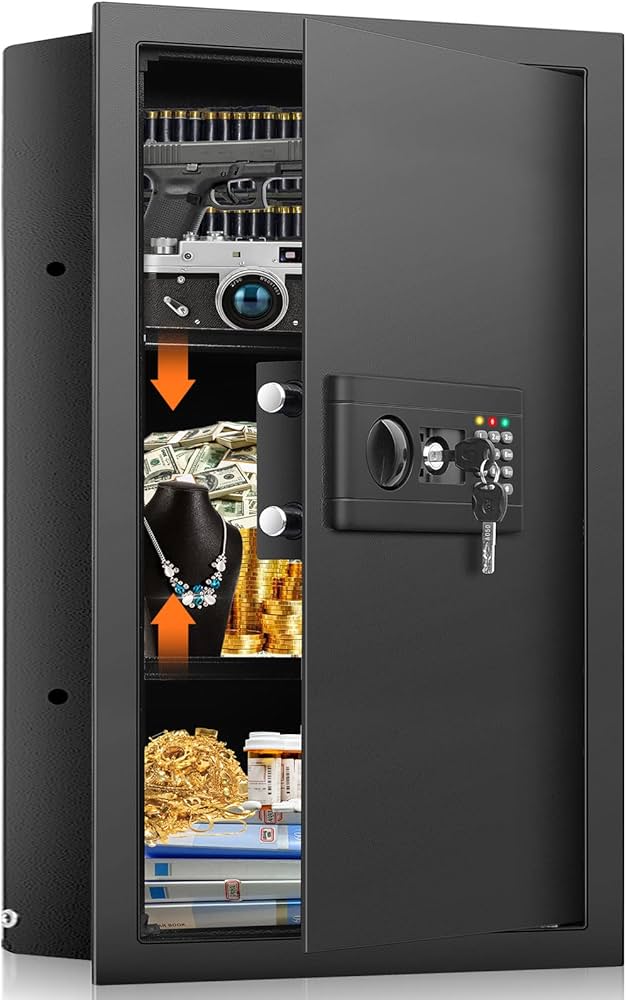
Are you looking to protect your valuable belongings from theft and loss? Look no further than a home safe. But with so many options available, it can be overwhelming to choose the right one. In this article, we’ll explore the characteristics of a good home safe, discuss the different types of locks, and provide tips for choosing the best one for your needs.
What Makes a Home Safe Effective?
A home safe should be designed with security in mind. Here are some key features to look for:
- A strong, sturdy construction that can withstand forced entry
- A secure locking mechanism that is difficult to pick or bypass
- Ample space inside the safe to store valuable items
Types of Home Safes
There are several types of home safes available on the market, each with its own unique features and benefits. Here are some of the most common types:
- Traditional Home Safe: A classic design that is simple, sturdy, and easy to use.
- Digital Home Safe: A modern design that uses a combination lock or biometric authentication for added security.
- Fireproof Home Safe: Designed to protect valuable items from fire damage.
Locking Mechanisms
The type of locking mechanism used in a home safe can significantly impact its security. Here are some common types:
- Combination Locks: Use a combination of numbers or letters to open the safe.
- Biometric Authentication: Use fingerprints, facial recognition, or iris scanning for added security.
- Digital Keypads: Use a digital keypad to enter a code and access the safe.
Choosing the Right Home Safe
With so many options available, it can be overwhelming to choose the right home safe. Here are some tips to consider:
- Consider your budget: Home safes can range in price from under $100 to over $1,000.
- Think about the size of the safe: How much space do you need inside the safe?
- Research different types of locks: What type of locking mechanism is best for your needs?
Security Features
In addition to a strong construction and secure locking mechanism, there are several other security features that can enhance the safety of your home. Here are some options:
- Alarm System: Some safes come with an integrated alarm system that sounds when the safe is opened or tampered with.
- Motion Detector: Some safes have a built-in motion detector that detects movement around the safe and sends an alert to the homeowner.
- Anti-Theft Protection: Some safes come with anti-theft protection features such as anchor points that make it difficult for thieves to move the safe.
Maintenance and Upkeep
To ensure that your home safe remains effective, regular maintenance and upkeep are necessary. Here are some tips:
- Clean the safe regularly: Use a soft cloth to wipe down the exterior of the safe and keep the interior clean.
- Check the lock regularly: Make sure the lock is functioning properly by checking it every few months.
- Consider replacing old batteries: If your home safe uses batteries, consider replacing them every 6-12 months.
Conclusion
Choosing the right home safe can be a daunting task, but with the right information and consideration, it’s possible to find one that meets your unique needs. By considering factors such as size, lock type, budget, security features, maintenance requirements, and additional features, you can find a home safe that provides peace of mind and protects your valuable belongings.
FAQs:
- What are some key features to look for in a home safe?
- A strong, sturdy construction
- A secure locking mechanism
- Ample space inside the safe
- What types of locks are available for home safes?
- Combination locks
- Biometric authentication
- Digital keypads
- How much does a good home safe cost?
- $100-$1,000
- Can I use a home safe to store valuable items such as jewelry or important documents?
- Yes, but consider the size of the safe and the type of lock used.
- Are there any additional features that can enhance the security of my home safe?
- Some safes come with additional features such as fireproofing or anti-theft protection.
- Can I use a home safe to store cash?
- Yes, but consider the size of the safe and the type of lock used.
- Are there any tips for choosing the right home safe?
- Consider your budget
- Think about the size of the safe
- Research different types of locks
Common Mistakes to Avoid
When choosing a home safe, it’s easy to make mistakes that can compromise its effectiveness. Here are some common mistakes to avoid:
- Not considering the right size: Make sure you choose a safe that is large enough to store all your valuable items.
- Choosing a lock that is too easy to pick: Consider choosing a safe with a secure locking mechanism, such as biometric authentication or a digital keypad.
- Not researching different types of locks: Research different types of locks and consider what type would be best for your needs.
Conclusion
In conclusion, choosing the right home safe can be a daunting task. By considering factors such as size, lock type, budget, security features, maintenance requirements, additional features, common mistakes to avoid, and FAQs, you can find a home safe that provides peace of mind and protects your valuable belongings.


