
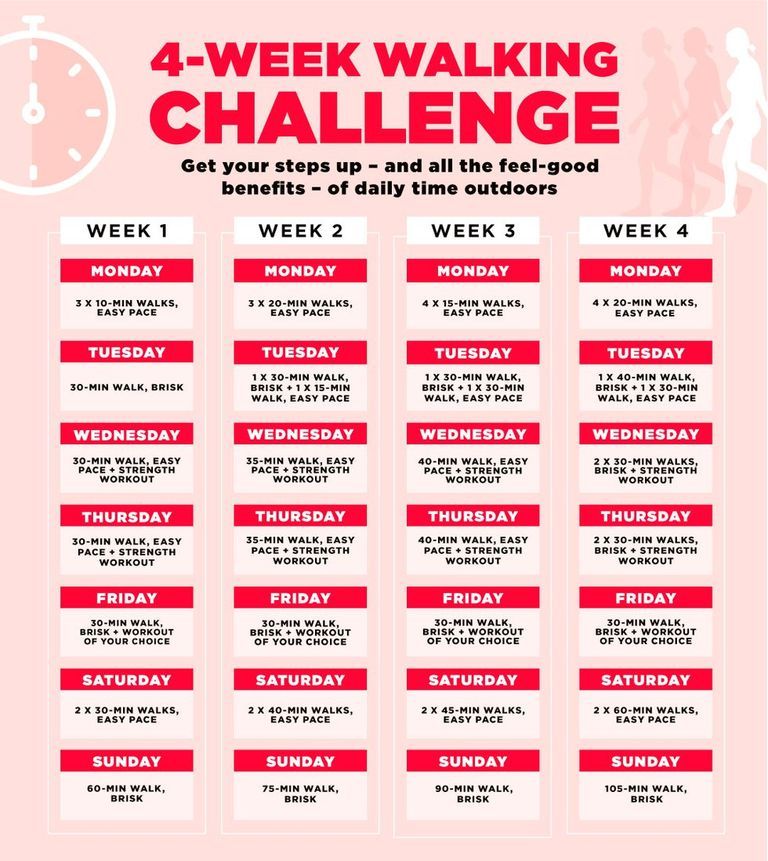
Walking is an excellent form of exercise that offers numerous benefits beyond just weight loss. It’s a low-impact activity that can be tailored to suit different fitness levels and goals, making it an ideal choice for individuals of all ages and backgrounds. In this article, we’ll delve into the science behind walking for weight loss, explore its benefits for overall health and wellbeing, and provide tips on how to incorporate it into your daily routine.
The Science Behind Walking for Weight Loss
Walking is a great way to burn calories and shed pounds, but did you know that it can also have other benefits beyond just weight loss? When we walk, our bodies use energy from the food we eat to power our movements. This process is called thermogenesis, and it’s an essential mechanism for maintaining a healthy metabolism.
When we walk, our muscles contract and relax, causing our hearts to beat faster and more efficiently. This increased cardiovascular activity helps to burn calories and improve insulin sensitivity, reducing the risk of developing type 2 diabetes.
In addition to its weight loss benefits, walking has also been shown to have positive effects on our mental health. The act of walking can help reduce stress and anxiety by releasing endorphins, also known as “feel-good” hormones. These natural chemicals can improve our mood and overall sense of well-being, making walking a great way to boost our mental health.
The Benefits of Walking
So, what exactly are the benefits of walking? Here are just a few:
- Toning up and strengthening muscles: When we walk, our muscles contract and relax, causing our muscles to strengthen and tone.
- Improving cardiovascular fitness: Regular walking can help improve our heart health by increasing blood flow and reducing blood pressure.
- Boosting mental health: Walking has been shown to have numerous benefits for mental health, from reducing stress and anxiety to improving mood and overall wellbeing.
Walking at a Slow and Steady Pace is Key for Weight Loss
When it comes to walking for weight loss, speed matters. Walking too quickly can burn calories initially, but it also increases our risk of injury. By incorporating short bursts of faster walking into your routine, followed by periods of slower, more leisurely pace, you can:
- Burn calories more efficiently: This technique is called interval training, and it’s a great way to boost your metabolism while minimizing your risk of injury.
- Improve overall fitness and wellbeing: Regular walking can help improve our cardiovascular health, reduce blood pressure, and increase energy levels.
Walking Beyond Weight Loss: How It Can Reduce Chronic Disease Risk
While walking for weight loss is an excellent goal, it’s essential to remember that there are many other benefits beyond just losing pounds. Walking has been shown to reduce the risk of chronic diseases like:
- Diabetes: Regular walking can help improve insulin sensitivity and reduce the risk of developing type 2 diabetes.
- Heart disease: Walking can help lower blood pressure, improve circulation, and reduce the risk of heart disease.
- Improving lung function: Walking has been shown to improve lung function in individuals with asthma and chronic obstructive pulmonary disease (COPD).
The Importance of Good Quality Footwear for Walking
When it comes to choosing the right shoes for walking, investing in good quality footwear is crucial. Look for comfortable, supportive shoes that provide adequate cushioning and traction to ensure a safe and enjoyable walking experience.
- Choose the right shoe size: Make sure to choose a shoe that fits comfortably and provides enough support.
- Select breathable materials: Choose shoes made from breathable materials like mesh or leather to keep your feet cool and dry.
- Incorporate arch support: Select shoes with good arch support to reduce foot pain and discomfort.
Walking with a Friend or Group: Staying Motivated and Accountable
Walking with a friend or group can be an excellent way to stay motivated and accountable, especially at the beginning of your walking journey. Many cities now have organized walking groups that meet regularly in parks and other public spaces.
- Find a walking buddy: Having someone to walk with can be an excellent motivator, especially when you’re starting out.
- Join a local walking group: Look for local walking groups in your area to connect with like-minded individuals and stay motivated.
- Schedule regular walks: Make sure to schedule regular walks into your calendar to ensure consistency.
Calorie Burn: How Walking Can Help You Lose Weight
For pregnant women, walking is a great way to stay active and healthy during pregnancy. Regular walking can help improve circulation and breathing, while also boosting mood and overall wellbeing.
- Start slow: Begin with short walks and gradually increase the distance and duration as you become more comfortable.
- Listen to your body: Pay attention to your body and take regular breaks to avoid fatigue and discomfort.
- Stay hydrated: Make sure to stay hydrated by drinking plenty of water before, during, and after your walks.
Walking and Mental Health: The Connection
Walking has been shown to have numerous benefits for mental health, from reducing stress and anxiety to improving mood and overall wellbeing. Here are just a few ways that walking can positively impact our mental health:
- Reducing stress and anxiety: Walking can help reduce stress and anxiety by releasing endorphins, also known as “feel-good” hormones.
- Improving mood: Regular walking can help improve our mood and overall sense of well-being.
- Boosting self-esteem: Walking can help boost our self-esteem by providing a sense of accomplishment and confidence.
Incorporating Walking into Your Daily Routine: Tips and Tricks
Here are some tips and tricks for incorporating walking into your daily routine:
- Start small: Begin with short walks and gradually increase the distance and duration as you become more comfortable.
- Find a walking buddy: Having someone to walk with can be an excellent motivator, especially when you’re starting out.
- Mix it up: Try different types of walking, such as hill walking or swimming, to keep things interesting and prevent boredom.
Conclusion
In conclusion, walking is an excellent way to improve your physical health and wellbeing, whether you’re trying to lose weight or simply want to feel more energized and motivated throughout the day. By incorporating walking into your daily routine, you can experience numerous benefits beyond just weight loss, from toning up and strengthening muscles to boosting mental health.
Frequently Asked Questions
- What is the best way to get started with walking?
Start small: Begin with short walks and gradually increase the distance and duration as you become more comfortable. - How can I stay motivated while walking?
Find a walking buddy: Having someone to walk with can be an excellent motivator, especially at the beginning of your walking journey. - What are some tips for incorporating walking into my daily routine?
Mix it up: Try different types of walking, such as hill walking or swimming, to keep things interesting and prevent boredom.
- How can I reduce my risk of chronic disease while walking?
Incorporate short bursts of faster walking into your routine, followed by periods of slower, more leisurely pace. - What are some benefits of walking for mental health?
Walking has been shown to have numerous benefits for mental health, from reducing stress and anxiety to improving mood and overall wellbeing. - Can I walk while pregnant?
Yes, walking is a great way to stay active and healthy during pregnancy. Regular walking can help improve circulation and breathing, while also boosting mood and overall wellbeing.


