
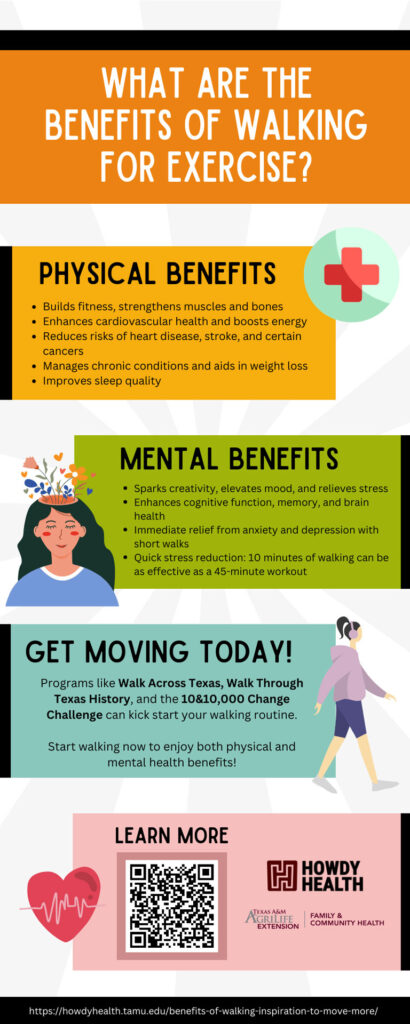
As we go about our daily lives, it’s easy to overlook the simple pleasures that can have a profound impact on our overall health and wellbeing. One of these often-underappreciated benefits is the power of taking a simple walk. In this article, we’ll delve into the many advantages of incorporating regular walking into your daily routine.
The Benefits of Walking: Separating Fact from Fiction
While it’s true that exercise classes and gym memberships can be beneficial for our physical health, walking is often overlooked as a viable option. However, the science is clear: regular walking can have a significant impact on both our physical and mental wellbeing.
From reducing stress and improving mood to boosting creativity and preventing dementia, the benefits of walking are numerous. But what exactly makes walking so special? Let’s take a closer look at some of the ways that incorporating walking into your daily routine can have a positive impact on your life.
Improving Mental Clarity and Creativity
Research has shown that regular walking can have a profound impact on our mental clarity and creativity. Whether you’re struggling to come up with new ideas or feeling stuck in a rut, taking a short walk outside can help stimulate your mind and get those creative juices flowing again. And it’s not just about being outdoors – even a brief stroll around the block can be beneficial.
In fact, studies have found that walking can increase blood flow to the brain, which can lead to improved cognitive function and increased creativity. This is because walking stimulates the release of endorphins, also known as “feel-good” hormones, which can help clear mental clutter and promote new ideas.
Reducing Stress and Improving Mood
Walking is also an effective way to reduce stress and improve our mood. When we’re feeling overwhelmed or anxious, taking a short walk outside can help calm our minds and clear our heads. And it’s not just about the physical act of walking – being in nature has been shown to have a profound impact on our mental wellbeing.
In fact, research has found that spending time in natural environments can reduce symptoms of depression and anxiety by as much as 25%. This is likely due to the calming effects of nature, which can help slow down our heart rate and promote relaxation.
Preventing Dementia and Boosting Cognitive Function
But that’s not all – regular walking has also been shown to prevent dementia and improve cognitive function. Studies have found that incorporating regular exercise into your daily routine can help build cognitive reserve, reducing the risk of age-related cognitive decline.
In fact, research has found that older adults who engage in regular physical activity are less likely to develop dementia than those who don’t. This is likely due to the increased blood flow and oxygenation to the brain that occurs during exercise.
Boosting Heart Health
Walking is also an excellent way to boost heart health. Regular physical activity can lower blood pressure, improve circulation, and even reduce the risk of heart disease. And it’s not just about the frequency – taking a regular walk each day can have a significant impact on your overall cardiovascular health.
In fact, research has found that regular walking can reduce the risk of heart attack by as much as 30%. This is likely due to the increased blood flow and reduced inflammation that occurs during exercise.
Improving Bone Density and Preventing Osteoporosis
Walking is also beneficial for our bones, helping to improve bone density and prevent osteoporosis. Regular physical activity can help stimulate the growth of new bone tissue, reducing the risk of fractures and other bone-related problems.
In fact, research has found that older adults who engage in regular physical activity are less likely to develop osteoporosis than those who don’t. This is likely due to the increased bone density that occurs during exercise.
Unlocking the Power of Vitamin D
Finally, walking can even help boost our vitamin D levels. When we’re exposed to natural sunlight, our bodies produce vitamin D – a essential nutrient that plays a critical role in maintaining strong bones and overall health. And taking a regular walk outside during the day can be a great way to get your daily dose of vitamin D.
In fact, research has found that adults who spend more time outdoors are less likely to develop vitamin D deficiency than those who don’t. This is likely due to the increased exposure to natural sunlight that occurs during outdoor activities like walking.
The Benefits of Walking: Putting it all Together
So what exactly makes walking so special? When we combine the many benefits of regular walking, including improved mental clarity, reduced stress, boosted creativity, and improved heart health, it’s clear that this simple activity can have a profound impact on our overall wellbeing.
But there are some important considerations to keep in mind – particularly when it comes to pace and duration. While it’s okay to take a leisurely stroll around the block, aiming for a brisk pace of at least 3-4 miles per hour can help maximize your benefits. And remember, consistency is key: taking a regular walk each day can have a significant impact on your overall health and wellbeing.
Frequently Asked Questions
Q: How often should I take a walk to see the benefits?
A: Aim for at least 30 minutes of walking per day, ideally at a brisk pace. Consistency is key, so try to make walking a regular part of your daily routine.
Q: Can I still get the benefits if I’m not a big fan of exercise?
A: Absolutely! Walking can be modified to suit your fitness level and interests. Whether you’re looking for a gentle stroll or a more intense workout, there’s a type of walking that’s right for you.
Q: How does walking impact bone density?
A: Regular walking has been shown to improve bone density and reduce the risk of osteoporosis. This is because physical activity stimulates the growth of new bone tissue and can help strengthen existing bones.
Q: Can I get too much vitamin D from walking alone?
A: While walking can be beneficial for vitamin D levels, it’s not a substitute for sun exposure or supplementation. If you’re concerned about your vitamin D levels, speak with your doctor or healthcare professional for personalized advice.
Q: How can I make walking more enjoyable and sustainable in the long term?
A: Consider finding a walking buddy or joining a local walking group to stay motivated. You could also try incorporating short bursts of intensity or trying new routes to keep things interesting. Whatever your approach, remember that consistency is key – stick with it and you’ll start to see benefits in no time!
Q: Can I still get the benefits if I have mobility issues?
A: Absolutely! While walking may not be possible for everyone, there are alternative forms of physical activity that can still provide similar benefits. Consider consulting with your healthcare professional or a fitness expert to find an approach that works for you.
Q: How does walking compare to other forms of exercise?
A: Walking is an excellent form of exercise that offers many unique benefits. While it may not be as intense as high-impact activities, walking can still provide significant physical and mental health benefits – making it a great option for those looking for a low-impact, accessible workout.
Q: Can I take walks at night to get more vitamin D?
A: Unfortunately, it’s unlikely that taking walks at night will significantly boost your vitamin D levels. While some forms of artificial lighting can stimulate the production of melatonin (a hormone that regulates sleep-wake cycles), walking alone is not enough to produce significant vitamin D.
Q: How can I balance walking with other aspects of my life?
A: Make sure to prioritize self-care and schedule time for activities you enjoy – whether it’s reading, spending time with friends or family, or pursuing hobbies. Remember that walking should be a sustainable part of your overall lifestyle, not an all-consuming activity.
Q: Can I still get the benefits if I take breaks during my walk?
A: Absolutely! While taking regular breaks can be beneficial for maintaining energy levels and avoiding burnout, it’s also important to prioritize consistency and make walking a regular part of your daily routine.


