
Introduction
When it comes to luxurious and high-quality beef, few options compare to Wagyu. This Japanese breed is renowned for its tender and flavorful meat, which has gained popularity worldwide among food enthusiasts and chefs alike. In this article, we will delve into the benefits of consuming Wagyu beef, exploring its nutritional value, unique characteristics, and culinary applications.
What is Wagyu Beef?
Wagyu beef originates from a specific breed of cattle native to Japan, particularly around the city of Kobe. The term “Wagyu” literally translates to “Japanese cow,” and it’s characterized by its distinctive marbling – a network of fat strands that run through the meat, giving it an exceptional tenderness and flavor.
The Benefits of Wagyu Beef
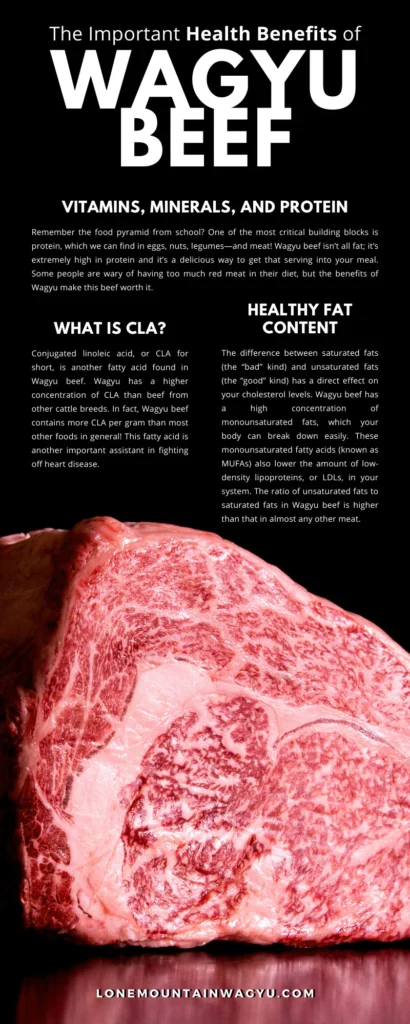
- Rich in Iron and Proteins: Wagyu beef is an excellent source of iron and proteins, making it particularly beneficial for individuals suffering from anemia.
- High-Quality Protein: The protein content in Wagyu beef is exceptionally high, with approximately 22 grams per 115-gram serving.
- Unique Flavor Profile: Wagyu beef has a distinct flavor profile, often described as sweet and savory, which is attributed to the high levels of umami taste compounds.
Nutritional Analysis
A 115-gram serving of Wagyu beef contains:
- Calories: 280
- Protein: 22g
- Fat: 28g (11g saturated, 1.5g trans)
- Cholesterol: Not specified
While the fat content in Wagyu beef is higher than average, it’s predominantly composed of saturated fats, which may not be ideal for everyone.
Culinary Applications
Wagyu beef is often served in high-end restaurants and special occasions due to its exceptional quality. Some popular ways to prepare Wagyu include:
- Yakiniku: A traditional Japanese grilling method that brings out the best flavors of the meat.
- Sashimi: Thinly sliced raw Wagyu, often served with soy sauce and wasabi.
Availability in Italy
In recent years, Wagyu beef has gained popularity in Italy, particularly in cities like Milan and Rome. Some notable establishments offering Wagyu include:
- Yazawa (Milan): A Japanese restaurant serving traditional Yakiniku dishes.
- Kilo Restaurant (Rome): A modern Italian restaurant featuring a range of grilled meats, including Wagyu.
Price
Wagyu beef is one of the most expensive types of meat available. Prices can vary depending on the cut and quality, but expect to pay around €150 per kilogram for premium options.
Conclusion
Wagyu beef is a culinary delight that offers an unparalleled level of tenderness and flavor. While it may come with a higher price tag, its unique characteristics make it worth trying for special occasions or as a treat. Whether you’re a seasoned foodie or just starting to explore the world of premium meats, Wagyu beef is definitely worth considering.
Frequently Asked Questions
- Q: Is Wagyu beef healthy?
A: While Wagyu beef contains high levels of saturated fats, it’s also an excellent source of iron and proteins, making it a nutritious option for many people. - Q: Can I find Wagyu beef in regular supermarkets?
A: It depends on the region and country. In some areas, Wagyu beef may be available in specialty stores or high-end supermarkets. - Q: How do I cook Wagyu beef to bring out its best flavors?
A: Traditional Japanese grilling methods like Yakiniku and sashimi are recommended for optimal flavor and texture. - Q: Is Wagyu beef suitable for vegetarian diets?
A: No, Wagyu beef is a meat product derived from cattle, making it unsuitable for vegetarians. - Q: Can I buy Wagyu beef online?
A: Yes, many online retailers and specialty stores offer Wagyu beef for purchase, often with shipping to various locations around the world. - Q: Is Wagyu beef worth the high price?
A: For special occasions or as a treat, yes – Wagyu beef is definitely worth trying for its unique flavor profile and exceptional quality. - Q: Can I substitute Wagyu beef in recipes?
A: While some recipes may be adapted to use Wagyu beef, others may not yield the same results due to the high fat content and specific characteristics of this meat. - Q: Is Wagyu beef a sustainable choice?
A: Unfortunately, the production of Wagyu beef can have environmental impacts due to factors like feed sourcing and breeding practices. However, some producers are working to improve sustainability.
The Science Behind Wagyu Beef
Wagyu beef’s unique characteristics can be attributed to several factors, including:
- Genetics: The genetic predisposition of Wagyu cattle to produce high levels of marbling is a key factor in its exceptional tenderness and flavor.
- Feeding practices: Wagyu cattle are often fed a special diet rich in grains and amino acids, which enhances the production of umami taste compounds.
- Breeding practices: The use of traditional breeding techniques and careful selection of breeding stock has contributed to the development of high-quality Wagyu beef.
Wagyu Beef vs. Other Types of Beef
While other types of beef may be comparable in terms of quality, Wagyu beef stands out for its exceptional marbling and unique flavor profile. Here’s a brief comparison with other popular types of beef:
- Ribeye: A rich, tender cut from the rib section, often with a slightly firmer texture than Wagyu.
- Filet Mignon: A leaner cut from the small end of the tenderloin, known for its buttery tenderness and mild flavor.
- Sirloin: A popular cut from the rear section, often more affordable than Wagyu but still offering good quality.
The Impact of Wagyu Beef on Local Economies
The popularity of Wagyu beef has significant implications for local economies, particularly in regions where production is concentrated. Some potential benefits include:
- Job creation: The demand for Wagyu beef can lead to increased employment opportunities in the agriculture and food industries.
- Economic growth: The export of high-quality Wagyu beef can contribute to economic growth and development in countries like Japan and Italy.
Conclusion
Wagyu beef is a culinary delight that offers an unparalleled level of tenderness and flavor. While it may come with a higher price tag, its unique characteristics make it worth trying for special occasions or as a treat. Whether you’re a seasoned foodie or just starting to explore the world of premium meats, Wagyu beef is definitely worth considering.
Recommendations
If you’re interested in trying Wagyu beef for yourself, here are some recommendations:
- Start with small portions: Begin by trying smaller portions of Wagyu beef to get accustomed to its unique flavor and texture.
- Experiment with different cooking methods: Try various cooking techniques, such as grilling or pan-frying, to enhance the flavor and tenderness of your Wagyu beef.
- Pair with complementary flavors: Pair your Wagyu beef with complementary flavors, like soy sauce or wasabi, to bring out its unique characteristics.
By following these recommendations and exploring the benefits of Wagyu beef, you can unlock a world of culinary delight and discover why this premium meat is worth trying for special occasions or as a treat.


