
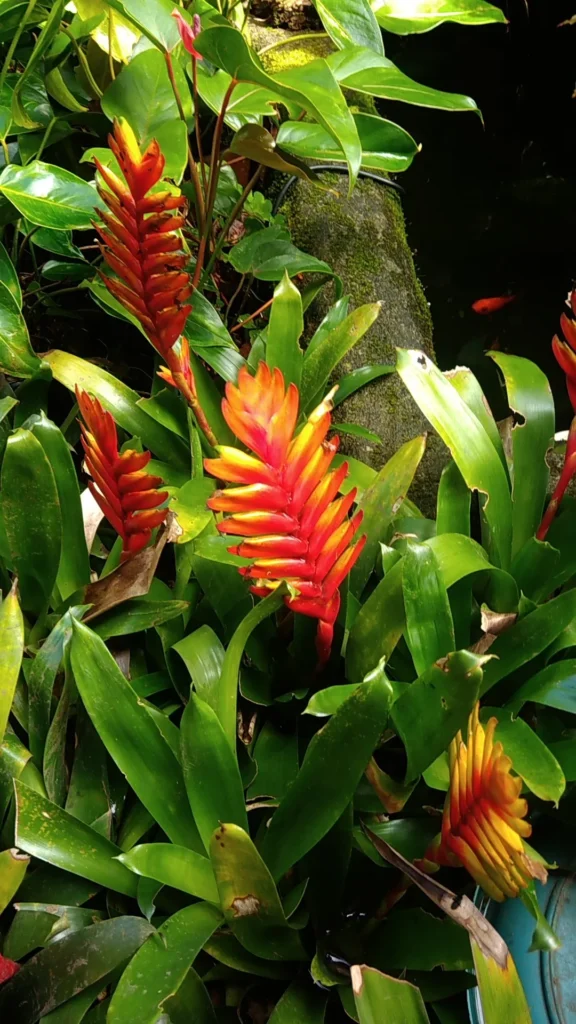
Are you looking for a low-maintenance, yet stunning addition to your home decor? Look no further than the Vriesea! This tropical plant is a member of the Bromeliaceae family, which also includes pineapples and other popular species. With its unique characteristics, easy care, and potential for beautiful blooms, it’s no wonder why many plant enthusiasts have fallen in love with this lovely plant.
What Makes Vriesea Special?
Hailing from Central and South America, the Vriesea is a slow-growing plant that produces a fruit-like capsule. Its leaves feature smooth margins and a shiny, green or yellow-green surface, often adorned with stripes or patterns. One of the most distinctive features of this plant is its rosette shape, which can grow quite large over time.
At the center of the rosette lies an inflorescence that blooms only once in its lifetime, producing bright yellow flowers that are tubular in shape. These flowers are a rare treat, as they only appear after three years of growth, so be patient!
How to Care for Your Vriesea
To keep your Vriesea thriving, it requires careful attention to its lighting and watering needs. Place the plant in a spot with bright, indirect light – direct sunlight can scorch the leaves. Watering is crucial, as the soil should remain consistently moist but not waterlogged.
Use rainwater or demineralized water to irrigate, as tap water may contain minerals that can harm the plant. Fertilization is optional, but if you do choose to fertilize, use a liquid fertilizer diluted in water every three weeks.
Pruning your Vriesea regularly will encourage healthy growth and prevent the plant from becoming leggy. Remove any dead or damaged leaves to prevent pest infestations and ensure your plant remains pest-free.
Propagating Your Vriesea
Vrieseas can be propagated through their basal offsets, which are small plants that grow from the base of the mother plant. To propagate successfully, carefully remove the offset when it reaches a height of at least 15 centimeters and pot it in a small vase or container.
You can also propagate your Vriesea using stem cuttings, but this method is less reliable. When propagating through stem cuttings, make sure to take healthy sections with at least two nodes, and remove any lower leaves to prevent the cutting from drying out during the propagation process.
Species of Vriesea: A Closer Look
With over 200 species, there’s plenty to explore in the world of Vriesea. Here are some of the most popular varieties:
- Vriesea carinata: This small species features red bracts and yellow flowers.
- Vriesea fenestralis: Characterized by large, greenish-yellow leaves with red spots, this variety is a standout among its peers.
- Vriesea imperialis: With thick, green leaves and striking reddish-brown flowers, this species is a must-have for any Vriesea enthusiast.
Common Problems and Solutions
While Vrieseas are generally easy to care for, they can be susceptible to certain issues. Here are some common problems and their solutions:
- Coccinia farinosa: This pest infestation can be eliminated by gently brushing the affected areas with a cotton swab soaked in alcohol or washing the leaves with mild soap and water.
- Lack of light: Insufficient lighting can cause the plant to become leggy or lose its vibrant colors. Consider moving your Vriesea to a brighter location.
- Overwatering: If the soil becomes waterlogged, the roots may rot, leading to leaf drop and other issues.
By following these care tips and being aware of potential problems, you’ll be well on your way to becoming a Vriesea expert!
Frequently Asked Questions
Here are some answers to common questions about Vrieseas:
- How often should I water my Vriesea?
The ideal watering schedule will depend on the specific plant and its environment. As a general rule, aim for moist but not waterlogged soil. - Can I propagate my Vriesea using stem cuttings?
While it’s technically possible to propagate your Vriesea using stem cuttings, this method is less reliable than propagation through basal offsets or division.
Tips and Tricks
Here are some additional tips to help you care for your Vriesea:
- Keep the leaves clean: Regularly wipe down the leaves with a damp cloth to remove dust and debris.
- Use a humidity tray: Place a small tray filled with water under the plant pot to increase the surrounding humidity.


