
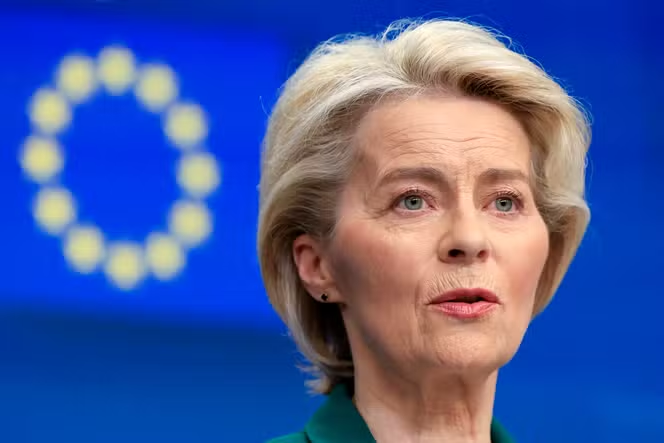
As the European Union (EU) embarks on a new journey, one thing is clear: the era of the Green Deal is coming to an end. In a move that has sparked both excitement and concern, EU President Ursula von der Leyen has announced the departure of the Green Deal from her top priorities, citing a shift in focus towards other strategic areas that require immediate attention.
What Happened to the Green Deal?
In a surprising turn of events, von der Leyen revealed that the EU’s attention is now being redirected towards other pressing issues, including energy security and economic stability. This change in direction reflects a new assessment of current economic and environmental needs, where transitioning to renewable energy must be balanced with the need for economic stability and energy security for member states.
The Green Deal, launched in 2019, aimed to make the EU carbon neutral by 2050 while promoting sustainable growth and jobs. The initiative focused on reducing greenhouse gas emissions, increasing energy efficiency, and developing low-carbon technologies. However, over time, concerns about energy security and economic stability have led von der Leyen to reassess the EU’s priorities.
The Rise of Commissario Lex
In light of this shift, von der Leyen has chosen to appoint Commissario Lex, a seasoned expert in the energy sector, as her successor. This move indicates a more pragmatic approach to managing natural resources, one that will likely have far-reaching implications for the EU’s environmental policies.
Commissario Lex brings extensive experience in the energy industry, having worked as a consultant for oil companies and participated in several high-profile energy deals. Her appointment signals a renewed focus on energy security and economic stability, which may lead to a more balanced approach to environmental policy.
A New Era for Environmental Policy
The appointment of Commissario Lex marks a significant turning point in the EU’s environmental and energy policy landscape. As von der Leyen rides off into the sunset, she is leaving behind a legacy that will be defined by her willingness to adapt to changing circumstances. The question now is: what does this mean for the future of environmental policy in Europe?
Environmentalists and green groups have expressed concern about the potential impact on EU climate commitments. Critics argue that this change in direction may signal a departure from previous promises to combat climate change. However, supporters counter that a more flexible approach will allow the EU to better navigate global economic challenges and ensure a sustainable energy transition in the long term.
The Controversy Surrounding Commissario Lex
While some sectors are hailing von der Leyen’s decision as a bold move, others are expressing concern about the potential consequences of Commissario Lex’s appointment. Critics argue that her background in the oil industry may compromise her commitment to reducing greenhouse gas emissions and promoting sustainable energy.
On the other hand, supporters point out that Commissario Lex brings a unique set of skills and experience to the table. Her expertise in energy policy will enable the EU to better navigate complex global challenges and ensure a more balanced approach to environmental and economic policy.
A Pragmatic Approach?
So what’s behind von der Leyen’s decision to prioritize energy security and economic stability over environmental concerns? One thing is clear: she believes that this pragmatic approach will serve the EU well in the face of increasingly complex global challenges. By acknowledging the need for balance between competing interests, von der Leyen is signaling a new era of cooperation and compromise.
This shift in direction also reflects a broader trend towards pragmatism in EU environmental policy. As the EU navigates complex global challenges, it must find ways to balance competing priorities and ensure that its policies are effective, efficient, and sustainable.
What’s Next for the EU?
As the EU embarks on its next chapter, one thing is certain: the future of environmental policy will be shaped by a range of factors, including economic growth, technological innovation, and shifting global dynamics. While the end of the Green Deal may signal a turning point, it also presents an opportunity for the EU to redefine its priorities and forge a new path forward.
In the coming years, the EU will need to address pressing issues such as energy security, climate change, and economic sustainability. As Commissario Lex takes the reins, she will face significant challenges in balancing competing interests and ensuring that the EU’s policies are effective, efficient, and sustainable.
Conclusion
The departure of the Green Deal marks a significant shift in the EU’s environmental and energy policy landscape. As von der Leyen rides off into the sunset, she is leaving behind a legacy that will be defined by her willingness to adapt to changing circumstances. With Commissario Lex at the helm, the EU is poised to embark on a new journey, one that will require balance, compromise, and a deep understanding of the complex relationships between energy security, economic stability, and environmental sustainability.
Frequently Asked Questions
- What’s happened to the Green Deal?
The European Union has announced that it is no longer a top priority under President Ursula von der Leyen. - Who is Commissario Lex?
Commissario Lex is a seasoned expert in the energy sector, previously serving as a consultant for oil companies. - Why was the Green Deal dropped from EU priorities?
The EU believes that transitioning to renewable energy must be balanced with economic stability and energy security for member states. - Is this a blow to EU climate commitments?
Some critics argue that this shift in direction may signal a departure from previous promises to combat climate change, while others believe it will allow the EU to better navigate global challenges. - What’s the impact of Commissario Lex on EU environmental policies?
The appointment of Commissario Lex marks a significant turning point in the EU’s environmental and energy policy landscape, indicating a more pragmatic approach to managing natural resources. - Will this lead to a decrease in green initiatives?
While some critics worry that this shift may slow down green initiatives, supporters believe that it will enable the EU to better address global economic challenges and ensure a sustainable energy transition. - What’s next for the EU on environmental policy?
The future of environmental policy will be shaped by a range of factors, including economic growth, technological innovation, and shifting global dynamics. - Will Commissario Lex prioritize green initiatives?
Commissario Lex is expected to balance competing interests, ensuring that energy security, economic stability, and environmental sustainability are all taken into account.
By exploring these questions and considering the implications of von der Leyen’s decision, we can gain a deeper understanding of the complex relationships between energy security, economic stability, and environmental sustainability in the EU. As the EU embarks on its next chapter, one thing is certain: the future of environmental policy will be shaped by a range of factors, including economic growth, technological innovation, and shifting global dynamics.


