
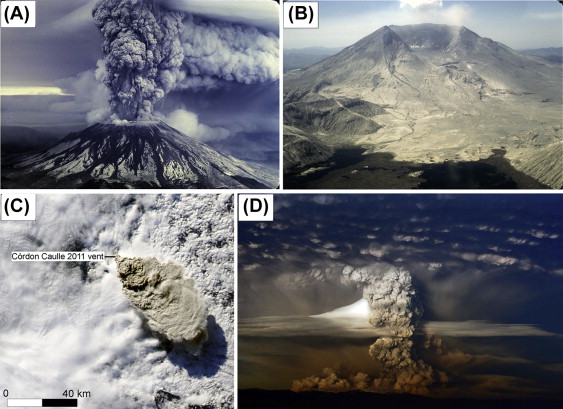
Introduction to Volcanic Phenomena
Volcanic phenomena are a complex and fascinating aspect of our planet’s geology. These events can be both destructive and awe-inspiring, often occurring without warning. But what exactly are volcanic phenomena, and how do they occur? In this article, we will delve into the world of volcanoes and explore the various types of volcanic phenomena that shape our planet.
The Origin of Volcanic Phenomena
So, why do volcanic phenomena exist? The answer lies in the Earth’s internal heat budget. As we move towards the Earth’s core, the temperature increases, reaching a scorching 4,300°C at the center. This heat is generated by the Earth’s formation and the radioactivity of minerals in the crust.
As a result, the Earth’s interior heats up, causing the materials to melt and form magma. This magma then rises towards the surface, driven by its buoyancy and pressure. When it finally reaches the surface, it erupts as lava, creating volcanic phenomena.
Types of Volcanic Phenomena
There are several types of volcanic phenomena, each with its unique characteristics. Let’s explore some of the most common ones:
- Eruptions: These are the most visible form of volcanic activity. Eruptions can be explosive or effusive, depending on the type of magma and gases involved.
- Lahars: These are mudflows that occur when volcanic ash and debris mix with water. Lahars can be deadly and destructive.
- Fumaroles: These are vents that release steam and gases from beneath the Earth’s surface. Fumaroles can provide valuable insights into the Earth’s internal heat budget.
- Geysers: These are natural springs that erupt with hot water and steam. Geysers are often found in areas where there is a significant amount of volcanic activity.
Volcanic Phenomena in Italy
Italy is located along the boundary between the African and Eurasian tectonic plates, making it prone to volcanic activity. The country has several active volcanoes, including Mount Vesuvius, which erupted in 79 AD and destroyed the ancient city of Pompeii.
In addition to volcanic eruptions, Italy also experiences seismic activity, including earthquakes and tremors. This is due to the movement of tectonic plates beneath the Earth’s surface.
The Connection Between Volcanic Phenomena and Sismic Activity
Volcanic phenomena are closely linked to seismic activity. Both types of events occur when there is stress build-up in the Earth’s crust, which can lead to fractures and faults.
In areas with significant volcanic activity, it’s common for earthquakes and tremors to occur before an eruption. This is because the movement of magma and gases beneath the surface can cause the ground to shake.
Fascinating Facts About Volcanic Phenomena
- Did you know that there are over 1,500 potentially active volcanoes in Italy alone?
- The tallest volcano in the world is Mauna Kea, which rises over 10,000 meters above the ocean floor.
- Volcanic ash can travel thousands of kilometers through the air, affecting climate and weather patterns.
Understanding the Impact of Volcanic Phenomena on Local Ecosystems
Volcanic phenomena have a significant impact on local ecosystems. The ash and debris that are ejected during an eruption can blanket vegetation, causing widespread damage to crops and forests.
In addition, the release of gases such as sulfur dioxide and carbon dioxide during eruptions can affect the local atmosphere, leading to acid rain and other environmental problems.
Famous Volcanic Eruptions
- Mount St. Helens (1980): This eruption in Washington State was one of the most significant volcanic events in recent history, causing widespread destruction and loss of life.
- Mount Pinatubo (1991): Located on the island of Luzon, this eruption was one of the largest volcanic events of the 20th century, causing widespread damage to crops and infrastructure.
- Krakatoa (1883): This Indonesian volcano erupted in a massive explosion that could be heard over 3,000 miles away, causing widespread destruction and loss of life.
Preventing Volcanic Disasters
While volcanic phenomena can be unpredictable and destructive, there are steps that can be taken to mitigate their impact. Scientists use various techniques to monitor volcanic activity, including satellite imaging, ground-based sensors, and seismic monitoring systems.
These efforts allow for early warning systems to be put in place, giving authorities time to evacuate areas at risk of eruption and provide critical support during the event.
Conclusion
Volcanic phenomena are a fascinating aspect of our planet’s geology. From eruptions to lahars, fumaroles, and geysers, these events shape our world in complex ways.
By understanding the causes and effects of volcanic activity, we can better appreciate the intricate processes that govern our planet.
Frequently Asked Questions
Q: What is the main cause of volcanic phenomena?
A: The main cause of volcanic phenomena is the movement of magma and gases beneath the Earth’s surface.
Q: How do eruptions occur?
A: Eruptions occur when magma rises towards the surface, driven by its buoyancy and pressure.
Q: Can volcanic ash affect climate and weather patterns?
A: Yes, volcanic ash can travel thousands of kilometers through the air, affecting climate and weather patterns.
A: No, not all earthquakes are related to volcanic activity. However, in areas with significant volcanic activity, it’s common for earthquakes to occur before an eruption.
Q: Can geysers be found anywhere on Earth?
A: Yes, geysers can be found in areas where there is a significant amount of volcanic activity.
Q: How do fumaroles provide insights into the Earth’s internal heat budget?
A: Fumaroles release steam and gases from beneath the Earth’s surface, providing valuable information about the planet’s internal temperature and composition.


