
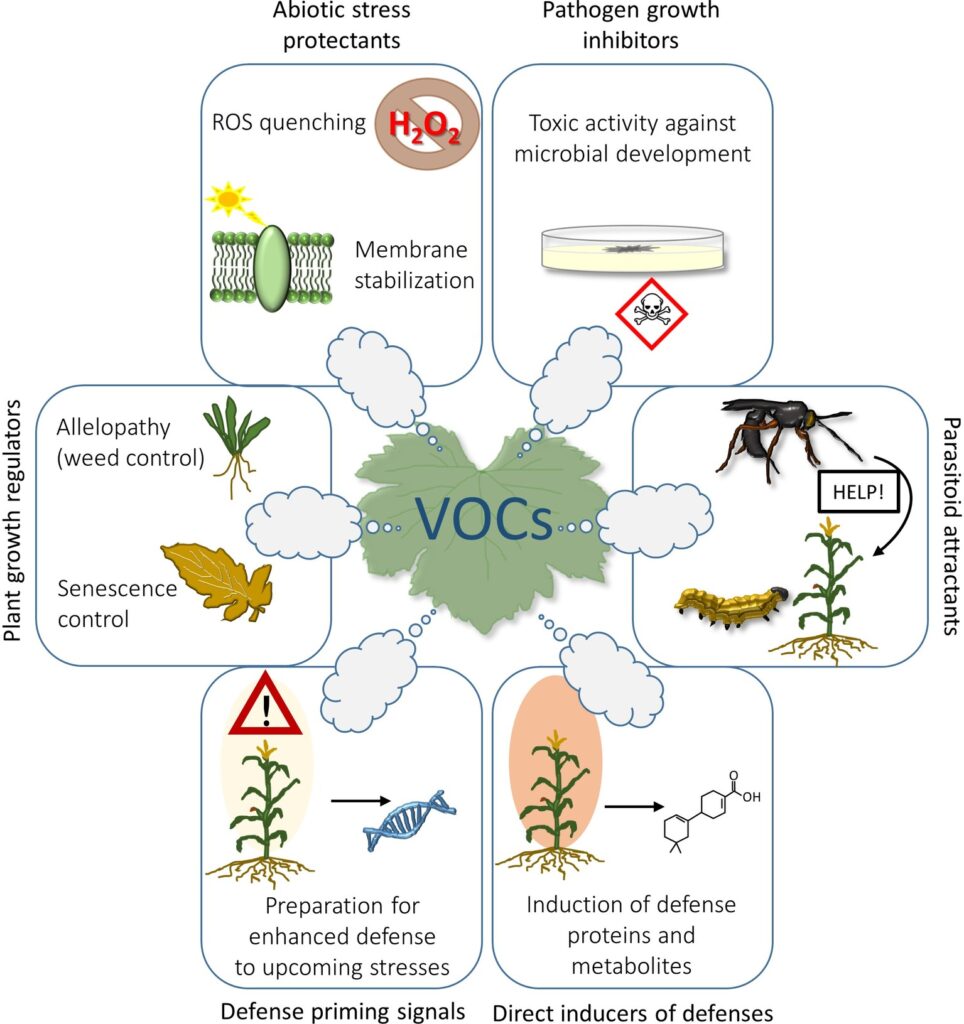
As we go about our daily lives, we’re surrounded by tiny molecules that can have a significant impact on our health and the environment. These molecules are known as Volatile Organic Compounds (VOCs). While some VOCs may seem harmless, others can be extremely harmful to our well-being and the planet.
What are VOCs?
VOCs are organic compounds that evaporate easily, releasing into the air and contributing to environmental pollution. They can come from natural sources such as plants, soil, and water, or they can be created through human activities like industrial processes and chemical manufacturing. The most common VOCs are those with a low boiling point, which allows them to vaporize quickly.
The Source of VOCs: Natural vs. Anthropogenic
Not all VOCs come from human activities. Some are naturally produced by plants and other organisms. For example, methane (CH4) is a common VOC that originates from microbial decomposition in soil and water. Other VOCs, like terpenes and esters, are also found in plant-based sources.
However, most VOCs we encounter today are the result of human activities, such as industrial processes and chemical manufacturing. These anthropogenic VOCs can have devastating effects on our health and the environment.
Why Should We Worry About VOCs?
VOCs are a major concern because they can contaminate our air, water, and soil. Prolonged exposure to high levels of VOCs can cause respiratory problems, cancer, and other serious health issues. Moreover, VOCs can also contribute to climate change by releasing greenhouse gases into the atmosphere.
Defining VOCs: Limits and Thresholds
To understand the risks associated with VOCs, we need to define what constitutes a VOC. In Italy, VOCs are measured in parts per million (ppm) at 20°C (293.15 K). In contrast, the European Union sets limits of 0.01 kPa for VOCs in liquid form.
The Dangers of Non-Methane VOCs
Non-methane VOCs are a category of compounds that can be extremely harmful to human health and the environment. These include benzene, which is a known carcinogen, and other pollutants like toluene and xylene. Benzene is particularly dangerous because it can damage the bone marrow and increase the risk of blood cancer.
Regulating VOCs: The Law is Clear
In 2006, the European Union introduced regulations to limit VOC emissions from solvent-based products. The decree sets limits on VOC content in paints, varnishes, and other coatings, ensuring that consumers are protected from harmful chemicals.
Plant-Derived VOCs: A Natural Counterbalance
While human activities dominate the VOC landscape, plants also play a crucial role in regulating VOC levels. Research has shown that certain plant species can absorb and break down VOCs, providing a natural counterbalance to the negative impacts of anthropogenic emissions.
For example, some studies have found that plants like spiderwort (Tradescantia virginiana) and sweet clover (Melilotus officinalis) are effective at removing VOCs from the air. These plants can be used in green roofs, walls, and other urban design elements to help mitigate the negative effects of VOC emissions.
Frequently Asked Questions (FAQs)
-
Q: What are VOCs?
A: VOCs are organic compounds that evaporate easily, releasing into the air and contributing to environmental pollution. -
Q: Are all VOCs created equal?
A: No, some VOCs are more harmful than others. Non-methane VOCs, like benzene, pose a significant threat to human health and the environment. -
Q: Can I avoid VOCs by using natural products?
A: While plant-derived VOCs may be less harmful, they can still contribute to environmental pollution. It’s essential to choose products with low VOC content or opt for natural alternatives whenever possible. -
Q: How do I reduce my exposure to VOCs?
A: Use products with low VOC content, ventilate your home and workspace, and avoid areas with high VOC levels. -
Q: Can VOCs be eliminated entirely?
A: Unfortunately, it’s unlikely that VOCs can be completely eliminated. However, by taking steps to minimize exposure and promoting sustainable practices, we can reduce their impact on our health and the environment. -
Q: Are there any regulations governing VOC emissions?
A: Yes, many countries have introduced regulations to limit VOC emissions from industrial processes, solvent use, and other activities. -
Q: Can I make my own products with low VOC content?
A: Absolutely! By choosing natural ingredients and following best practices for VOC minimization, you can create products that are safer for the environment and human health. -
Q: How can I monitor VOC levels in my home or workspace?
A: Use a VOC meter or smartphone app to detect VOC concentrations. This will help you identify areas with high VOC levels and take steps to reduce exposure. -
Q: What is the source of VOCs from industrial processes?
A: Industrial processes, such as manufacturing and mining, can release large amounts of VOCs into the air. Common sources include solvents, fuels, and other chemicals used in production. -
Q: Can I clean up VOC contamination in my home or workspace?
A: Yes, it is possible to clean up VOC contamination using specialized equipment and techniques. However, it’s essential to follow safety protocols and consult with experts to ensure effective removal of VOCs. -
Q: How can I prevent VOC emissions from outdoor activities?
A: Use protective gear, such as masks and gloves, when engaging in outdoor activities that may involve VOC-emitting substances. Additionally, choose products with low VOC content or opt for natural alternatives whenever possible. -
Q: Can VOCs be mitigated through urban planning and design?
A: Yes, urban planning and design can play a crucial role in reducing VOC emissions from urban areas. Strategies like green infrastructure, green roofs, and energy-efficient building practices can help mitigate the negative effects of VOC emissions.
Conclusion
VOCs are a significant threat to our health and the environment, but by understanding their sources, dangers, and regulations, we can take steps to reduce their impact. By choosing products with low VOC content, using natural alternatives, and promoting sustainable practices, we can create a healthier and more environmentally friendly world.
Recommendations
- Use low-VOC products: When possible, choose products with low VOC content or opt for natural alternatives.
- Ventilate your home and workspace: Proper ventilation can help reduce VOC concentrations in the air.
- Avoid areas with high VOC levels: If you work or live in an area with high VOC levels, consider taking precautions to minimize exposure.
- Support sustainable practices: Promote sustainable practices, such as green infrastructure and energy-efficient building, in your community.
- Monitor VOC levels: Use a VOC meter or smartphone app to detect VOC concentrations and take steps to reduce exposure.
By following these recommendations and staying informed about VOCs, we can create a healthier and more environmentally friendly world for ourselves and future generations.


