
Introduction
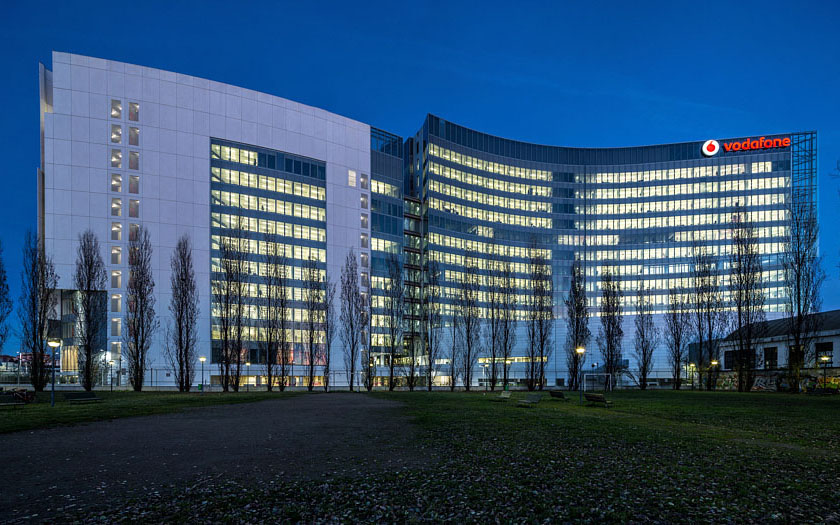
In today’s world, companies are under increasing pressure to reduce their environmental impact while also improving their social responsibility. Vodafone, a leading telecommunications company, has taken a significant step towards achieving these goals by creating the Vodafone Village in Milan. This cutting-edge building not only serves as the company’s new headquarters but also showcases innovative sustainable design and LEED certification.
A Sustainable Building on a Former Industrial Site
The Vodafone Village is situated on a previously industrial site that has been redeveloped, making it an ideal location for a sustainable building project. The site was transformed into a modern complex using green strategies that range from material selection to energy efficiency. This approach not only reduces the building’s carbon footprint but also creates a healthier environment for its occupants.
The transformation of the former industrial site into a sustainable headquarters was a collaborative effort between Vodafone and various stakeholders, including architects, engineers, and contractors. The project aimed to create a building that not only minimizes its environmental impact but also promotes a healthy and productive work environment for employees.
LEED Certification and Environmental Impact
The Vodafone Village has achieved LEED certification, which is a prestigious recognition of its commitment to environmental sustainability. The building’s Commercial Interior category demonstrates its dedication to reducing waste, conserving energy, and promoting indoor air quality. By using recycled and recyclable materials sourced locally, the building minimizes its environmental impact.
LEED certification was obtained after rigorous testing and evaluation by the United States Green Building Council (USGBC), which assesses a building’s sustainability performance based on various factors such as energy efficiency, water conservation, and waste reduction. The Vodafone Village’s achievement of LEED certification is a testament to the company’s commitment to sustainable design and its willingness to prioritize environmental awareness.
A Green Headquarters with Renewable Energy
The Vodafone Village is equipped with a photovoltaic garden of 800 square meters that produces over 87,000 kWh of clean energy annually. This renewable energy source not only reduces the building’s reliance on non-renewable energy but also helps to mitigate climate change.
The photovoltaic garden is integrated into the building’s design and serves as a living roof, providing insulation and reducing the need for air conditioning. The solar panels are arranged in a way that maximizes their exposure to sunlight, ensuring maximum energy production. The clean energy generated by the photovoltaic garden is then fed into the building’s power grid, reducing Vodafone’s carbon footprint and reliance on non-renewable energy sources.
Bike Parking and Electric Car Charging Stations
The complex also features bike parking facilities and electric car charging stations, making commuting to work even greener. These amenities encourage employees to use alternative modes of transportation, reducing their carbon footprint and promoting a healthier lifestyle.
The bike parking facilities are designed with security in mind, providing locked storage for employees’ bicycles. The electric car charging stations offer convenient access to renewable energy, encouraging employees to switch from gasoline-powered vehicles to electric cars.
Cement Photocatalytic Coating for Air Quality Improvement
The building’s facades are covered in cement photocatalytic coating capable of breaking down pollutants present in the air, both organic and inorganic. This innovative technology not only improves indoor air quality but also reduces the amount of particulate matter released into the atmosphere.
The cement photocatalytic coating is made from a mixture of cement, photocatalyst, and aggregate, which are applied to the building’s facades. The coating works by absorbing pollutants from the air and breaking them down into harmless compounds. This technology has been shown to be effective in reducing indoor air pollution and improving overall air quality.
Three Buildings with 14, 12, and 10 Floors
The Vodafone Village headquarters consists of three buildings, each with its unique design and functionality. The buildings are connected by a pedestrian-friendly area, promoting social interaction among employees and creating a sense of community.
Each building is designed to optimize natural light and ventilation, reducing the need for artificial lighting and heating/cooling systems. The buildings’ facades are also covered in green walls and roofs, providing insulation and improving air quality.
Investment and Construction Period
The Vodafone Village investment of over €300 million represents a four-year construction period that embodies two essential themes for Vodafone: social responsibility and environmental awareness. This significant investment demonstrates the company’s commitment to sustainability and its willingness to prioritize the well-being of both its employees and the environment.
The construction process was carried out by various contractors, including architects, engineers, and specialized laborers. The project team worked closely together to ensure that the building met Vodafone’s high standards for sustainability and quality.
Sustainability Features
The Vodafone Village features a range of innovative sustainability solutions, including:
- Rainwater harvesting: A system that collects and stores rainwater for non-potable uses such as flushing toilets and irrigating plants.
- Grey water reuse: A system that reuses grey water from sinks, showers, and washing machines to reduce water consumption.
- Waste reduction: A program that encourages employees to recycle and compost waste, reducing the building’s overall waste output.
Conclusion
The Vodafone Village in Milan is a shining example of sustainable design and LEED certification. By incorporating green strategies, renewable energy sources, and innovative technologies, this building not only reduces its environmental impact but also promotes a healthier lifestyle for its occupants. As companies continue to prioritize social responsibility and environmental awareness, the Vodafone Village serves as a model for sustainable development.
Case Study: The Vodafone Village
The Vodafone Village case study provides valuable insights into sustainable design and LEED certification. The project’s success demonstrates that it is possible to create high-performance buildings that minimize environmental impact while promoting a healthy and productive work environment.
The Vodafone Village has set a new standard for sustainable design in the corporate world, inspiring other companies to follow suit. By adopting innovative technologies and green strategies, businesses can reduce their environmental footprint and contribute to a more sustainable future.
Recommendations
Based on the Vodafone Village case study, we recommend that other companies adopt the following sustainable design principles:
- Incorporate renewable energy sources: Use solar panels, wind turbines, or geothermal systems to generate clean energy.
- Implement water conservation measures: Install low-flow fixtures and grey water reuse systems to reduce water consumption.
- Promote waste reduction: Encourage employees to recycle and compost waste, and implement recycling programs for paper, plastic, and glass.
- Design green spaces: Incorporate green roofs, walls, and gardens to improve air quality and promote biodiversity.
Future Directions
The Vodafone Village case study highlights the importance of sustainable design and LEED certification in creating high-performance buildings. As companies continue to prioritize social responsibility and environmental awareness, we can expect to see more innovative sustainability solutions being adopted in the future.
Some potential areas for improvement include:
- Increased use of building information modeling (BIM): BIM technology can help optimize building design and reduce energy consumption.
- Integration of smart technologies: Smart building systems can optimize energy efficiency, water conservation, and waste reduction.
- Enhanced public transportation options: Encourage employees to use alternative modes of transportation by providing convenient access to public transportation.
By adopting these innovations, we can create more sustainable buildings that minimize environmental impact while promoting a healthier lifestyle for occupants.


