
Introduction
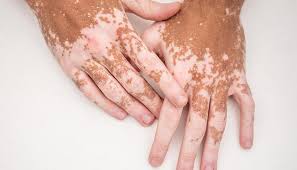
Vitiligo is a chronic skin disease characterized by white patches, or hypopigmentation, which are caused by the absence of melanin. It’s a condition that affects millions worldwide, but what causes it? Can it be treated effectively? In this article, we’ll delve into the world of vitiligo, exploring its causes, diagnosis, treatment options, and more.
What is Vitiligo?
Vitiligo is a non-congenital and non-contagious skin condition that affects an estimated 1% to 2% of the global population. It’s characterized by white patches or areas of depigmentation, which can appear on various parts of the body. The missing pigment is melanin, which gives skin its natural color.
Causes of Vitiligo
Despite extensive research, the exact cause of vitiligo remains unknown. However, several factors have been identified as possible triggers:
- Autoimmune response: In this scenario, the immune system mistakenly attacks and destroys melanocytes, the cells responsible for producing melanin.
- Genetic predisposition: Some people may be more prone to developing vitiligo due to genetic factors.
- Environmental toxins: Exposure to certain chemicals or substances can trigger an autoimmune response.
- Other medical conditions: Vitiligo has been linked to various other autoimmune diseases, such as celiac disease, rheumatoid arthritis, and diabetes.
Vitiligo: Diagnosis
Diagnosing vitiligo requires a comprehensive evaluation by a dermatologist. The doctor will perform a physical examination, review the patient’s medical history, and conduct tests to rule out other skin conditions that may resemble vitiligo.
Some common diagnostic tests include:
- Ultraviolet (UV) light therapy: This can help identify initial stages of the disease.
- Skin biopsies: A small sample of skin tissue is taken for examination under a microscope.
- Blood tests: To check for autoimmune disorders or other underlying conditions.
Vitiligo: Treatment Options
While there is no definitive cure for vitiligo, various treatment options are available to manage the condition:
- Topical corticosteroids: Creams or ointments containing steroids can help reduce inflammation and promote repigmentation.
- Phototherapy: Exposure to specific wavelengths of UV light can stimulate melanin production and help remove white patches.
- Immunosuppressive treatments: Medications such as glucocorticoids and calcineurin inhibitors can help suppress the immune system’s response.
- Depigmentation therapy: In some cases, depigmentation may be recommended to remove affected skin areas.
Alternative Therapies
In addition to conventional treatment options, alternative therapies have been shown to be effective in managing vitiligo:
- Acupuncture: This traditional Chinese medicine technique involves inserting thin needles into specific points on the body to stimulate healing and balance.
- Aromatherapy: Essential oils such as lavender and chamomile may help reduce stress and promote relaxation, which can improve skin health.
- Herbal remedies: Certain herbs like aloe vera and turmeric have anti-inflammatory properties that may help soothe and protect the skin.
Living with Vitiligo
Vitiligo can be a challenging condition to manage, but it’s not impossible. Many people live fulfilling lives despite their condition.
- Acceptance and self-empowerment: Embracing one’s unique appearance and finding ways to feel confident and empowered.
- Support networks: Connecting with others who understand the challenges of living with vitiligo can be incredibly helpful.
- Advocacy and education: Raising awareness about vitiligo and promoting understanding can help reduce stigma and improve quality of life.
Conclusion
Vitiligo is a complex condition that requires patience, understanding, and effective treatment. By exploring its causes, diagnosis, treatment options, and alternative therapies, individuals can better manage their condition and live fulfilling lives.


