
The Importance of Vitamins for Parrot Feathers
In the fascinating and diverse world of parrots, plumage plays a crucial role: not only in their visual identity but also in their overall health. The importance of vitamins for parrot feathers cannot be overstated; they contribute to maintaining a healthy and vibrant plumage, as well as ensuring a growth and development of their feathers that is both healthy and normal.
In this article, we will delve into the importance of various vitamins for parrot feathers, types of vitamins and their effects on feathers, sources of vitamins, and the use of vitamin supplements.
Vitamins A, B, D, E, and K: The Building Blocks of Healthy Plumage
These five vitamins work together to maintain healthy and vibrant plumage in parrots. Vitamin A is crucial for feather growth and development, while vitamin D3 helps regulate calcium levels in the body, essential for maintaining strong bones and feathers.
Vitamin E acts as an antioxidant, protecting feathers from damage caused by free radicals. Together, these five vitamins form the foundation of healthy plumage, ensuring that your parrot’s feathers are not only colorful but also robust and resistant to disease.
Types of Vitamins and Their Effects on Parrot Feathers
Each vitamin has a distinct role in maintaining healthy feathers:
- Vitamin A: Essential for feather growth and development.
- Vitamin D3: Regulates calcium levels, promoting strong bones and feathers.
- Vitamin E: Acts as an antioxidant, protecting feathers from damage.
Sources of Vitamins for Parrot Feathers
A balanced diet is the best way to provide your parrot with essential vitamins. Fresh fruits, vegetables, seeds, and legumes are all rich in vitamins A, B, D, E, and K.
Commercial foods formulated specifically for parrots can also be a convenient and nutritious option. These foods typically contain a mix of vitamins and minerals that support overall health and well-being.
Introducing New Foods into a Parrot’s Diet
Introducing new foods to your parrot’s diet should be done gradually. Start by offering small amounts of the new food alongside familiar items. This will allow your parrot to become accustomed to the taste and texture.
Offering new foods at peak hunger can encourage your parrot to try new things. However, always ensure that the food is safe for consumption and has been thoroughly cleaned and prepared.
Vitamin Supplements for Parrots
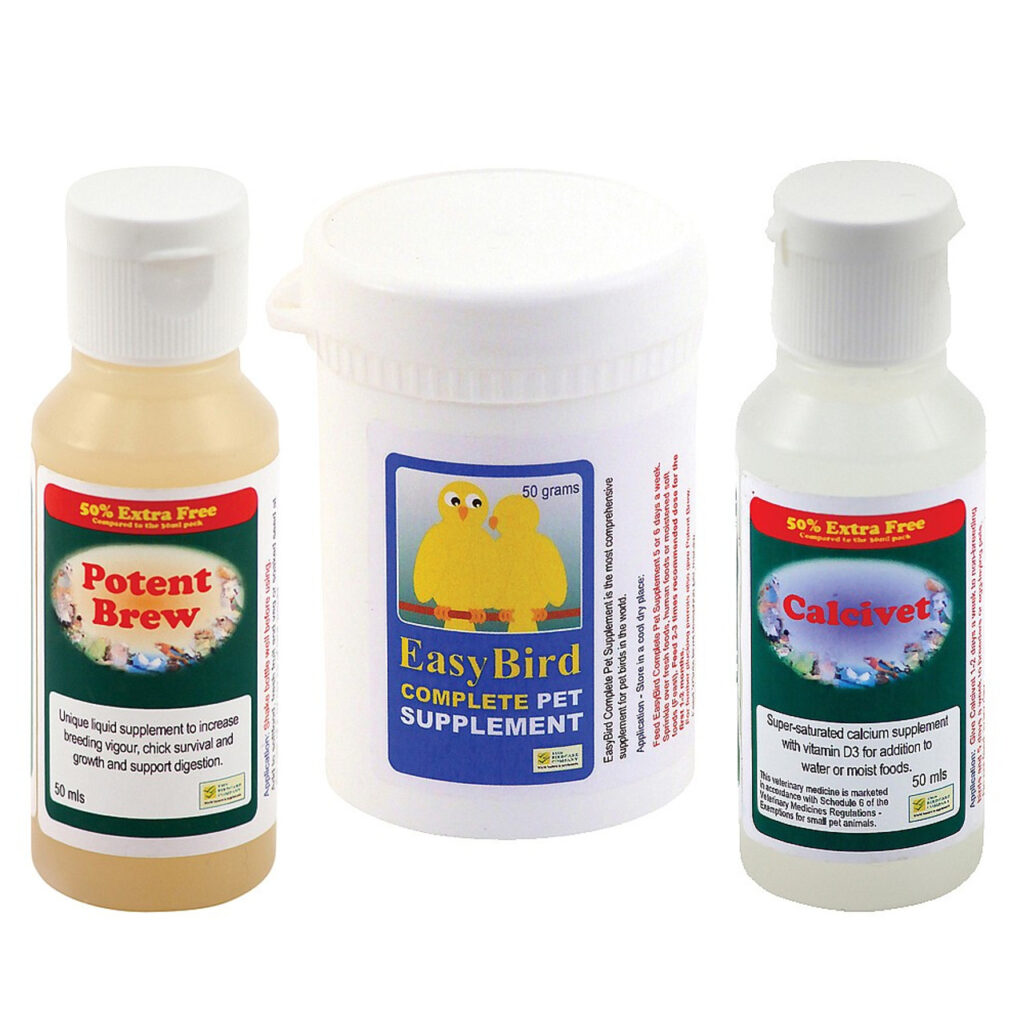
While a balanced diet provides essential vitamins, vitamin supplements may be necessary in certain situations. Consulting with a veterinarian before administering any supplements is crucial.
When selecting a vitamin supplement, consider the following:
- Risks vs. Benefits: Understand the potential risks and benefits associated with each supplement.
- Quality Matters: Choose a high-quality supplement that meets your parrot’s specific needs.
Precautions When Using Vitamin Supplements
Always follow these guidelines when using vitamin supplements for your parrot:
- Consult with a veterinarian to determine the best course of action.
- Follow the recommended dosage carefully.
- Monitor your parrot’s behavior and health closely.
- Discontinue use if you notice any adverse effects.
The Role of Vitamin A in Maintaining Healthy Feather Growth
Vitamin A plays a vital role in maintaining healthy feather growth and development. It is essential for the production of melanin, which gives feathers their color. Without adequate vitamin A, parrots may experience a range of problems including feather discoloration, thinning, and weakness.
Vitamin D3 and the Health of Parrot Skin
Vitamin D3 is crucial for maintaining healthy skin in parrots. It regulates calcium levels in the body, essential for strong bones and feathers. Vitamin D3 deficiency can lead to softening of the skin, making it more susceptible to disease.
Vitamin E: An Antioxidant for Healthy Feathers
Vitamin E acts as an antioxidant, protecting feathers from damage caused by free radicals. Free radicals are unstable molecules that can cause oxidative stress in the body. Vitamin E helps neutralize these free radicals, ensuring that feathers remain healthy and vibrant.
Common Signs of a Vitamin Deficiency in Parrots
A vitamin deficiency can lead to a range of problems in parrots. Some common signs include:
- Feather loss: A lack of vitamin A can cause feather thinning or loss.
- Discoloration: Insufficient vitamin E can lead to discoloration of feathers, making them appear dull and lifeless.
- Skin problems: Vitamin D3 deficiency can cause softening of the skin, making it more susceptible to disease.
Preventing Vitamin Deficiencies in Parrots
Preventing vitamin deficiencies is easier than treating them. By providing your parrot with a balanced diet rich in vitamins A, B, D, E, and K, you can help prevent problems such as feather loss, discoloration, and skin softening.
Here are some tips for preventing vitamin deficiencies:
- Offer a variety of foods: Provide your parrot with a range of fresh fruits, vegetables, seeds, and legumes to ensure they receive essential vitamins.
- Provide calcium-rich foods: Offer your parrot foods rich in calcium, such as dark leafy greens and calcium supplements, to support strong bone growth.
By understanding the importance of vitamins for parrot feathers, you can take steps to maintain their overall health and well-being. A balanced diet, supplemented with essential vitamins, is key to ensuring that your feathered friend stays healthy and happy.


