
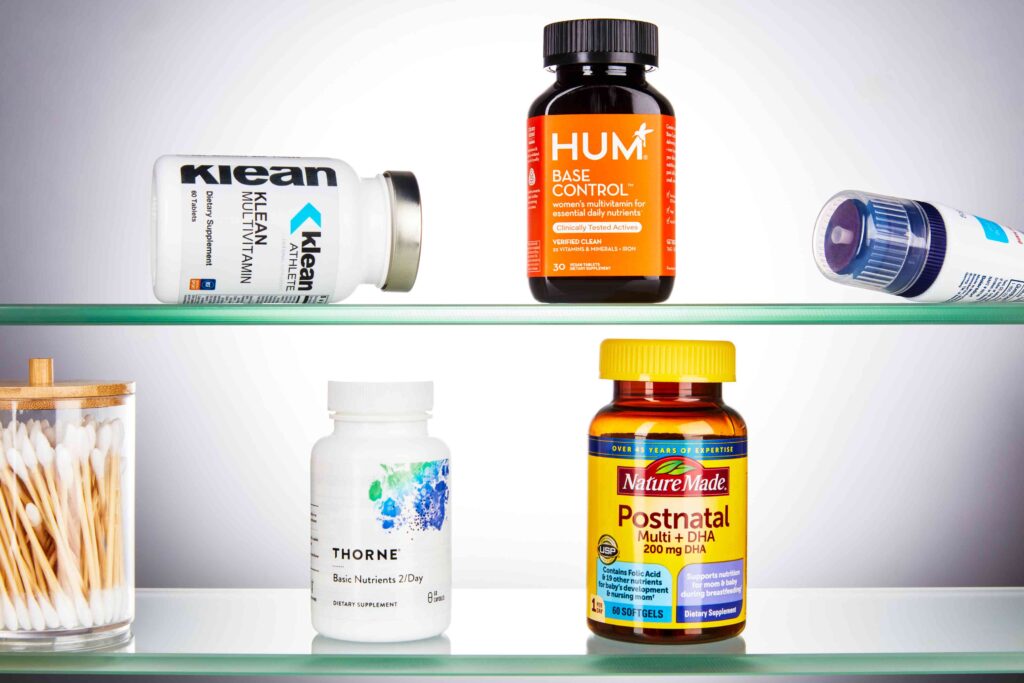
Understanding the Importance of Vitamins for Hair Growth
As we age, our bodies undergo various changes that can affect our hair growth. One way to promote healthy hair growth is by consuming specific vitamins and nutrients. While topical treatments can provide temporary benefits, addressing nutritional deficiencies from within can lead to more sustainable results.
In this article, we’ll explore the top 5 vitamins essential for hair growth, their benefits, and how to incorporate them into your diet. We’ll also delve into historical context, detailing how our ancestors used these vitamins to promote healthy hair.
The Connection Between Vitamins and Hair Growth
Hair growth is a complex process that involves multiple factors, including genetics, hormones, and nutrition. Just like every other part of the body, hair requires essential nutrients to grow strong and resilient.
When we’re deficient in certain vitamins, it can lead to hair loss, brittle hair, or slowed growth. By understanding which vitamins are crucial for hair growth, you can make informed decisions about your diet and supplements.
Vitamin A: The Foundation of Healthy Hair
Vitamin A is an essential nutrient that plays a critical role in maintaining healthy skin, eyes, and hair. This vitamin helps regulate the sebaceous glands, producing sebum that moisturizes the scalp and promotes hair growth.
A diet rich in vitamin A from sources like sweet potatoes, carrots, squash, spinach, and liver can help support hair health. However, be cautious not to overdo it on the vitamin A intake, as excessive amounts can lead to adverse effects on hair growth.
Vitamin A also plays a role in maintaining the health of the scalp’s sebaceous glands, which are responsible for producing sebum that helps to keep hair healthy and strong. When these glands become imbalanced, it can lead to conditions like dandruff, acne, and even hair loss.
In addition to its role in regulating the sebaceous glands, vitamin A also plays a crucial role in the development of hair follicles. It helps to regulate the growth cycle of hair cells, ensuring that new hair grows in healthy and strong.
Vitamin B: The Powerhouse of Hair Growth
The vitamin B complex is essential for energy production, nerve function, and, notably, hair growth. Biotin, a B-complex vitamin, has been shown to promote hair growth by strengthening hair follicles and increasing keratin production.
Incorporate biotin-rich foods like whole grains, nuts, lean proteins, fish, seafood, and leafy greens into your diet. If you’re vegetarian or vegan, consider consulting with a healthcare professional about supplementing with vitamin B12 or a multivitamin.
Vitamin B5 (pantothenic acid) also plays a crucial role in hair growth by helping to regulate the production of hormones that stimulate hair growth. It also helps to maintain the health of the skin and scalp, reducing the risk of conditions like acne and dandruff.
Vitamins C: Antioxidant Powerhouse
Vitamin C is a potent antioxidant that helps shield the body from oxidative stress caused by free radicals. This vitamin also plays a crucial role in collagen production, which supports hair growth and overall scalp health.
Fruits like strawberries, bell peppers, and citrus fruits are excellent sources of vitamin C. Include these foods in your diet to reap the benefits of this essential vitamin.
Vitamin C also helps to protect the body against environmental toxins, which can damage the hair follicles and lead to hair loss. It also has anti-inflammatory properties, reducing the risk of conditions like eczema and psoriasis that can affect the scalp and lead to hair loss.
Vitamin D: The Sunshine Vitamin
Vitamin D is often referred to as the “sunshine vitamin” because our skin produces it when exposed to sunlight. Low levels of vitamin D have been linked to hair loss and other health issues.
Boost your vitamin D intake by consuming fatty fish, liver, mushrooms, fortified dairy products, or taking a supplement after consulting with your healthcare provider.
Vitamin D also plays a crucial role in regulating the growth cycle of hair cells, ensuring that new hair grows in healthy and strong. It helps to maintain the balance of hormones that regulate hair growth, reducing the risk of conditions like alopecia areata and androgenetic alopecia.
Vitamin E: The Antioxidant Hero
Like vitamin C, vitamin E is an antioxidant that helps combat oxidative stress. This vitamin also promotes hair growth by nourishing the scalp and strengthening hair follicles.
Incorporate vitamin E-rich foods like sunflower seeds, almonds, spinach, and avocados into your diet to reap its benefits.
Vitamin E also has anti-inflammatory properties, reducing the risk of conditions like eczema and psoriasis that can affect the scalp and lead to hair loss. It helps to protect the body against environmental toxins, which can damage the hair follicles and lead to hair loss.
Contraindications and Interactions
While vitamins are essential for hair growth, there are some contraindications and interactions to be aware of:
- Vitamin A: High doses of vitamin A can interact with other medications like blood thinners, diabetes medications, and cholesterol-lowering drugs. Consult with your healthcare provider before taking high-dose vitamin A supplements.
- Vitamin B: Vitamin B12 deficiency can lead to hair loss, numbness in the hands and feet, and weakness. Consult with your healthcare provider if you’re experiencing these symptoms.
- Vitamin C: High doses of vitamin C can interact with blood thinners like warfarin. Consult with your healthcare provider before taking high-dose vitamin C supplements.
- Vitamin D: High doses of vitamin D can increase the risk of kidney stones and hypercalcemia (elevated calcium levels in the blood). Consult with your healthcare provider before taking high-dose vitamin D supplements.
- Vitamin E: High doses of vitamin E can interact with blood thinners like warfarin. Consult with your healthcare provider before taking high-dose vitamin E supplements.
Conclusion: A Comprehensive Approach to Hair Growth
Boosting hair growth requires a holistic approach that incorporates a balanced diet, regular exercise, and stress management. By understanding the role of vitamins in promoting healthy hair growth, you can make informed decisions about your diet and supplements.
Remember to consult with your healthcare professional before starting any new supplements or making significant changes to your diet.
Frequently Asked Questions
- Q: Which vitamin is most essential for hair growth?
A: Vitamin B (biotin) plays a critical role in promoting hair growth, but all five vitamins discussed are essential for maintaining healthy hair. - Q: How can I increase my vitamin A intake?
A: Consume foods rich in vitamin A like sweet potatoes, carrots, squash, spinach, and liver to support hair health. - Q: Can I get enough biotin from plant-based sources?
A: While it’s possible to find some biotin in plant-based foods, it’s essential to consult with a healthcare professional about supplementing with vitamin B12 or a multivitamin if necessary. - Q: What are the benefits of taking vitamin C supplements?
A: Vitamin C supplements can help support immune function and reduce oxidative stress, promoting overall health and well-being. - Q: How do I get enough vitamin D from sunlight?
A: Spend time outdoors, engage in activities that promote sun exposure, or consider consulting with your healthcare provider about supplementing with vitamin D if necessary. - Q: What are the best foods for vitamin E intake?
A: Incorporate vitamin E-rich foods like sunflower seeds, almonds, spinach, and avocados into your diet to support hair health. - Q: Can I take a multivitamin instead of individual supplements?
A: While multivitamins can provide essential nutrients, consult with your healthcare professional about which vitamins and supplements are best for your specific needs. - Q: How long does it take to see results from supplementing with vitamins?
A: Results may vary depending on the individual, but consistent supplementation and a balanced lifestyle can lead to noticeable improvements in hair growth over time.
Hair Growth Timeline
Here’s a rough timeline of what you can expect when working with vitamins for hair growth:
- 1-2 weeks: You may start to notice an improvement in your skin health, such as reduced acne or improved wound healing.
- 4-6 weeks: You may begin to notice changes in the texture and strength of your hair, including reduced breakage and shedding.
- 8-12 weeks: You may experience a significant increase in hair growth rate, with noticeable improvements in the length and thickness of your hair.
- 3-6 months: With consistent supplementation and a balanced lifestyle, you can expect to see long-term benefits, such as improved hair strength and reduced shedding.
Final Tips
- Be patient: Hair growth is a slow process, and it may take time to notice results from supplementing with vitamins.
- Consult with your healthcare professional: Before starting any new supplements or making significant changes to your diet, consult with your healthcare provider to ensure you’re getting the nutrients you need.
- Incorporate other hair growth strategies: Combine vitamin supplementation with other hair growth strategies, such as regular exercise, stress management, and a balanced diet, for optimal results.
By understanding the role of vitamins in promoting healthy hair growth, you can take control of your hair health and achieve the long-term benefits you desire.


