
As the sun sets on our health, a growing concern has emerged in recent years: vitamin D deficiency. This nutritional disorder can have far-reaching consequences for our well-being, from bone health to cardiovascular disease. In this article, we’ll delve into the causes of vitamin D deficiency, its effects on our bodies, and explore ways to address it.
Understanding Vitamin D Deficiency
Vitamin D is an essential nutrient that plays a crucial role in maintaining strong bones, immune function, and overall health. However, with increasing prevalence of indoor lifestyles, limited sun exposure, and poor diets, vitamin D deficiency has become a growing concern worldwide. The term “deficiency” refers to a condition where the body’s levels of vitamin D are below the optimal range.
Causes of Vitamin D Deficiency
So, what causes vitamin D deficiency? While inadequate sun exposure is a significant contributor, it’s not the only factor. Some other causes include:
- Poor diet: A lack of vitamin D-rich foods in your diet can lead to deficiency.
- Medical conditions: Certain health issues, such as kidney or liver disease, can impair vitamin D absorption.
- Medications: Some medications, including antivirals and immunosuppressants, can interfere with vitamin D metabolism.
- Skin color: Darker skin tones may be less efficient at producing vitamin D from sunlight.
- Age: Older adults are more susceptible to vitamin D deficiency due to decreased sun exposure and reduced production of the hormone.
Symptoms of Vitamin D Deficiency
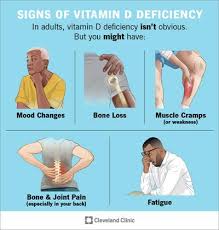
While some individuals may not experience noticeable symptoms, others may exhibit:
- Fatigue
- Muscle weakness
- Bone pain or osteoporosis
- Increased risk of infections
- Depression
Consequences of Vitamin D Deficiency
If left untreated, vitamin D deficiency can lead to severe consequences, including:
- Rickets and osteomalacia: In children and adults, respectively, these conditions can cause softening of the bones.
- Osteoporosis: Weakened bones increase the risk of fractures and osteoporotic compression fractures.
- Cardiovascular disease: Vitamin D deficiency has been linked to an increased risk of heart failure, high blood pressure, and stroke.
Foods Rich in Vitamin D
Fortunately, there are many foods that can help supplement your diet with vitamin D:
- Fish and seafood: Fatty fish like salmon, mackerel, and sardines, as well as shellfish like shrimp and oysters.
- Fortified dairy products: Milk, cheese, and yogurt often contain added vitamin D.
- Eggs: Some egg brands are fortified with vitamin D.
- Mushrooms: Certain types of mushrooms, such as shiitake and portobello, are exposed to UV light to boost their vitamin D content.
Supplements and Remedies
If you’re struggling to get enough vitamin D through your diet, consider the following supplements:
- Vitamin D3: This is the most common form of vitamin D supplementation.
- Omega-3 fatty acids: These healthy fats support heart health and may also boost vitamin D levels.
- K2: This vitamin plays a crucial role in bone health and can be found in some supplements.
Dietary Recommendations
To ensure adequate intake, consider the following dietary recommendations:
- Eat at least two servings of fatty fish per week.
- Incorporate fortified dairy products into your diet.
- Consume eggs regularly.
- Add mushrooms to your meals.
Sunlight and Vitamin D
While sunlight can be a natural source of vitamin D, it’s essential to practice sun safety:
- Limit sun exposure during peak hours (10 am-4 pm).
- Wear protective clothing and seek shade when possible.
- Use sunscreen with at least SPF 30.
Genetic Considerations
Some individuals may have genetic variations that affect their ability to produce vitamin D. For example, those with a deficiency in the vitamin D receptor gene may be more susceptible to deficiency.
Environmental Factors
Environmental factors, such as air pollution and UV radiation, can also impact vitamin D levels:
- Air pollution can reduce vitamin D production.
- UV radiation can increase skin cancer risk while still allowing for some vitamin D production.
Conclusion
Vitamin D deficiency is a growing concern worldwide, but with awareness and action, we can address this issue. By understanding the causes of deficiency, recognizing its symptoms, and incorporating vitamin D-rich foods into our diets, we can take control of our health. Whether you’re looking to boost your bone health or simply maintain overall wellness, vitamin D plays a crucial role in achieving these goals.
References
- National Institutes of Health (NIH). (2020). Vitamin D.
- Institute of Medicine (IOM). (2011). Dietary Reference Intakes for Calcium and Vitamin D.
- Journal of Clinical Endocrinology and Metabolism. (2019). Vitamin D Deficiency and Cardiovascular Disease.
Additional Resources
- Academy of Nutrition and Dietetics: Vitamin D
- National Kidney Foundation: Vitamin D and Kidney Health
- American Heart Association: Vitamin D and Heart Health


