
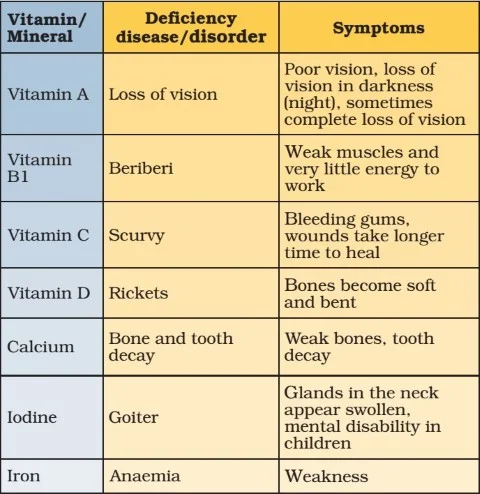
Vitamin A is a crucial nutrient that plays a vital role in maintaining good eye health and epithelial tissue function. This essential vitamin is converted from beta-carotene in the body and stored primarily in the liver, where 80-90% of it resides.
What is Vitamin Deficiency?
In this article, we’ll delve into the world of vitamin A deficiency, exploring its causes, symptoms, diagnosis, treatment options, and prevention strategies. Understanding the importance of vitamin A and addressing deficiencies can significantly improve overall health and well-being.
Causes of Vitamin A Deficiency
Vitamin A deficiency is often caused by prolonged dietary restriction or inadequate absorption from food sources. Additional factors contributing to secondary deficiency include:
- Reduced absorption
- Poor storage or transport
- Malabsorption conditions such as celiac disease, liver cirrhosis, pancreatic insufficiency, biliary tract problems, and bypass surgery
Who is Affected by Vitamin A Deficiency?
While anyone can be affected by vitamin A deficiency, the prevalence of this condition is particularly high in:
- Young children in Africa and Southeast Asia
- Adults with gastrointestinal disorders that impair nutrient absorption
- Those with malabsorption conditions such as celiac disease, liver cirrhosis, pancreatic insufficiency, biliary tract problems, and bypass surgery
Symptoms of Vitamin A Deficiency
Vitamin A deficiency can manifest in various ways, including:
- Night blindness (difficulty adjusting to dim light)
- Xerophthalmia (dryness and inflammation of the cornea)
- Bituminous macules
- Cheratinized skin growths on the conjunctiva
- Increased risk of infections
Diagnosing Vitamin A Deficiency
A healthcare professional will typically diagnose vitamin A deficiency through a combination of:
- Clinical evaluation (symptoms and medical history)
- Laboratory tests (blood work to measure vitamin A levels)
- Response to treatment
Treating Vitamin A Deficiency
Treatment for vitamin A deficiency involves oral supplementation, with the goal of replenishing depleted stores and improving symptoms.
- Infants: 200,000 UI per day
- Children over 6 months: 50,000 UI per day
- Adults: 4,500 UI per day
Preventing Vitamin A Deficiency
A balanced diet rich in:
- Leafy greens (spinach, kale)
- Orange and yellow fruits (carrots, sweet potatoes, cantaloupe)
- Dairy products or vitamin-enriched cereals
- Liver
- Egg yolks
can help prevent deficiency.
Prevention Strategies in Developing Countries
In areas with limited resources, the following measures can be implemented:
- Exclusive breastfeeding for at least six months
- Periodic high-dose vitamin A supplementation
- Encouraging families to cultivate fruits and vegetables for home consumption
By understanding the causes, symptoms, diagnosis, treatment options, and prevention strategies for vitamin A deficiency, individuals can take proactive steps towards maintaining optimal health.
The Role of Vitamin A in Eye Health
Vitamin A plays a crucial role in maintaining healthy vision. It helps:
- Regenerate rhodopsin (the light-sensitive pigment in the retina)
- Maintain corneal clarity and integrity
- Support the growth of new retinal cells
Without sufficient vitamin A, individuals may experience:
- Night blindness (difficulty adjusting to dim light)
- Reduced visual acuity
- Increased risk of age-related macular degeneration (AMD)
Preventing Vitamin A Deficiency in Children
Early detection and prevention of vitamin A deficiency are crucial for children. The following measures can be taken:
- Exclusive breastfeeding for at least six months
- Periodic high-dose vitamin A supplementation during the first year of life
- Promoting a balanced diet rich in fruits, vegetables, and dairy products
By addressing vitamin A deficiency early on, children can benefit from improved vision, immune function, and overall health.
The Connection Between Vitamin A and Immune Function
Vitamin A has immunomodulatory effects, meaning it influences the body’s immune response. It:
- Supports the development and maturation of immune cells
- Regulates inflammation and oxidative stress
- Enhances the function of natural killer cells
Adequate vitamin A intake is essential for maintaining a healthy immune system.
Preventing Vitamin A Deficiency in Adults
Adults can prevent vitamin A deficiency by:
- Eating a balanced diet rich in fruits, vegetables, dairy products, and liver
- Taking high-quality supplements when necessary
- Maintaining a healthy weight to reduce the risk of malabsorption
By addressing vitamin A deficiency in adults, individuals can benefit from improved immune function, vision health, and overall well-being.
Conclusion
Vitamin A is an essential nutrient that plays a vital role in maintaining good eye health, epithelial tissue function, and immune system balance. Understanding the causes, symptoms, diagnosis, treatment options, and prevention strategies for vitamin A deficiency can help individuals take proactive steps towards maintaining optimal health. By incorporating a balanced diet, practicing good hygiene, and seeking medical attention when necessary, individuals can prevent vitamin A deficiency and reap its numerous health benefits.
In conclusion, this article has provided an in-depth look at the importance of vitamin A, its role in maintaining eye health, immune function, and overall well-being. We hope that by understanding the causes, symptoms, diagnosis, treatment options, and prevention strategies for vitamin A deficiency, individuals can take proactive steps towards maintaining optimal health.
Additional Resources
For those looking to learn more about vitamin A deficiency, we recommend consulting reputable sources such as:
- The National Institutes of Health (NIH)
- The World Health Organization (WHO)
- The American Academy of Ophthalmology (AAO)
By seeking out credible information and resources, individuals can gain a deeper understanding of the importance of vitamin A and take steps towards maintaining optimal health.


