
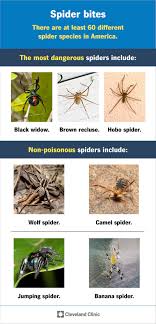
As the weather warms up, many people are becoming increasingly aware of a common household pest that can cause significant discomfort and even danger: the violin spider. Also known as the “eremite spider,” this nocturnal arachnid has made its home indoors, especially during the colder months.
Understanding the Violin Spider’s Behavior
While it may seem intimidating, the violin spider is actually a timid creature that tends to hide or flee when approached by humans. However, if threatened or stepped on, it will defend itself with a painful bite. The venom from this bite can cause a range of symptoms, including itching, redness, and swelling.
The Effects of the Violin Spider’s Bite
The violin spider’s bite is not typically severe, but it can still be uncomfortable and even lead to more serious complications if left untreated. In some cases, bacterial infections can occur, which may result in damage to skin, muscles, and organs such as the kidneys.
Recognizing the Violin Spider
So, how do you identify this pesky arachnid? Here are a few key characteristics:
- Appearance: The violin spider has a mottled brown and yellow coloration with thin, silky hairs that give it a velvety appearance.
- Size: Adult spiders typically measure between 7-10 millimeters in length.
- Behavior: These spiders tend to remain hidden during the day and venture out at night.
The Four Forms of Loxoscelism
The venom from the violin spider’s bite can cause a range of symptoms, which are classified into four distinct forms:
- Mild: This form involves only minor discomfort at the site of the bite.
- Moderate: Symptoms include redness, itching, and small lesions.
- Severe (Escarotica or Cutaneo-Necrotic): This form can cause significant damage to skin and underlying tissue, leading to ulcerations that may not heal properly.
- Systemic (Viscero-Cutaneous): This is a rare but potentially life-threatening form of the condition, which involves widespread symptoms such as fever, nausea, vomiting, and organ failure.
What to Do in Case of a Violin Spider Bite
If you suspect that you have been bitten by a violin spider:
- Wash the affected area: Use soap and water to clean the bite site thoroughly.
- Seek medical attention immediately: If you experience any signs of infection, such as redness, swelling, or increased pain.
- Capture the spider (if possible): This can help identify the species and inform treatment decisions.
Prevention is Key
To avoid encounters with violin spiders:
- Keep your home clean and tidy: Regularly vacuum and dust to reduce hiding spots for these arachnids.
- Seal entry points: Caulk cracks and crevices around windows, doors, and pipes to prevent spiders from entering your home.
- Use door sweeps or weatherstripping: These can help seal gaps under doors and prevent spiders from crawling inside.
Effective Treatment Options
If you do experience a violin spider bite, there are several treatment options available:
- Topical creams or ointments: Over-the-counter products such as hydrocortisone cream or lidocaine ointment can help reduce itching and inflammation.
- Antibiotics: If the bite becomes infected, your doctor may prescribe antibiotics to prevent further complications.
- Pain relief medication: Over-the-counter pain relievers such as acetaminophen or ibuprofen can help manage any discomfort.
Common Misconceptions About Violin Spider Bites
There are several common misconceptions about violin spider bites that it’s essential to address:
- Violin spider bites are not typically life-threatening: While severe cases of loxoscelism can occur, most people recover quickly from a violin spider bite without any long-term consequences.
- Violin spider bites are extremely rare: Violin spiders are not common in many parts of the world, and their bites are relatively infrequent.
- Violin spider bites are always painful: While some people may experience significant discomfort after a violin spider bite, others may only feel minor itching or redness.
Protecting Yourself from Violin Spider Bites
To minimize the risk of encountering a violin spider:
- Wear protective clothing: Wearing long sleeves and pants can help prevent accidental bites when working in areas where spiders are present.
- Use insect repellent: Certain insect repellents, such as DEET or picaridin, can help deter spiders from approaching you.
By understanding the behavior, effects, and identification of violin spider bites, you can take steps to protect yourself and your loved ones from this potential threat. Stay vigilant and stay safe!
Additional Tips for Dealing with Violin Spider Bites
Here are some additional tips that may be helpful in dealing with a violin spider bite:
- Apply ice: Applying an ice pack to the affected area can help reduce swelling and ease discomfort.
- Use cold compresses: Alternating between hot and cold compresses can help alleviate pain and itching.
- Try over-the-counter anti-itch creams or ointments: Products such as calamine lotion or hydrocortisone cream may provide relief from itching and inflammation.
Conclusion
Violin spider bites are a common issue in many parts of the world, but they don’t have to be a cause for concern. By understanding the behavior, effects, and identification of violin spider bites, you can take steps to protect yourself and your loved ones from this potential threat. Stay vigilant and stay safe!


