
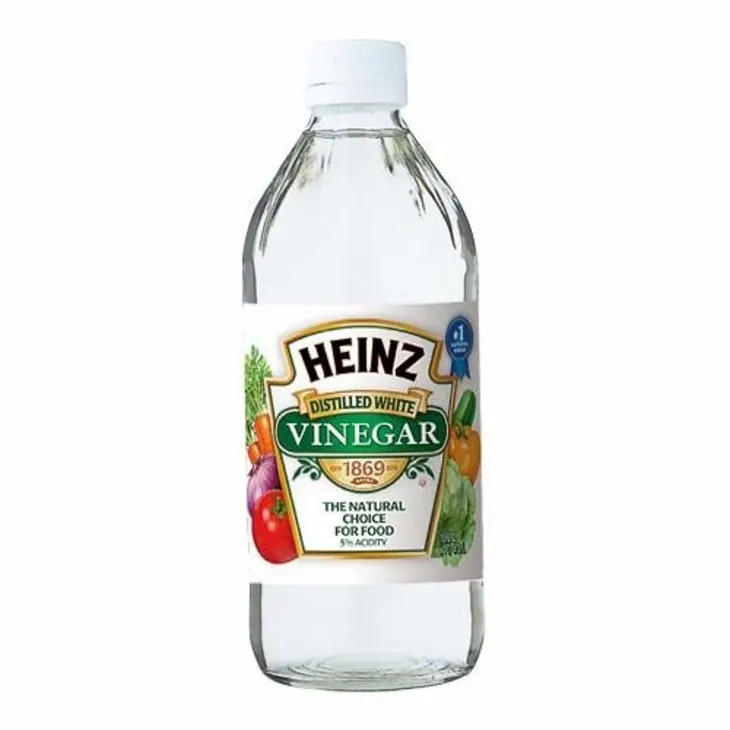
When it comes to choosing a cleaning product, many people opt for synthetic detergents that can have harsh effects on human health and the environment. However, there’s a natural alternative that’s been used for centuries: vinegar. In this article, we’ll explore how vinegar can be used to clean floors and tiles, and why it’s an excellent choice for those looking for a chemical-free cleaning method.
The Impact of Synthetic Detergents on Human Health and the Environment
Synthetic detergents have been widely used since the mid-20th century, but their impact on human health and the environment has been alarming. These chemicals can cause respiratory problems, skin irritations, and even contribute to climate change. Moreover, they often contain biocides that can contaminate soil and water.
The History of Vinegar as a Cleaning Agent
Vinegar has been used for centuries as a cleaning agent due to its natural antibacterial properties. The ancient Romans and Greeks used vinegar to clean their floors and surfaces, and it was also used by the Egyptians to clean their temples. In modern times, vinegar is still widely used as a natural alternative to synthetic detergents.
Why Vinegar is a Natural Alternative
Vinegar is a natural and non-toxic cleaning agent that’s been used for centuries. It’s a natural acid that’s capable of dissolving mineral deposits, killing bacteria, and removing stains from surfaces. When it comes to cleaning floors and tiles, vinegar is an excellent choice because it’s biodegradable, non-corrosive, and gentle on most surfaces.
The Science Behind Vinegar’s Cleaning Properties
Vinegar’s cleaning properties can be attributed to its acidity level, which is around 5%. This acidity level allows vinegar to dissolve mineral deposits and break down stains. Additionally, vinegar has antibacterial properties that can help kill germs and bacteria, making it an excellent natural disinfectant.
How to Clean Floors with Vinegar
Cleaning floors with vinegar is a simple process that requires minimal equipment. Here’s a step-by-step guide:
- Mix the solution: In a bucket, mix one cup of white vinegar with five liters of warm water.
- Apply the solution: Use a mop or a cleaning cloth to apply the solution to the floor.
- Let it sit: Allow the solution to sit on the floor for 10-15 minutes before mopping it up.
Tips for Cleaning Floors with Vinegar
Here are some tips to keep in mind when using vinegar to clean floors:
- Always test a small area of the floor first to ensure that vinegar won’t damage the surface.
- Use warm water instead of hot water, as hot water can damage certain types of flooring.
- Avoid using too much vinegar, as it can leave a residue on the floor.
- Consider adding a small amount of baking soda to the solution for extra cleaning power.
How to Clean Tiles with Vinegar
Cleaning tiles with vinegar is a simple process that requires minimal equipment. Here’s a step-by-step guide:
- Mix the solution: In a bucket, mix one cup of white vinegar with five liters of warm water.
- Apply the solution: Use a sponge or a cleaning cloth to apply the solution to the tile.
- Let it sit: Allow the solution to sit on the tile for 10-15 minutes before wiping it clean.
Tips for Cleaning Tiles with Vinegar
Here are some tips to keep in mind when using vinegar to clean tiles:
- Always test a small area of the tile first to ensure that vinegar won’t damage the surface.
- Use warm water instead of hot water, as hot water can damage certain types of tiles.
- Avoid using too much vinegar, as it can leave a residue on the tile.
- Consider adding a small amount of baking soda to the solution for extra cleaning power.
How to Clean Carpets with Vinegar
Cleaning carpets with vinegar is a simple process that requires minimal equipment. Here’s a step-by-step guide:
- Mix the solution: In a bucket, mix one cup of white vinegar with five liters of warm water.
- Apply the solution: Use a carpet cleaner or a cleaning cloth to apply the solution to the carpet.
- Let it sit: Allow the solution to sit on the carpet for 10-15 minutes before blotting it clean.
Tips for Cleaning Carpets with Vinegar
Here are some tips to keep in mind when using vinegar to clean carpets:
- Always test a small area of the carpet first to ensure that vinegar won’t damage the fabric.
- Use warm water instead of hot water, as hot water can damage certain types of carpet.
- Avoid using too much vinegar, as it can leave a residue on the carpet.
- Consider adding a small amount of baking soda to the solution for extra cleaning power.
The Benefits of Using Vinegar for Floor Cleaning and Tile Washing
Using vinegar for floor cleaning and tile washing has several benefits. Here are some of the advantages:
- Cost-effective: Vinegar is a cheap and natural alternative to synthetic detergents.
- Environmentally friendly: Vinegar is biodegradable, non-corrosive, and gentle on most surfaces.
- Natural disinfectant: Vinegar has antibacterial properties that can help kill germs and bacteria.
- Gentle on surfaces: Vinegar is a gentle cleaning agent that won’t damage most surfaces.
Conclusion
In conclusion, vinegar is an excellent natural alternative to synthetic detergents when it comes to floor cleaning and tile washing. It’s cost-effective, environmentally friendly, and provides several health benefits. So next time you’re thinking of using a chemical-based cleaner, consider reaching for the vinegar bottle instead.
FAQs
Q: Is vinegar safe for all surfaces?
A: Vinegar is generally safe for most surfaces, but it’s always best to test a small area first to ensure it won’t damage the surface.
Q: Can I use vinegar to clean my toilet?
A: Yes, vinegar can be used to clean your toilet. Mix equal parts water and vinegar in a spray bottle, and spritz the inside of the bowl and seat. Let it sit for 10-15 minutes before scrubbing and flushing.
Q: Is vinegar effective against grease stains?
A: Yes, vinegar is effective against grease stains. Apply white vinegar directly to the stain, let it sit for 10-15 minutes, then scrub with a gentle cleaning cloth.
Q: Can I use vinegar to clean my hardwood floors?
A: Yes, vinegar can be used to clean your hardwood floors. Mix equal parts water and vinegar in a bucket, and mop the floor gently with a soft mop or cleaning cloth.
Q: Is vinegar a natural antibacterial agent?
A: Yes, vinegar has antibacterial properties that can help kill germs and bacteria.
Q: Can I use vinegar to clean my carpets?
A: Yes, vinegar can be used to clean your carpets. Mix equal parts water and vinegar in a bucket, and apply the solution to the carpet with a cleaning cloth or sponge. Let it sit for 10-15 minutes before blotting it clean.
Q: Is vinegar safe for children and pets?
A: Vinegar is generally safe for children and pets when used in moderation. However, if your child or pet ingests vinegar, it can cause stomach upset. Always supervise them when using vinegar for cleaning.


