
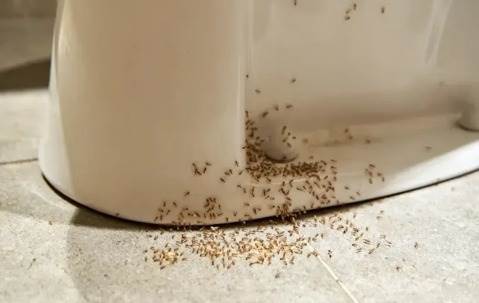
Are you tired of finding tiny house ants scurrying across your bathroom floor? These pesky insects can be a nuisance, especially when they’re attracted to the moisture and food sources in your bathroom. In this article, we’ll explore the characteristics of these ants, provide tips on how to eliminate them, and offer suggestions for preventing their infestation.
Understanding Tiny House Ants
Tiny house ants, also known as Ochetellus or common black ants, are a type of ant that’s commonly found in homes. They’re small, dark-colored ants that can grow up to three millimeters in length. These ants thrive in humid environments and are attracted to food sources, such as crumbs, spills, and dirty dishes.
Why Bother with Elimination?
While it may seem like a minor issue, eliminating tiny house ants from your bathroom is essential for several reasons:
- Health Risks: Tiny house ants can carry diseases like salmonella, streptococcus, and staffylococcus, which can be transmitted to humans through contact with contaminated food or water.
- Property Damage: These ants can damage property by chewing on wood, fabric, and other materials.
- Distress: Eliminating tiny house ants from your bathroom can help reduce stress and anxiety caused by their presence.
How to Eliminate Tiny House Ants
Eliminating tiny house ants requires a multi-step approach. Here’s a step-by-step guide:
- Identify the Source of the Problem: Before eliminating the ants, it’s essential to identify the source of the problem. Check for signs of moisture, food sources, and entry points.
- Cleanliness: Maintain a clean bathroom by regularly sweeping and mopping the floor, wiping down surfaces, and disposing of trash properly.
- Eliminate Standing Water: Fix any leaks or water damage to prevent standing water from accumulating in your bathroom.
- Seal Entry Points: Caulk cracks and crevices around windows, doors, and pipes to prevent ants from entering your bathroom.
Prevention is Key
While eliminating tiny house ants is crucial, prevention is also essential for maintaining a pest-free home. Here are some tips:
- Eliminate Food Sources: Keep your bathroom clean and free of food debris.
- Regularly Inspect Your Bathroom: Regularly inspect your bathroom for signs of ant activity and address any issues promptly.
- Seal Entry Points: Caulk cracks and crevices around windows, doors, and pipes to prevent ants from entering your home.
Common Types of Ants Found in Italy
While tiny house ants are commonly found in homes, there are other types of ants that can infest your bathroom. Here are some common types of ants found in Italy:
- Ochetellus (Formica delle case): Also known as common black ants, these ants are small and dark-colored.
- Tapinoma sessile (Formica odorosa): These ants are also small and dark-colored but have a distinctive orange-brown coloration.
- Tetramorium caespitum (Formica dei pavimenti): These ants are small and brown with a distinctive pattern of hairs on their bodies.
Identifying Entry Points
To prevent ants from entering your home, it’s essential to identify the entry points. Here are some common entry points for tiny house ants:
- Windows: Check for cracks or gaps around windows, especially if they’re old or damaged.
- Doors: Inspect doors and door frames for signs of ant activity, such as small holes or crevices.
- Pipes: Ants can enter through pipes, especially if there are cracks or gaps in the pipe connections.
- Electrical Outlets: Some ants can enter through electrical outlets, especially if they’re old or damaged.
Using Natural Deterrents
Natural deterrents can help repel tiny house ants from your bathroom. Here are some common natural deterrents:
- Cinnamon: Sprinkle cinnamon powder around entry points to repel ants.
- Vinegar: Mix equal parts water and vinegar in a spray bottle and spray it around entry points to repel ants.
- Essential Oils: Certain essential oils, such as peppermint, tea tree, and lavender, can repel ants. Mix a few drops of the oil with water in a spray bottle and spray it around entry points.
Conclusion
Eliminating tiny house ants from your bathroom requires a multi-step approach that includes identification, cleanliness, elimination of standing water, sealing entry points, and prevention. By following these tips, you can maintain a pest-free home and reduce the risk of health risks, property damage, and distress caused by ant infestations.
FAQs
Q: What are tiny house ants?
A: Tiny house ants, also known as Ochetellus or common black ants, are small, dark-colored ants that thrive in humid environments and are attracted to food sources.
Q: Can I eliminate tiny house ants on my own?
A: Yes, you can eliminate tiny house ants on your own by following the steps outlined in this article. However, if the infestation is severe or persistent, it may be best to consult a pest control professional.
Q: How can I prevent tiny house ants from returning?
A: To prevent tiny house ants from returning, maintain cleanliness, eliminate food sources, regularly inspect your bathroom, and seal entry points.
Q: What are some common types of ants found in Italy?
A: Some common types of ants found in Italy include Ochetellus (Formica delle case), Tapinoma sessile (Formica odorosa), and Tetramorium caespitum (Formica dei pavimenti).
Q: Can tiny house ants carry diseases?
A: Yes, tiny house ants can carry diseases like salmonella, streptococcus, and staffylococcus, which can be transmitted to humans through contact with contaminated food or water.
Q: How can I eliminate standing water in my bathroom?
A: To eliminate standing water in your bathroom, fix any leaks or water damage, clean the floor and surfaces regularly, and dispose of trash properly.


