
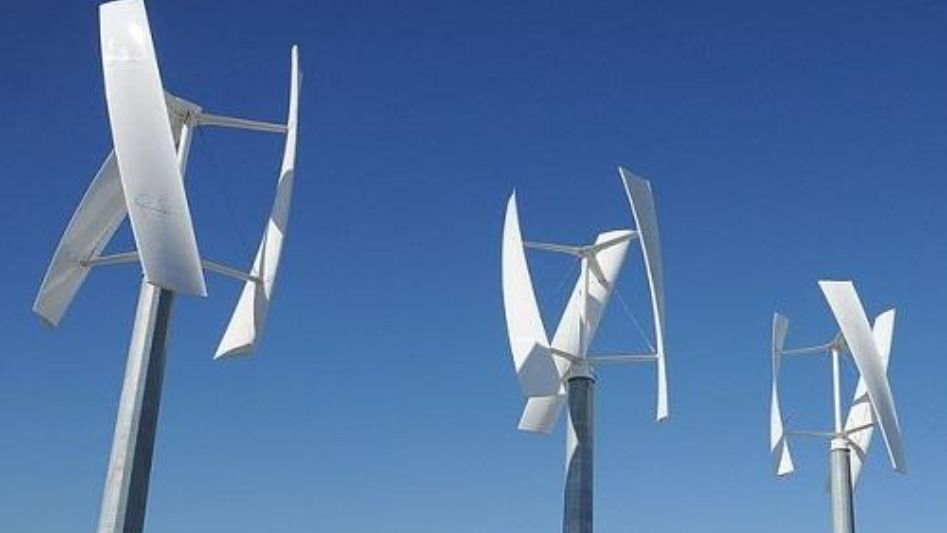
As we gaze upwards at wind turbines, our eyes catch the vertical axis of these energy converters. But what exactly does it mean to be a vertical wind turbine? Simply put, it’s the process of transforming the kinetic energy from wind into mechanical and then electrical energy.
The journey involves steps that dissipate energy, even up to 70%, primarily in the first phase. Maximizing aerodynamic efficiency is key here, which depends on the technologies developed and available. It’s a game of efficiency, where we also face the dilemma between vertical and horizontal turbines.
History of Vertical Wind Turbines
The concept of vertical wind turbines dates back to the 1920s, when they were first proposed as an alternative to traditional horizontal wind turbines. However, they remained largely experimental until recent years, when advancements in technology and design made them more efficient and cost-effective.
In the 1980s, researchers began exploring the potential of vertical-axis wind turbines (VAWTs) for urban areas, where space is limited and noise pollution is a concern. They found that VAWTs could generate electricity at lower wind speeds than traditional horizontal turbines, making them a viable option for smaller-scale energy production.
Types of Vertical Wind Turbines
There are several types of vertical wind turbines, each with its own advantages and disadvantages. Some of the most common types include:
- Darrieus Turbine: Also known as the “eggbeater” turbine, this design consists of a long, thin blade that rotates around a central hub.
- Sarcoma Turbine: This design features a series of radial blades that rotate around a central axis.
- Vertical Axis Wind Turbine (VAWT): VAWTs have a vertical axis and can be divided into two main categories: Darrieus turbines and Savonius turbines.
Benefits of Vertical Wind Turbines
While traditional horizontal wind turbines are often more efficient, vertical wind turbines have several advantages that make them an attractive option for certain applications:
- Noise Reduction: VAWTs generate less noise than traditional horizontal turbines, making them ideal for urban areas.
- Space Efficiency: VAWTs can be installed in smaller spaces, such as rooftop or backyards, where traditional horizontal turbines would not fit.
- Flexibility: VAWTs can be designed to operate at lower wind speeds, making them suitable for areas with variable wind patterns.
- Low Maintenance: VAWTs have fewer moving parts than traditional horizontal turbines, reducing maintenance costs and downtime.
Challenges of Vertical Wind Turbines
Despite their advantages, vertical wind turbines also face several challenges:
- Visual Impact: VAWTs can be visually unappealing to some people, particularly if they are installed in a prominent location.
- Intermittency: VAWTs generate electricity at lower wind speeds than traditional horizontal turbines, which can lead to intermittency issues.
- Cost: While the cost of vertical wind turbines is decreasing, they are still more expensive than traditional horizontal turbines.
Mini Vertical Wind Turbines
Mini vertical wind turbines are small-scale versions of traditional VAWTs. They are designed for domestic use or integration with small businesses’ electricity needs through individual generators connecting to the grid or storage systems.
Mini-vertical turbines are typically shorter than 30 meters in height, making them different from large vertical turbines because they can operate economically at lower wind speeds. One rule of thumb is that mini-vertical turbines should be positioned at least 10 meters higher than any tree or building within a 150-meter radius to avoid obstructions or reduce wind turbulence.
Micro Vertical Wind Turbines
Micro-vertical turbines are portable and suitable for temporary power needs such as camping sites, emergency power supply, outdoor lighting, and even powering small boats. However, due to their compact size, they face challenges with stability in densely populated areas, where they often struggle to generate significant electricity.
Although not ideal for large-scale energy production, micro-vertical turbines have their place when small amounts of power are needed. For instance, powering a single LED light or an eco-friendly refrigerator. Don’t dismiss them entirely, but also don’t overestimate their capabilities.
Vertical Wind Turbine Generators
Generators that convert kinetic energy into electrical energy have undergone studies and development since 1985, reaching capacities of up to 3 megawatts. Typical installed power is around 1.5 MW, with a minimum wind speed requirement of 3-4 meters per second.
Unlike horizontal turbines, vertical generators don’t rely on the direction of the wind, requiring a minimum of 3-5 m/s but shutting down at speeds above 20-25 m/s due to safety concerns, using brakes or preventing the blades from getting stuck in the wind.
One major issue with vertical turbines is their visual impact on landscapes. However, advancements in technology have made it possible to reduce rotational speed variability and make it more efficient for low-speed winds. Additionally, converters are used to ensure constant frequency before feeding power into the grid at 50 Hz in Europe.
Domestic Vertical Wind Turbines
The installation of domestic vertical wind turbines is closely tied to how homes are designed and built. Nonetheless, turbines are available and priced relatively affordably, making them accessible for homeowners who can take advantage of local incentives and benefits.
It’s essential to stay informed about government initiatives and regulations regarding renewable energy in your area, as they influence the feasibility of domestic vertical wind turbine installations. The suitability also depends on where you live and the local wind conditions.
Conclusion
In conclusion, vertical wind turbines are an exciting new development in the field of renewable energy. While they face several challenges, their advantages make them a viable option for certain applications. Whether it’s domestic use or large-scale energy production, vertical wind turbines have the potential to play a significant role in reducing our reliance on fossil fuels and mitigating climate change.
As technology continues to evolve, we can expect to see even more innovative designs and improvements in efficiency and cost-effectiveness. For now, it’s essential to educate ourselves about the benefits and challenges of vertical wind turbines and consider their potential for our own energy needs.
References
- National Renewable Energy Laboratory (NREL): “Vertical Axis Wind Turbines”
- European Commission: “Wind Energy in Europe”
- International Energy Agency (IEA): “Wind Power: A Key Driver of Global Electrification”
- American Wind Energy Association (AWEA): “Vertical Axis Wind Turbines”
Additional Resources
- Twitter: Follow us for the latest updates on renewable energy and vertical wind turbines.
- Facebook: Like our page to stay informed about the latest developments in the field of renewable energy.
- Google+: Join our community to discuss the benefits and challenges of vertical wind turbines with other experts and enthusiasts.
- Pinterest: Follow us for infographics, images, and videos showcasing the potential of vertical wind turbines.
What is Mini eolico?
Mini eolicos are small-scale versions of traditional horizontal wind turbines. They are designed for domestic use or integration with small businesses’ electricity needs through individual generators connecting to the grid or storage systems.
Solare Termodinamico STEM
Solar termodinamiche are heat exchangers that harness the energy from sunlight and convert it into usable electricity. This technology has been used in conjunction with vertical wind turbines to increase efficiency and reduce costs.
Accordi sul Clima di Parigi
The Paris Climate Agreement aims to limit global warming to well below 2°C and pursue efforts to limit it to 1.5°C above pre-industrial levels. The agreement sets a framework for countries to work together to reduce greenhouse gas emissions and transition to renewable energy sources.
Biometano da Biogas
Biometano is a type of biofuel produced from organic matter such as agricultural waste or sewage sludge. It can be used as a substitute for fossil fuels in vehicles, heating systems, and power generation.


