
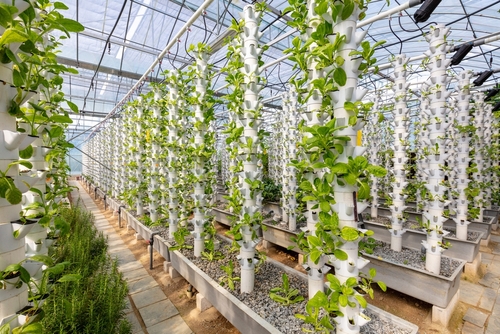
As the world grapples with the challenges of climate change, food security, and sustainable agriculture, a revolutionary approach to farming is gaining attention worldwide. Vertical farming, also known as indoor agriculture or controlled environment agriculture (CEA), involves growing crops in vertically stacked layers, often in an indoor setting. While it’s still a relatively new concept, vertical farming has the potential to transform the way we produce and consume food.
Why Vertical Farming Matters
In small-scale settings, such as urban homes or backyard gardens, vertical farming can be a game-changer for those looking to reduce their grocery bills while producing fresh, healthy food. With limited space constraints, vertical farming allows individuals to grow a variety of crops, including leafy greens, herbs, and even fruits.
In addition to its benefits for individual consumers, vertical farming also offers several advantages for large-scale agriculture. By growing crops in vertically stacked layers, farmers can increase yields while minimizing land use. This approach also reduces the need for transportation, storage, and packaging, making it a more efficient way to produce food.
Recycling Materials: A Key to Vertical Farming
One of the most exciting aspects of vertical farming is its emphasis on recycling materials. By repurposing pallets, plastic bottles, and other everyday items, individuals can create their own vertical farm without breaking the bank or harming the environment. This approach not only reduces waste but also promotes sustainability.
For example, an old pallet can be used as a base for a vertical farm, providing a sturdy foundation for growing plants. Plastic bottles can be cleaned and transformed into mini-greenhouses or planters, reducing the need for single-use plastics. Even fabric scraps can be repurposed as grow bags or trellises.
Choosing the Right Materials
When selecting materials for your vertical farm, consider the following:
- Pallets: A popular choice for vertical farming, pallets provide a sturdy base for growing plants.
- Bottles and containers: Clean and dry plastic bottles or other containers can be used to create mini-greenhouses or planters.
- Flasks and vases: These can be repurposed as planters or used to create a trellis system.
- Fabric scraps: Consider using fabric scraps as grow bags or trellises.
- Wooden frames: Wooden frames can be used to create a sturdy base for your vertical farm.
Setting Up Your Vertical Farm
To get started, you’ll need the following:
- A sturdy base (such as a pallet or wooden frame)
- A watering system
- Soil and fertilizers
- Plants of your choice
- A trellis or support system
Tips for a Successful Vertical Farm
- Lighting: Ensure adequate lighting for your plants, whether natural or artificial.
- Temperature control: Maintain optimal temperatures for each type of plant.
- Watering: Use a drip irrigation system to conserve water and reduce evaporation.
- Pest management: Implement integrated pest management techniques to minimize chemical use.
Common Challenges in Vertical Farming
- Space constraints: Balancing crop density and growth rates can be tricky.
- Light limitations: Insufficient light can impact plant growth and productivity.
- Temperature fluctuations: Maintaining optimal temperatures can be a challenge, especially in areas with extreme weather conditions.
Conclusion
Vertical farming offers a promising solution for urban agriculture, providing fresh produce while minimizing environmental impact. By repurposing materials, optimizing growing conditions, and addressing common challenges, individuals can successfully cultivate their own vertical farm, no matter the size of their space.
As the demand for sustainable food production continues to grow, vertical farming is likely to play an increasingly important role in meeting this demand. By embracing this innovative approach to agriculture, we can create a more efficient, sustainable, and equitable food system for generations to come.
Frequently Asked Questions (FAQs)
- What are the benefits of vertical farming?
- Increased crop yields
- Reduced water consumption
- Improved air quality
- How do I choose the right plants for my vertical farm?
- Research plant requirements and growth rates.
- Select a variety of crops to ensure year-round production.
- What are some common mistakes in vertical farming?
- Insufficient light or temperature control
- Poor watering techniques
- Inadequate pest management
- Can I grow fruits and vegetables in a vertical farm?
- Yes, many types of fruits and vegetables can be grown vertically.
- Research specific growing requirements for each crop.
- How much space do I need to start a vertical farm?
- The amount of space required will depend on the size of your operation.
- Consider using wall-mounted systems or compact planters.
- What are some common issues in vertical farming?
- Pests and diseases
- Nutrient deficiencies
- Water damage or leaks
- Can I use hydroponics in a vertical farm?
- Yes, hydroponics can be used in conjunction with vertical farming.
- Research specific hydroponic systems and growing requirements.
- How long does it take to set up a vertical farm?
- Setup time will vary depending on the size of your operation and materials needed.
- Consider starting small and expanding as needed.
Innovative Vertical Farming Systems
Several innovative vertical farming systems are being developed to address common challenges in traditional farming. Some examples include:
- Aeroponics: A system that uses misted nutrients to feed plants, reducing water consumption and increasing yields.
- Hydroponics: A method of growing plants in a nutrient-rich solution rather than soil.
- LED lighting: Energy-efficient lighting systems that provide optimal light spectra for plant growth.
- Climate control: Advanced temperature and humidity controls that optimize growing conditions.
Conclusion
Vertical farming offers a promising solution for urban agriculture, providing fresh produce while minimizing environmental impact. By embracing this innovative approach to agriculture, we can create a more efficient, sustainable, and equitable food system for generations to come.


