
Are you considering purchasing a wind turbine at vertical axis? With the numerous models available in the market, it can be overwhelming to make an informed decision. In this article, we will delve into the world of wind turbines and explore what you need to know before making a purchase.
Understanding Wind Turbines
Wind turbines are designed to harness the energy generated by wind and convert it into electricity that can be fed into the grid or used in your home. However, not all wind turbines are created equal. The type of turbine you choose will depend on various factors such as location, climate, and personal preferences.
Types of Wind Turbines
There are two main types of wind turbines: horizontal axis and vertical axis. Horizontal axis turbines are the most common type and are suitable for most residential areas. Vertical axis turbines, on the other hand, are better suited for locations with high wind speeds or in urban areas where space is limited.
Horizontal Axis Wind Turbines
Horizontal axis wind turbines are the most widely used type of turbine due to their reliability and efficiency. They consist of a horizontal axis that rotates when wind passes through the blades, generating electricity. The main components of a horizontal axis turbine include:
- Blades: Long, curved blades that capture the kinetic energy of the wind.
- Hub: The central part of the turbine where the blades are attached.
- Tower: Supports the hub and extends it to its full height.
- Generator: Converts the mechanical energy generated by the turbine into electrical energy.
Vertical Axis Wind Turbines
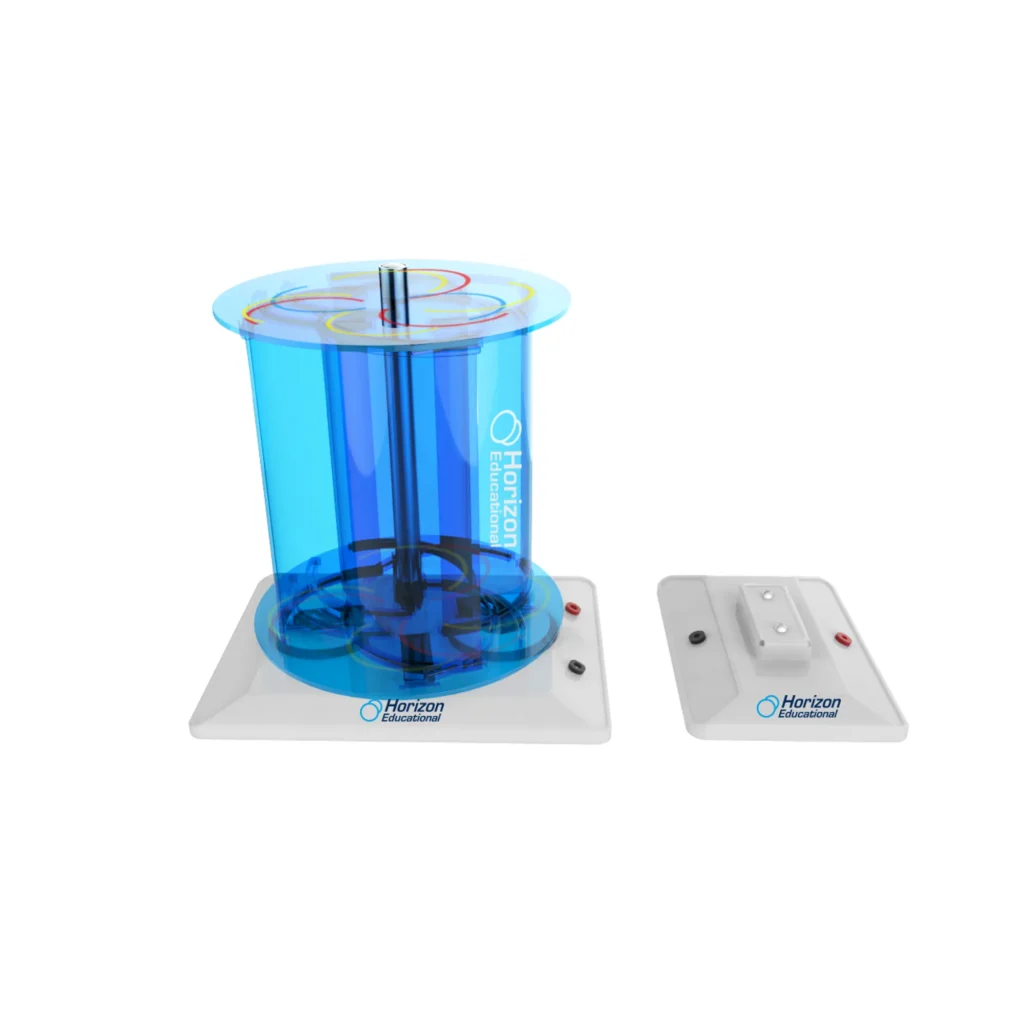
Vertical axis wind turbines, on the other hand, use a vertical axis that rotates when wind passes through the blades. They are generally quieter and more reliable than horizontal axis turbines but tend to be more expensive. The main components of a vertical axis turbine include:
- Rotor: The central part of the turbine where the blades are attached.
- Generator: Converts the mechanical energy generated by the turbine into electrical energy.
- Regulator of charge for eolico: Regulates the flow of electricity between the generator and the battery bank.
- Battery bank: Stores excess energy generated during periods of high wind speed, allowing you to use it when the wind is low.
Kit eolico ad asse verticale: A Comprehensive Guide
A kit eolico ad asse verticale (vertical axis wind turbine) typically consists of several components, including:
- Generator: Converts the mechanical energy generated by the wind into electrical energy.
- Regulator of charge for eolico: Regulates the flow of electricity between the generator and the battery bank.
- Battery bank: Stores excess energy generated during periods of high wind speed, allowing you to use it when the wind is low.
Factors to Consider When Purchasing a Wind Turbine
Before making a purchase, consider the following factors:
- Location: Ensure that your location receives sufficient wind speeds to justify the installation of a wind turbine.
- Noise pollution: Vertical axis turbines are generally quieter than horizontal axis turbines due to their design.
- Maintenance: Consider the maintenance requirements and costs associated with your chosen turbine model.
Costs Associated with Wind Turbines
The cost of a wind turbine can vary significantly depending on several factors, including the type of turbine, location, and installation costs. On average, a horizontal axis wind turbine can cost anywhere from $10,000 to $50,000 or more, while vertical axis turbines tend to be more expensive due to their unique design.
Key Components of a Wind Turbine
A wind turbine typically includes several key components:
- Cables and wires: Connect the generator to the grid or your home’s electrical system.
- Pole anchor: Secures the pole in place, ensuring stability and safety.
- Tirant: Supports the turbine blade and maintains its structural integrity.
Best Practices for Installing a Wind Turbine
To ensure optimal performance from your wind turbine:
- Install at least 5 meters above ground level: This distance minimizes the risk of interference with neighboring properties or obstacles.
- Consult local regulations and guidelines: Familiarize yourself with local laws and regulations regarding wind turbine installations.
Conclusion: Is a Wind Turbine Right for You?
Wind turbines offer an exciting opportunity to generate clean, renewable energy for your home. By understanding the ins and outs of vertical axis wind turbines and considering factors such as location, maintenance requirements, and costs, you can make an informed decision about whether this type of turbine is right for you.
Frequently Asked Questions (FAQs)
Q1: What are the benefits of using a vertical axis wind turbine?
A1: Vertical axis wind turbines offer several advantages over traditional horizontal axis turbines, including quieter operation and improved reliability due to their unique design. However, they tend to be more expensive and may not perform as well in low-wind conditions.
Q2: How do I determine if my location is suitable for a wind turbine?
A2: To determine if your location is suitable for a wind turbine, consider factors such as wind speed, direction, and turbulence. Consult local weather data or consult with a professional to assess the feasibility of your site.
Q3: What are the costs associated with maintaining a wind turbine?
A3: Maintenance costs for wind turbines can vary depending on the type of turbine and location. Regular cleaning, inspections, and replacement of worn parts can help minimize maintenance costs.
Q4: Can I use my wind turbine to charge my home’s batteries during periods of high energy demand?
A4: Yes, a wind turbine can be used to charge your home’s batteries during periods of high energy demand or when the grid is not available. This feature allows you to take advantage of excess energy generated by the turbine and store it for later use.
Q5: Are there any local regulations or guidelines I should be aware of before installing a wind turbine?
A5: Yes, familiarize yourself with local laws and regulations regarding wind turbine installations in your area. Consult with your local government or a professional to ensure compliance with all relevant regulations.
Conclusion
In conclusion, vertical axis wind turbines offer an exciting opportunity to generate clean, renewable energy for your home. By understanding the ins and outs of this type of turbine and considering factors such as location, maintenance requirements, and costs, you can make an informed decision about whether a wind turbine is right for you.
Final Thoughts
As technology continues to evolve, so too will the capabilities and design of vertical axis wind turbines. By staying up-to-date with the latest advancements in wind energy technology, you can ensure that your investment in a wind turbine remains relevant and effective for years to come.
By following the guidelines outlined in this article, you’ll be well-equipped to make an informed decision about whether a vertical axis wind turbine is right for you. Whether you’re looking to generate clean energy or simply reduce your carbon footprint, there’s never been a better time to consider investing in a wind turbine.


