
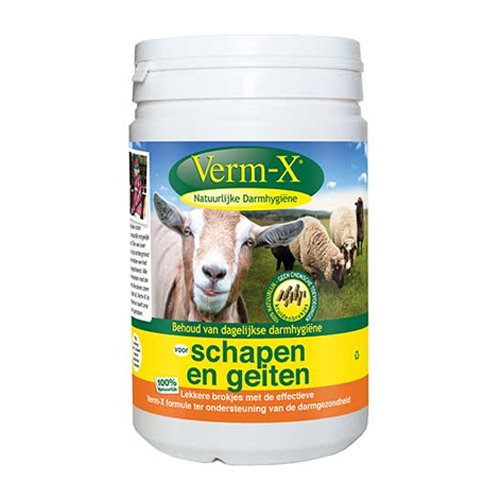
As a responsible sheep farmer or consumer of animal products, it’s essential to understand the risks of parasite infestations in your flock. Parasites can cause significant weight loss, reduced fertility, and even death in affected animals. In this article, we’ll delve into the world of parasite control for sheep, exploring the importance of parasite control measures, identifying parasite infestations, and discussing effective treatments like Ivomec.
2. The Importance of Parasite Control
Parasites are a common problem in sheep farming, with various species affecting different types of livestock. Some parasites can cause significant economic losses, while others may pose health risks to humans consuming meat and dairy products from infected animals. Regular parasite control measures can help prevent infestations and reduce the risk of disease transmission.
There are several reasons why parasite control is crucial for sheep farmers:
- Economic losses: Parasite infestations can result in significant weight loss, reduced fertility, and increased mortality rates, leading to economic losses for farmers.
- Health risks: Infected animals may pose health risks to humans consuming meat and dairy products from these animals, particularly for individuals with weakened immune systems.
- Disease transmission: Parasites can transmit diseases between animals, such as anthelmintic resistance, which can further exacerbate parasite infestations.
3. Identifying Parasite Infestations
If you notice a sudden and significant weight loss in some sheep on your farm, it’s essential to investigate the cause. Blood exams may not reveal any obvious signs of parasites, but this doesn’t necessarily mean there’s no problem. In fact, many parasite infestations can be difficult to detect without proper testing.
Some common signs of parasite infestations include:
- Weight loss: Sudden and significant weight loss in affected animals.
- Diarrhea or constipation: Changes in bowel movements can indicate parasite infestations.
- Loss of appetite: Affected animals may lose interest in food due to gastrointestinal discomfort.
- Lethargy: Infected animals may become lethargic or withdrawn.
If you suspect a parasite infestation, it’s essential to consult with a veterinarian for proper diagnosis and treatment.
4. Ivomec: A Popular Parasiticide for Sheep
One commonly used parasiticide for sheep is Ivomec, which has been shown to resolve problems with gastrointestinal nematodes and other parasites. This product can be administered via injection, and its effectiveness has been demonstrated in various studies.
Ivomec is a broad-spectrum parasiticide that targets both internal and external parasites, including:
- Gastrointestinal nematodes
- Lung worms
- External parasites (such as lice and ticks)
- Mites
- Acari
5. Using Ivomec for Ewes and Goats
Ivomec can be used to treat both ewes (female sheep) and goats, making it an excellent option for farmers with mixed flocks. However, dosing guidelines vary depending on the size of the animal, so it’s crucial to follow recommended dosages carefully.
For ewes:
- The typical dosage is 1 ml per 50 kg of body weight.
- Administer Ivomec via injection, ideally into the neck or between the scapulae.
For goats:
- The typical dosage is 1 ml per 50 kg of body weight.
- Administer Ivomec via injection, ideally into the neck or between the scapulae.
6. Dosing Ivomec for Goats
For goats, it’s essential to follow recommended dosages carefully to ensure efficacy and minimize side effects. The typical dosage is 1 ml per 50 kg of body weight, administered via subcutaneous injection.
It’s also crucial to consider the timing of treatment when using Ivomec for goats. Avoid administering this product during periods when cows are dry, pregnant, or reproducing, as residues of the drug may accumulate in milk and other dairy products.
7. Parasite Control for Cattle
Ivomec also works well for cattle, but dosages are adjusted according to their body weight. The recommended dosage is around 200 mcg of ivermectin per kilogram of body weight, administered via subcutaneous injection.
When treating cattle with Ivomec, it’s essential to consider the timing of treatment. Avoid administering this product during periods when cows are dry, pregnant, or reproducing, as residues of the drug may accumulate in milk and other dairy products.
8. Timing and Considerations for Cattle Treatment
When treating cattle with Ivomec, consider the following factors:
- Dry cow period: Avoid administering Ivomec to dry cows, as residues may accumulate in milk.
- Pregnancy: Do not administer Ivomec to pregnant or lactating cows, as residues may affect fetal development or milk quality.
- Reproduction: Avoid administering Ivomec during periods of reproduction, such as breeding season.
9. Storage and Handling of Vermifugo
Vermifugo, a medication that inhibits parasite life cycles and facilitates expulsion, is widely used for parasitic control. This product should be stored in a cool, dry place and kept out of reach of children.
A 50ml bottle typically lasts for 11 months from the date of opening. It’s essential to follow recommended storage guidelines to maintain its potency.
10. What Does Vermifugo Mean?
The term “vermifugo” comes from the Latin words “verme” (worm) and “-fugo” (inhibitor). This medication works by inhibiting parasite life cycles, making it easier to eliminate them from the body.
Vermifugo is a broad-spectrum parasiticide that targets both internal and external parasites. It’s commonly used in combination with other medications to treat a range of parasite species.
11. Understanding Antielmintics
Antielmntics are a category of medications used to eliminate various types of worms or parasites that can infest organisms, causing elminthiasis. Vermifugos like Ivomec fall under this category and are effective against a range of parasite species.
Some common antielemntics include:
- Ivermectin
- Albendazole
- Fenbendazole
12. Conclusion
Parasite control is an essential aspect of sheep farming, requiring careful consideration of treatment options and dosing guidelines. By understanding the importance of parasite control measures and using effective treatments like Ivomec, you can help maintain the health and productivity of your flock.
Remember to consult with a veterinarian for proper diagnosis and treatment if you suspect a parasite infestation. Regular parasite control measures can help prevent infestations and reduce the risk of disease transmission.
13. Frequently Asked Questions
Q: What types of parasites does Ivomec treat?
A: Ivomec is effective against various types of gastrointestinal nematodes, lung worms, external parasites, mites, and acari of cattle.
Q: How often should I use Ivomec for parasite control?
A: The frequency of treatment depends on the specific parasite species and your flock’s health status. Consult a veterinarian for personalized advice.
Q: Can I use Ivomec during pregnancy or lactation?
A: No, it’s best not to use Ivomec during these periods due to potential residues in milk and dairy products.
Q: How long does a 50ml bottle of Vermifugo typically last?
A: A 50ml bottle can last for 11 months from the date of opening.
Q: What is vermifugo, and how does it work?
A: Vermifugo is a medication that inhibits parasite life cycles, facilitating their expulsion from the body. It works by targeting specific stages of parasite development.
Q: Can I buy Vermifugo online or through retailers?
A: Yes, various websites sell Vermifugo products, but ensure you purchase from reputable sources and follow recommended dosages carefully.
Q: How do I store Vermifugo to maintain its potency?
A: Store Vermifugo in a cool, dry place and keep it out of reach of children.
Q: What are the potential side effects of using Ivomec or Vermifugo?
A: As with any medication, there may be mild side effects associated with IvmeC or Vermifugo use. Monitor your animals closely for signs of distress, and consult a veterinarian if necessary.
14. Final Thoughts
Parasite control is an essential aspect of sheep farming, requiring careful consideration of treatment options and dosing guidelines. By understanding the importance of parasite control measures and using effective treatments like Ivomec, you can help maintain the health and productivity of your flock.
Remember to consult with a veterinarian for proper diagnosis and treatment if you suspect a parasite infestation. Regular parasite control measures can help prevent infestations and reduce the risk of disease transmission.
Stay informed about the latest developments in parasitic control and sheep farming practices to ensure the best possible outcomes for your livestock.


