
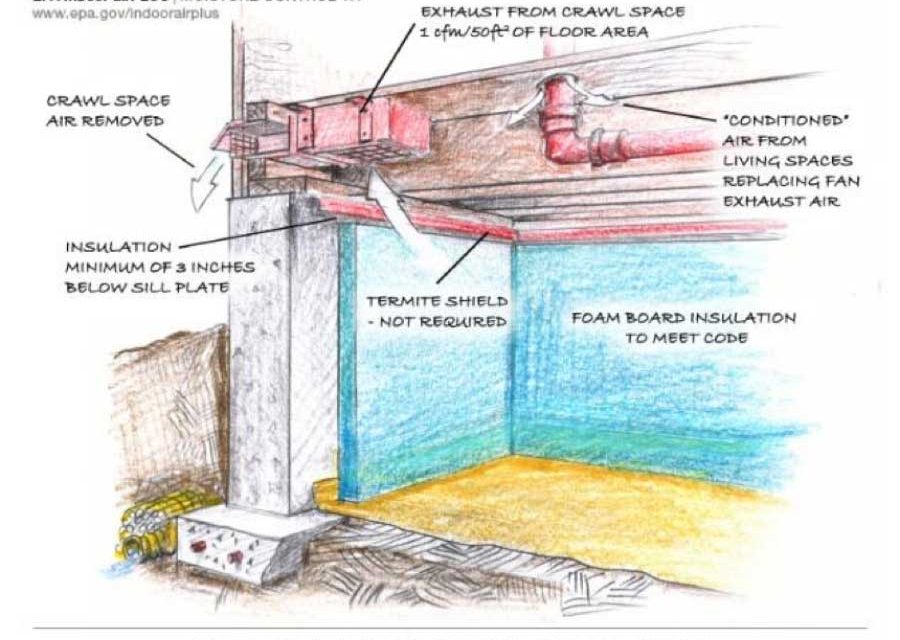
Ventilation problems can be a sign of a larger issue within your home’s interior environment. Mould odours and water stains are common indicators that the air quality inside your home may not be ideal.
The Causes of Mould Odour and Water Stains
Mould odours and water stains are primarily caused by an increase in humidity levels within the home. However, if you don’t live in an area known for high humidity, it’s possible that water accumulation is due to a building fault that causes elevated humidity levels.
While there may be many potential causes of moisture issues, occupants can also contribute to the problem through their daily habits and actions. Consider not opening windows frequently, using high-temperature heaters during cold weather, neglecting ventilation fans in bathrooms and kitchens, or failing to open doors or use air purifiers.
To identify if you have a mould issue, it’s recommended that you look for visible signs of growth on surfaces within your home. For example, if you notice mould on ceilings (which are not typically humid areas), it may be worth investigating potential water leaks from the roof or upper floors due to damaged materials, poorly installed skylights, clogged gutters, or malfunctioning plumbing.
If no obvious signs of mould growth are visible, it’s often a sign that moisture issues are hidden within walls. Using an electronic humidity meter can help detect areas where you might expect water damage, such as around bathroom fixtures.
Problems with Flooring Ventilation
One major issue related to moisture in your home is inadequate flooring ventilation. Several signs may indicate problems with floor ventilation, including discoloration on the floor surface or unevenness.
When checking for issues with floor ventilation, it’s essential to take specific readings of humidity levels to assess the extent of the problem. Typically, the cause of moisture-related flooring issues is related to elevated humidity within your home environment and a lack of airflow.
Inadequate ventilation can lead to condensation issues on floors, especially in areas prone to water exposure, such as bathrooms and kitchens. To resolve these problems, consider installing a ventilation system or using a vespaio areato (also known as an aerated vent).
The Vespaio Areato: A Solution for Ventilation Issues
A vespaio areato is a traditional system that allows air to flow through the ground and out of your home, ensuring good ventilation. This method can be particularly effective in areas with poor natural airflow or high humidity.
In its most basic form, a vespaio areato consists of an underground vent installed beneath your home’s foundation. Air enters the vent from outside, passes over a filter to remove pollutants, and then flows through the ground before being expelled outside. While this traditional approach is still effective, modern variations have improved levels of protection against moisture and condensation.
The typical installation depth for a vespaio areato is between 30-50 cm, with an optimal slope that allows water to drain away from your home’s foundation. The system can be customized depending on specific building requirements and local climate conditions.
While the traditional approach remains effective, newer variations offer enhanced protection against moisture and condensation in areas where this is a significant concern, such as during warmer months when humidity levels are particularly high.
By addressing ventilation issues within your home, you can prevent mould growth, water damage, and reduce energy consumption. Whether using a traditional vespaio areato or installing a modern ventilation system, effective airflow management can help maintain a healthier indoor environment.
Frequently Asked Questions
- What causes moisture buildup in my home?
-
Moisture issues in your home can be caused by factors such as poor ventilation, high humidity levels within the area, and even building faults that lead to water accumulation.
-
How do I detect mould growth in my home?
-
Keep an eye out for signs of mould growth on surfaces, and if you’re unsure about what you’ve found, consider hiring a professional.
-
What are some common causes of poor flooring ventilation?
-
Poor flooring ventilation can be caused by high humidity levels within your home environment and inadequate airflow.
-
Can I install a vespaio areato myself?
-
It’s recommended to hire a professional for the installation process, especially if you’re not familiar with building or plumbing systems.
-
What is the benefit of using an aerated vent?
-
The primary benefits include better ventilation and reduced moisture accumulation within your home environment.
-
How do I ensure my vespaio areato is installed correctly?
-
Consult a professional to ensure that it’s installed with the correct depth, slope, and materials for your specific needs.
-
Can I still have mould issues if I install a vespaio areato?
-
Yes, even with proper installation, there may be instances where mould growth occurs due to factors beyond your control, such as high humidity levels or poor maintenance.
-
What other options do I have for addressing moisture issues in my home?
- Besides installing a vespaio areato or aerated vent, consider using modern ventilation systems designed specifically for effective air circulation and moisture management.
Common Mistakes to Avoid When Addressing Ventilation Issues
- Not checking humidity levels regularly, which can lead to delayed detection of potential issues.
- Failing to address water damage promptly, which can cause extensive mold growth and further complications.
- Ignoring the role of occupants in contributing to moisture buildup through their daily habits and actions.
Preventing Future Ventilation Issues
To minimize the risk of future ventilation problems:
- Regularly inspect your home for signs of water damage or mould growth.
- Install a modern ventilation system designed specifically for effective air circulation and moisture management.
- Maintain good hygiene practices, such as cleaning regularly and using air purifiers.
Modern Ventilation Solutions
For those seeking more advanced solutions to address ventilation issues:
- Consider installing a heat recovery ventilation (HRV) system, which can recover heat from exhaust air and transfer it to incoming fresh air.
- Look into using moisture-absorbing materials or technologies designed specifically for managing humidity levels within your home.
By taking proactive steps to address ventilation issues in your home, you can create a healthier indoor environment that is less prone to mould growth and water damage.


