
As the world grapples with the challenges of climate change, health epidemics, and social inequality, people are turning to vegetarianism as a viable alternative. But what exactly is vegetarianism? How does it work? And what are its benefits and drawbacks?
What is Vegetarianism?
Vegetarianism is an eating lifestyle that excludes meat, fish, and poultry from one’s diet. It is based on the idea of minimizing harm to animals, reducing environmental degradation, and promoting overall health and well-being.
Types of Vegetarian Diets
There are several types of vegetarian diets, each with its own set of rules and restrictions:
- Lacto-Ovo-Vegetarian: This diet includes dairy products and eggs but excludes meat, fish, and poultry.
- Lacto-Vegetarian: This diet includes dairy products but excludes eggs and meat, fish, and poultry.
- Ovo-Vegetarian: This diet excludes dairy products and eggs but includes meat, fish, and poultry.
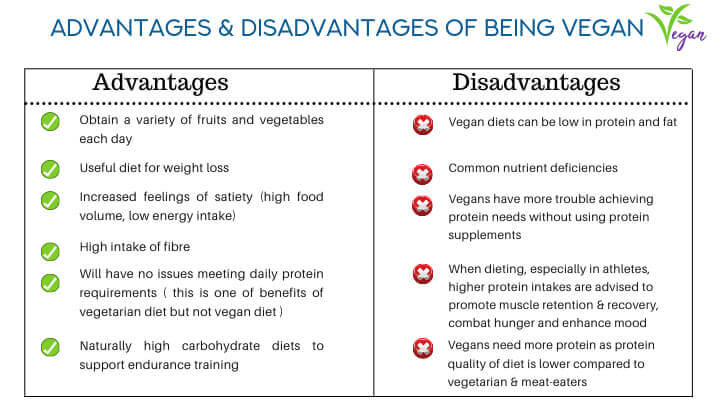
- Vegan: A vegan diet excludes all animal products, including dairy, eggs, and even honey.
Benefits of a Vegetarian Diet
A well-planned vegetarian diet can have numerous health benefits, including:
- Lower risk of heart disease and stroke
- Weight loss and reduced risk of obesity
- Improved blood sugar control and reduced risk of type 2 diabetes
- Reduced risk of certain cancers, such as colon and prostate cancer
Vegetarianism also has a positive impact on the environment. Animal agriculture is a significant contributor to greenhouse gas emissions, deforestation, and water pollution.
Drawbacks of a Vegetarian Diet
While vegetarianism offers many benefits, it may not be suitable for everyone. Some potential drawbacks include:
- Nutrient deficiencies: A vegetarian diet can be low in certain nutrients, such as vitamin B12, iron, and zinc.
- Higher cost: Vegetarian alternatives to meat can be more expensive than traditional options.
- Social challenges: Vegetarians may face social pressure or difficulty finding suitable food options when eating out.
Conclusion
Vegetarianism is a viable lifestyle option that offers numerous health benefits and environmental advantages. However, it is essential to approach vegetarianism with caution and ensure that one’s diet is well-planned to avoid nutrient deficiencies. By making informed choices about our food intake, we can promote overall health and well-being while minimizing harm to animals and the environment.
Frequently Asked Questions
- What are the benefits of a vegan diet?
A vegan diet offers numerous health benefits, including reduced risk of heart disease, obesity, and certain cancers. It also has a positive impact on the environment. - How do I ensure that my vegetarian diet is well-planned?
To ensure that your vegetarian diet is well-planned, focus on consuming a variety of whole foods, such as fruits, vegetables, whole grains, and legumes. Consult with a registered dietitian or healthcare professional for personalized advice. - Can I follow a vegetarian lifestyle if I have certain health conditions?
It depends on the specific health condition. For example, individuals with celiac disease may need to avoid gluten-containing foods in their vegetarian diet. Consult with a healthcare professional for personalized advice.
Raw Food: What is it and its Benefits
Raw food, also known as raw veganism, involves eating uncooked and unprocessed foods, including fruits, vegetables, nuts, seeds, and sprouts. A raw food diet has been associated with numerous health benefits, including:
- Improved digestion and reduced symptoms of irritable bowel syndrome (IBS)
- Increased energy levels
- Reduced inflammation and improved immune function
However, it is essential to note that a raw food diet can be nutrient-deficient if not planned properly. Consult with a registered dietitian or healthcare professional for personalized advice.
The Future of Vegetarianism
As the world continues to grapple with climate change, health epidemics, and social inequality, vegetarianism will likely play an increasingly important role in promoting overall health and well-being while minimizing harm to animals and the environment.


