
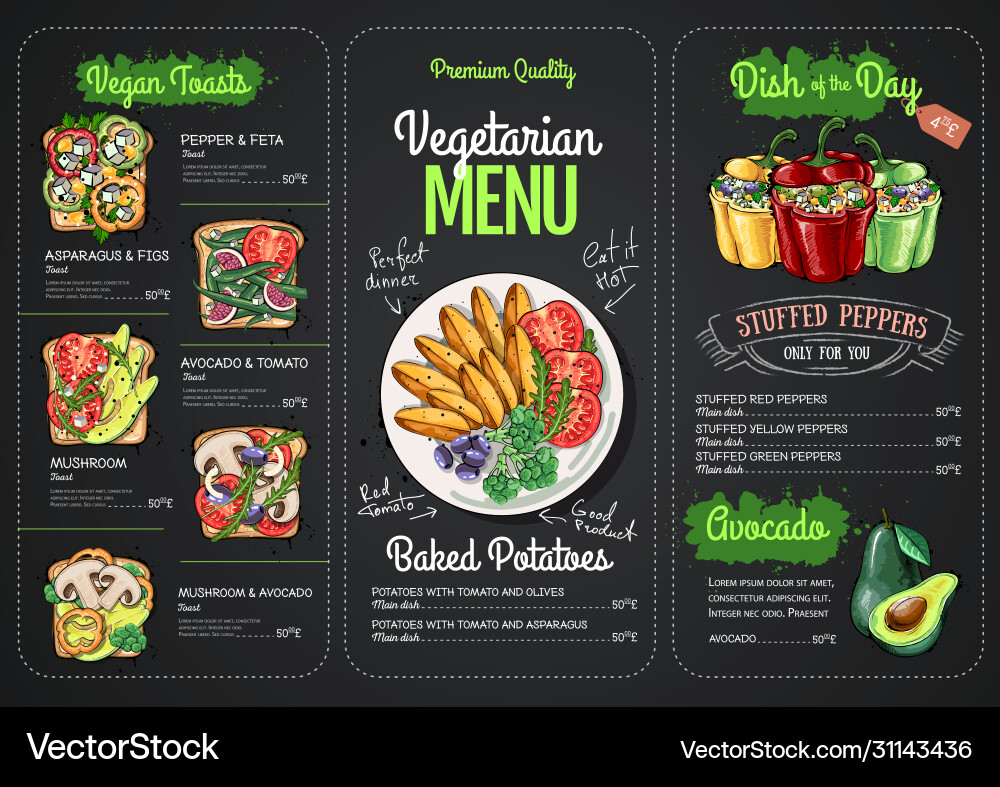
When it comes to planning a menu for guests who follow a vegetarian diet, many people assume that it will be boring and limited. However, this couldn’t be further from the truth. A well-crafted vegetarian menu can be just as satisfying and delicious as its non-vegetarian counterparts.
The Benefits of a Vegetarian Menu
So, what makes a vegetarian menu so special? For starters, it allows you to explore a wide range of flavors and ingredients that are both healthy and cruelty-free. By incorporating plant-based staples like fruits, vegetables, legumes, and whole grains, you can create dishes that are not only tasty but also packed with nutrients.
Understanding the Basics of Vegetarian Cuisine
To get started with planning a vegetarian menu, it’s essential to understand the basics of vegetarian cuisine. Here are some key concepts to keep in mind:
- Types of vegetarian diets: There are several types of vegetarian diets, including lacto-ovo-vegetarian (includes dairy products and eggs), lacto-vegetarian (includes dairy products but not eggs), ovo-vegetarian (includes eggs but not dairy products), and vegan (excludes all animal products).
- Vegetarian staples: Vegetables like bell peppers, zucchini, eggplant, and mushrooms are great options for a vegetarian menu. Legumes like lentils, chickpeas, and black beans are also excellent sources of protein. Whole grains like quinoa, brown rice, and whole wheat pasta can provide complex carbohydrates.
- Vegetarian cooking techniques: Grilling, roasting, sautéing, and steaming are all great ways to prepare vegetables for a vegetarian menu.
Creating a Vegetarian Menu That Wows
So, how do you get started? The key is to think outside the box and experiment with different ingredients and flavor combinations. Here’s a step-by-step guide to help you create a vegetarian menu that will impress your guests:
Vegetarian Appetizers: A Delicious Start
When it comes to appetizers, there are countless options to choose from. For a vegetarian starter, consider serving dishes like bruschetta, asparagus salad, or chilled vegetable and cheese fillings.
- Bruschetta is a classic Italian dish that consists of toasted bread topped with diced tomatoes, basil, garlic, and mozzarella cheese.
- Asparagus salad is a simple yet elegant option that features blanched asparagus, chopped onion, uva passa, pine nuts, and a tangy dressing.
- Chilled vegetable and cheese fillings are a great way to add some creaminess to your menu. Try combining goat cheese, robiola, and mascarpone with thinly sliced rucola and carrots for a refreshing and flavorful start.
Vegetarian First Course: A Delicious Twist on Classics
When it comes to the first course, there are many ways to create a delicious vegetarian dish that’s both healthy and satisfying. Consider serving classic pasta dishes like lasagna made with eggplant and tofu or sformato topped with roasted vegetables.
- Lasagna is a classic Italian dish that can be easily adapted to suit a vegetarian diet. Try using eggplant, tofu, and besciamella cheese for a flavorful and filling first course.
- Sformato is an Italian dish made from layered vegetable and pasta dishes. It’s easy to make and can be customized with your favorite ingredients.
Vegetarian Second Course: A Delicious Finish
When it comes to the second course, there are many ways to create a delicious vegetarian dish that’s both healthy and satisfying. Consider serving roasted vegetable dishes or sformato topped with fresh herbs.
- Roasted vegetables are a great way to add some flavor and texture to your menu. Try using different combinations of vegetables like eggplant, zucchini, and bell peppers.
- Sformato is a versatile dish that can be customized with your favorite ingredients. Try topping it with fresh herbs like parsley or basil for added flavor.
Tips for Creating a Vegetarian Menu That Wows
Here are some additional tips to help you create a vegetarian menu that will impress your guests:
- Experiment with different flavors and ingredients to add some excitement to your menu.
- Consider serving dishes that are both healthy and visually appealing.
- Don’t be afraid to think outside the box and try new things.
Conclusion
Creating a delicious vegetarian menu doesn’t have to be boring or limiting. With a little creativity and experimentation, you can create dishes that are not only tasty but also packed with nutrients. Whether you’re serving appetizers, first courses, or second courses, there are countless options to choose from. So, go ahead and get creative – your guests will thank you!
Frequently Asked Questions
- What is a vegetarian menu?
A vegetarian menu refers to a meal plan that excludes meat, fish, and poultry. - Can I create a vegetarian menu on my own?
Yes, creating a vegetarian menu on your own can be easy and fun. Try experimenting with different flavors and ingredients to add some excitement to your menu. - What are some popular vegetarian dishes?
Some popular vegetarian dishes include bruschetta, asparagus salad, lasagna made with eggplant and tofu, and sformato topped with roasted vegetables. - How do I make a delicious vegetable and cheese filling?
Try combining goat cheese, robiola, and mascarpone with thinly sliced rucola and carrots for a refreshing and flavorful start. - What are some tips for creating a vegetarian menu that wows?
Experiment with different flavors and ingredients to add some excitement to your menu. Consider serving dishes that are both healthy and visually appealing. Don’t be afraid to think outside the box and try new things.
Common Mistakes to Avoid
When it comes to planning a vegetarian menu, there are several common mistakes to avoid:
- Not considering dietary restrictions: Make sure to ask about any dietary restrictions or allergies before serving food.
- Using too much cheese: While cheese can be delicious in moderation, using too much can make your dishes overpowering. Balance it out with other flavors and textures.
- Overcooking vegetables: Vegetables should be cooked until they’re tender but still crisp. Overcooking can make them mushy and unappealing.
Conclusion
Creating a delicious vegetarian menu is all about experimentation, creativity, and attention to detail. By following these tips and avoiding common mistakes, you can create dishes that are both healthy and satisfying for your guests. Whether you’re serving appetizers, first courses, or second courses, there are countless options to choose from. So, go ahead and get creative – your guests will thank you!


