
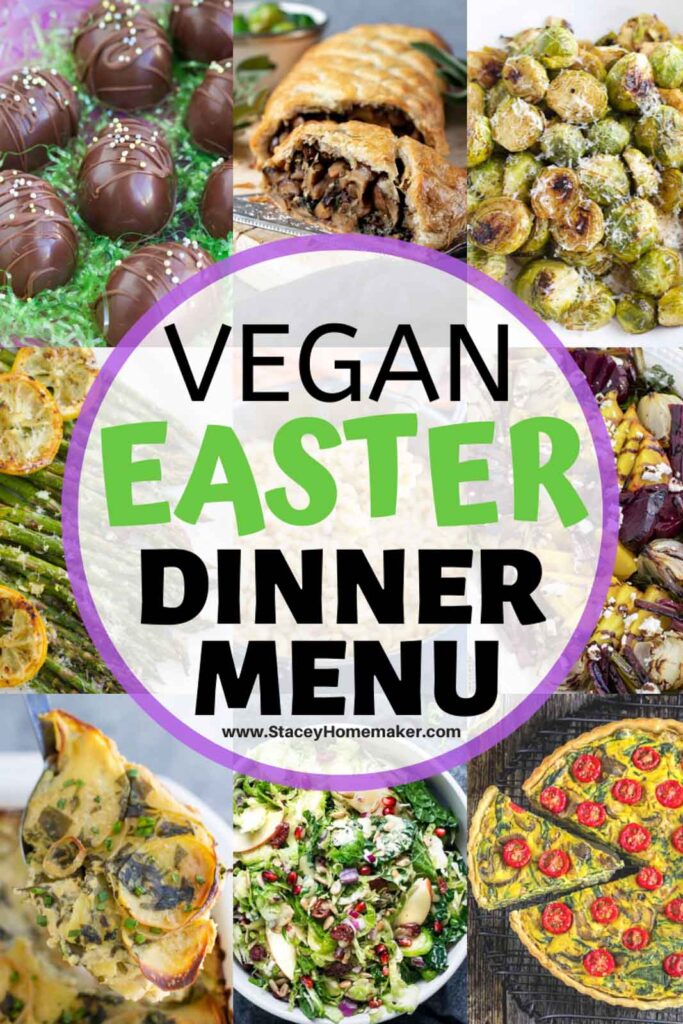
As Easter approaches, many of us are planning our holiday menus, often without giving much thought to the impact of our choices on the environment and animal welfare. Choosing a vegetarian menu is not only a great way to protect our health but also a surefire way to reduce our carbon footprint. In this article, we’ll explore the benefits of a plant-based Easter menu and provide you with some delicious and inspiring ideas for your holiday feast.
Why Choose Vegetarian?
Choosing a vegetarian diet can have a significant impact on reducing greenhouse gas emissions and protecting animal welfare. Animal agriculture is one of the leading causes of deforestation, water pollution, and climate change, accounting for around 18% of global CO2 emissions. By opting for plant-based options, you’re not only doing your part for the environment but also promoting sustainable food systems.
The Benefits of a Plant-Based Diet
A plant-based diet has numerous benefits for our health, including:
- Reduced risk of chronic diseases: A plant-based diet can help reduce the risk of heart disease, type 2 diabetes, and certain types of cancer.
- Weight loss: Plant-based diets tend to be high in fiber and low in saturated fat, making them an effective way to lose weight and maintain weight loss over time.
- Improved gut health: A plant-based diet is rich in fiber, which can help promote the growth of beneficial gut bacteria and support a healthy gut microbiome.
- Increased energy: Plant-based diets tend to be high in nutrients and antioxidants, which can help boost energy levels and improve overall well-being.
Vegetarian Easter Menu: Antipasti
When it comes to antipasti, the Italian tradition of offering small plates before meals is the perfect opportunity to showcase some delicious vegetarian options. Here’s a recipe for Zucchini Fritters with Ricotta that’s sure to become a new favorite:
Zucchini Fritters with Ricotta
To make these crispy and flavorful fritters, you’ll need the following ingredients:
- 500g of diced zucchini
- 350g of ricotta cheese
- 100g of grated Parmesan cheese
- 2 beaten eggs
- A pinch of salt
- Noce moscata (almond extract)
- 200g of breadcrumbs
Simply sauté the chopped onion in olive oil, add the diced zucchini and cook until tender. Transfer the mixture to a bowl and mix in the ricotta cheese, Parmesan cheese, eggs, salt, noce moscata, and breadcrumbs. Shape into patties and coat with breadcrumb mixture before frying.
Vegetarian Easter Menu: First Course
When it comes to first courses, Italian cuisine has plenty of inspiration to draw from. Here’s a recipe for Cavolfiore Lasagna with Besciamella that showcases the beauty of plant-based ingredients:
Cavolfiore Lasagna with Besciamella
To make this delicious and creamy lasagna, you’ll need the following ingredients:
- 220g of lasagna sheets
- 1 head of cavolfiore (broccoli)
- 1 container of besciamella sauce
- 100g of flour
- 30g of pine nuts
- 30g of butter
- 300g of mozzarella cheese
- Olive oil
- Passion fruit
- Salt and pepper
Simply sauté the chopped onion in olive oil, add the pine nuts and passion fruit. Meanwhile, boil the cavolfiore until tender, then drain and mix with ricotta, besciamella sauce, and a pinch of salt. Grease a baking dish and line it with lasagna sheets, followed by layers of the cavolfiore mixture and mozzarella cheese.
Vegetarian Easter Menu: Second Course
For second courses, Italian cuisine offers plenty of inspiration for delicious vegetarian options. Here’s a recipe for Strudel of Vegetables that showcases the beauty of plant-based ingredients:
Strudel of Vegetables
To make this delicious and satisfying strudel, you’ll need the following ingredients:
- Chopped onion
- Sliced vegetables (carrots, bell peppers, zucchini, and eggplant)
- Glass of white wine
- Wooden spoon
- Puff pastry (biscuit)
- Emmental cheese
Simply sauté the chopped onion in olive oil, then add the sliced vegetables and cook until tender. Mix with a wooden spoon and pour in a glass of white wine. Meanwhile, roll out the puff pastry to create a rectangle, then fill with the vegetable mixture and sprinkle with grated cheese.
Vegetarian Easter Menu: Main Course
When it comes to main courses, Italian cuisine has plenty of inspiration for delicious vegetarian options. Here’s a recipe for Stuffed Portobello Mushrooms that showcases the beauty of plant-based ingredients:
Stuffed Portobello Mushrooms
To make these flavorful and satisfying mushrooms, you’ll need the following ingredients:
- 4 large portobello mushrooms
- 100g of breadcrumbs
- 50g of grated Parmesan cheese
- 30g of chopped onion
- 20g of olive oil
- Salt and pepper
Simply sauté the chopped onion in olive oil, then add the sliced mushrooms and cook until tender. Meanwhile, mix the breadcrumbs with Parmesan cheese, salt, and pepper. Stuff each mushroom cap with the breadcrumb mixture and bake until golden brown.
Vegetarian Easter Menu: Desserts
When it comes to desserts, Italian cuisine has plenty of inspiration for delicious vegetarian options. Here’s a recipe for Tiramisu that showcases the beauty of plant-based ingredients:
Tiramisu
To make this creamy and decadent dessert, you’ll need the following ingredients:
- 200g of ladyfingers
- 100g of mascarpone cheese
- 50g of sugar
- 30g of unsweetened cocoa powder
- 20g of espresso
Simply soak the ladyfingers in coffee or espresso, then layer with a creamy mascarpone mixture and top with cocoa powder. Refrigerate until set, then slice and serve.
Conclusion
Easter is a time for celebration and feasting with family and friends, but it’s also an opportunity to promote sustainable food systems and animal welfare. By choosing a vegetarian menu, you’re not only doing your part for the environment but also promoting delicious and satisfying plant-based cuisine.
FAQs
- What are the benefits of a plant-based Easter menu?
Choosing a plant-based Easter menu can help reduce greenhouse gas emissions and promote sustainable food systems. - How can I make my vegetarian Easter menu more sustainable?
Consider using locally sourced ingredients, reducing food waste, and choosing eco-friendly packaging. - Can I still enjoy traditional Italian dishes on Easter if they’re not meat-based?
Absolutely! Many traditional Italian dishes are already plant-based, and you can easily adapt recipes to suit your dietary preferences. - What are some delicious vegetarian alternatives to traditional Easter main courses?
Consider options like stuffed bell peppers, eggplant parmesan, or vegetarian lasagna. - How can I make my vegetarian Easter menu more visually appealing?
Use colorful ingredients, creative garnishes, and artistic presentation to make your dishes stand out. - Can I still enjoy festive desserts on Easter if they’re not meat-based?
Absolutely! Many traditional Italian desserts are already plant-based, and you can easily adapt recipes to suit your dietary preferences. - How can I make my vegetarian Easter menu more budget-friendly?
Consider using seasonal ingredients, reducing food waste, and choosing affordable alternatives. - Can I still enjoy a satisfying and filling vegetarian Easter menu?
Absolutely! Plant-based cuisine offers plenty of options for satisfying and filling meals that are just as delicious as traditional meat-based dishes.
By incorporating plant-based options into your Easter menu, you’ll not only be promoting sustainable food systems and animal welfare but also enjoying delicious and satisfying meals with your loved ones.


