
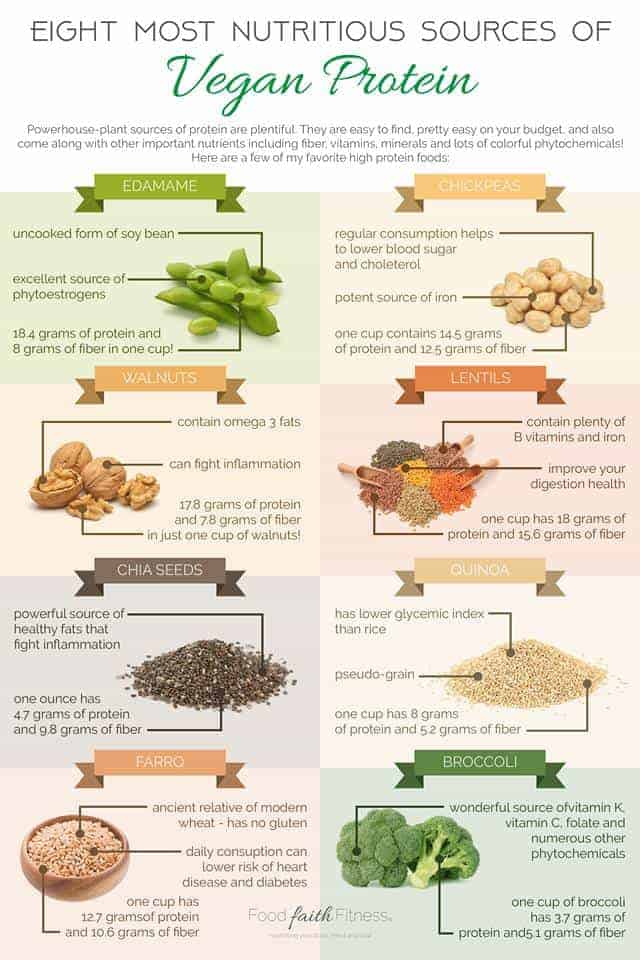
As the world becomes increasingly aware of the importance of sustainable living and healthy eating, the number of people following a vegetarian diet is on the rise. In fact, it’s estimated that 19% of the population in Asia follows a vegetarian lifestyle, with India being the country with the highest percentage of vegetarians (40%). So, what exactly is a vegetarian diet, and how can it benefit your health and the environment?
What is a Vegetarian Diet?
A vegetarian diet is one that excludes meat, fish, and poultry, but may include dairy products, eggs, and other animal-derived ingredients. There are several types of vegetarian diets, including:
- Lacto-ovo-vegetarian: This diet excludes meat, fish, and poultry, but allows dairy products and eggs.
- Lacto-vegetarian: This diet excludes meat, fish, poultry, and eggs, but allows dairy products.
- Ovo-vegetarian: This diet excludes meat, fish, poultry, and dairy products, but allows eggs.
- Pescetarian: This diet excludes meat and poultry, but allows fish and seafood.
Benefits of a Vegetarian Diet
A well-planned vegetarian diet can have numerous health benefits, including:
- Lower risk of heart disease
- Weight loss
- Improved blood sugar control
- Reduced risk of certain cancers
In addition to the health benefits, a vegetarian diet is also better for the environment. Animal agriculture is a significant contributor to greenhouse gas emissions, deforestation, and water pollution.
Nutrients Found in Vegetarian Diets
While it’s true that vegetarian diets may be lower in certain nutrients like vitamin B12 and iron, there are many plant-based sources of these nutrients. Some examples include:
- Vitamin B12: found in fortified plant milk, cereals, and nutritional yeast
- Iron: found in beans, lentils, spinach, and fortified cereals
- Calcium: found in fortified plant milk, dark leafy greens, and tofu
Tips for a Balanced Vegetarian Diet
To ensure you’re getting all the necessary nutrients on a vegetarian diet, follow these tips:
- Eat a variety of whole, plant-based foods like fruits, vegetables, whole grains, and legumes.
- Include sources of vitamin B12, iron, and calcium in your diet.
- Consider taking supplements if you’re unable to get enough from food sources alone.
- Don’t be afraid to try new foods and recipes – there are many delicious and nutritious options available!
Common Misconceptions about Vegetarian Diets
While a vegetarian diet can be incredibly healthy and sustainable, there are some common misconceptions that need to be addressed:
- Myth: Vegetarian diets are low in protein. Reality: Legumes, beans, lentils, and tofu are all high in protein.
- Myth: Vegetarian diets are expensive. Reality: Plant-based protein sources like beans and lentils are often cheaper than meat.
- Myth: Vegetarian diets are boring. Reality: There are countless delicious and nutritious plant-based options available – from veggie burgers to vegan cheese.
Nutritional Deficiencies in a Vegetarian Diet
While a well-planned vegetarian diet can provide all the necessary nutrients, there are some common nutritional deficiencies that need to be addressed:
- Vitamin B12: This vitamin is found primarily in animal products and can lead to fatigue, weakness, and neurological problems if not replaced.
- Iron: Iron deficiency is common in vegetarians, particularly women of childbearing age. Symptoms include fatigue, weakness, and shortness of breath.
- Omega-3 fatty acids: These essential fatty acids are found primarily in fish and seafood, but can be replaced with plant-based sources like flaxseed oil and walnuts.
Tips for Getting Enough Nutrients on a Vegetarian Diet
To ensure you’re getting all the necessary nutrients on a vegetarian diet, follow these tips:
- Consult with a registered dietitian or healthcare provider to determine if you need supplements.
- Eat a variety of whole, plant-based foods like fruits, vegetables, whole grains, and legumes.
- Include sources of vitamin B12, iron, and omega-3 fatty acids in your diet.
- Consider taking a daily multivitamin to ensure you’re getting all the necessary nutrients.
Sustainable Living and Vegetarianism
A vegetarian diet is not only good for your health, but also for the environment. Animal agriculture is a significant contributor to greenhouse gas emissions, deforestation, and water pollution. By choosing plant-based options, you can significantly reduce your carbon footprint and help to protect the planet.
The Environmental Impact of Animal Agriculture
Animal agriculture is a significant contributor to greenhouse gas emissions, with around 14.5% of global GHG emissions attributed to the livestock sector. Deforestation, which accounts for around 70% of all land deforestation, also contributes significantly to climate change.
Tips for Reducing Your Carbon Footprint on a Vegetarian Diet
To reduce your carbon footprint on a vegetarian diet, follow these tips:
- Eat a variety of whole, plant-based foods like fruits, vegetables, whole grains, and legumes.
- Choose locally sourced, seasonal produce to reduce transportation emissions.
- Avoid single-use plastics and opt for reusable bags, containers, and water bottles.
Conclusion
A well-planned vegetarian diet can have numerous health benefits, improve your environmental impact, and even help you lose weight. By incorporating a variety of whole, plant-based foods into your diet, you can ensure you’re getting all the necessary nutrients for optimal health. Whether you’re looking to adopt a vegetarian lifestyle or simply want to incorporate more plant-based meals into your diet, this guide has provided you with the information and tips you need to get started.
FAQs
- What are some common nutritional deficiencies in a vegetarian diet?
Common nutritional deficiencies in a vegetarian diet include vitamin B12, iron, and omega-3 fatty acids. - How can I ensure I’m getting enough protein on a vegetarian diet?
Legumes, beans, lentils, tofu, tempeh, and seitan are all high in protein. - Can vegetarians get enough calcium from plant-based sources?
Yes, dark leafy greens like kale and broccoli, fortified plant milk, and tofu are all good sources of calcium. - What is the environmental impact of a vegetarian diet?
Animal agriculture is a significant contributor to greenhouse gas emissions, deforestation, and water pollution, making a vegetarian diet one of the most sustainable options. - Can I still lose weight on a vegetarian diet?
Yes, many people have successfully lost weight on a well-planned vegetarian diet by focusing on whole, plant-based foods and reducing their overall caloric intake. - What are some common mistakes vegetarians make when planning their diets?
Common mistakes include underestimating the protein content of legumes, assuming that dairy products provide enough calcium, and neglecting to incorporate a variety of whole grains into your diet. - Can I get all the necessary nutrients on a vegan diet?
Yes, many plant-based sources of essential nutrients like vitamin B12, iron, and omega-3 fatty acids are available on a vegan diet – it just requires some careful planning! - How can I maintain my energy levels on a vegetarian diet?
Adequate hydration, consuming complex carbohydrates, and including healthy fats in your diet can all help to maintain energy levels on a vegetarian diet.


