
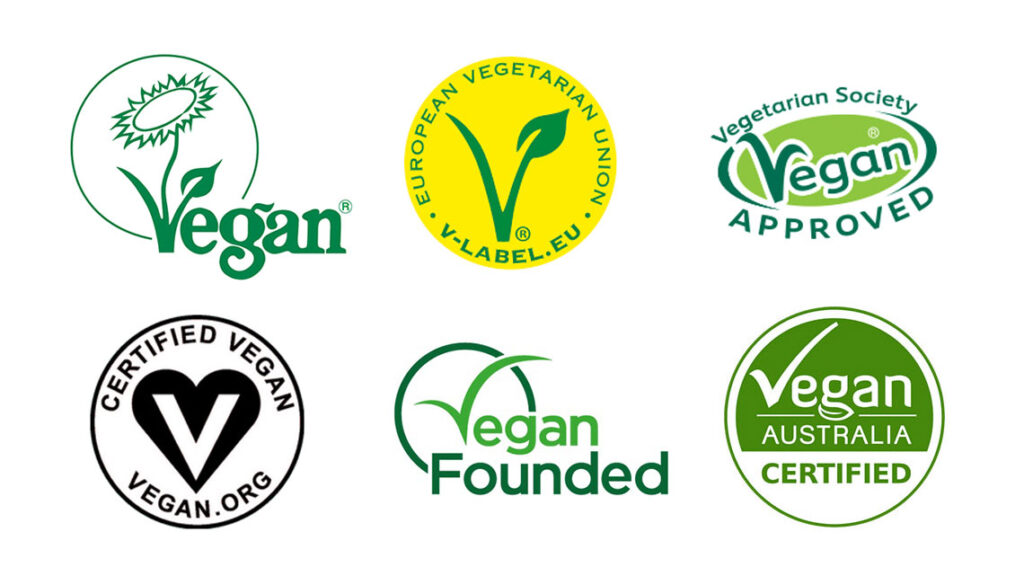
As a consumer, choosing the right food can be overwhelming, especially when it comes to vegetarian and vegan diets. With so many labels on the market, it’s easy to get confused about what they mean and which ones are trustworthy. In this article, we’ll explore the world of certification for vegetarian and vegan food, highlighting the benefits, criteria, and differences between two prominent labels: Marchio Qualità Vegetariana (QV) and A.V.I. LABEL VEG.
What is Certification for Vegetarian and Vegan Food?
Certification for vegetarian and vegan food is a third-party verification process that ensures products meet specific dietary standards. These labels are designed to provide consumers with confidence in their purchasing decisions, ensuring they’re buying products that align with their values and dietary preferences.
Benefits of Certification
So why choose certified products? For one, these labels guarantee that the products have been produced according to strict guidelines, eliminating any potential allergens or animal-derived ingredients. Additionally, certification ensures that the production process is transparent, allowing consumers to make informed decisions about what they’re putting in their bodies.
For producers, certification can be a game-changer. It increases brand recognition and trust among consumers, making it easier to stand out in a crowded market. Furthermore, certified products often enjoy increased shelf life and reduced waste due to the strict quality control measures in place.
Marchio Qualità Vegetariana (QV) Certification
Launched by the Association of Italian Vegetarians (AVI), Marchio Qualità Vegetariana (QV) is one of the most recognizable labels for vegetarian and vegan food. This certification covers a wide range of products, from pasta sauces to baked goods, ensuring that every item meets the strict criteria outlined below:
- Transparency: Products must be produced with complete transparency, listing all ingredients used.
- Open-Access Production Facilities: Manufacturers must allow regular inspections by the certifying organization to ensure compliance with QV standards.
- Adherence to AVI Guidelines: Certified products must conform to the Association of Italian Vegetarians’ guidelines and codes of conduct.
- No Animal By-Products: Products cannot contain any animal-derived ingredients, including eggs from battery farms.
A.V.I. LABEL VEG Certification
The A.V.I. LABEL VEG certification is another prominent label in the vegetarian and vegan community. This label ensures that products meet specific dietary standards, covering a wide range of categories:
- Transparency: Products must be produced with complete transparency, listing all ingredients used.
- Open-Access Production Facilities: Manufacturers must allow regular inspections by the certifying organization to ensure compliance with A.V.I. LABEL VEG standards.
- Adherence to EVU Guidelines: Certified products must conform to the European Vegetarian Union’s guidelines and codes of conduct.
- No Animal By-Products: Products cannot contain any animal-derived ingredients, including eggs from battery farms.
Choosing the Right Label
When selecting a certified product, it’s essential to consider your personal preferences and dietary needs. Both QV and A.V.I. LABEL VEG offer excellent options for vegetarians and vegans looking for trustworthy products. However, each label has its unique benefits and criteria, so it’s crucial to research and understand what each certification entails.
Factors to Consider When Choosing a Certified Product
- Ingredients: Look for products with clear labeling of ingredients used in production.
- Manufacturing Process: Ensure that the manufacturing process is transparent and compliant with certification standards.
- Dietary Standards: Verify that the product meets specific dietary standards, such as no animal by-products or allergen-free ingredients.
- Certification: Check for official certifications from reputable organizations like AVI or EVU.
Types of Vegetarian and Vegan Diets
Before choosing a certified product, it’s essential to understand the different types of vegetarian and vegan diets:
- Vegetarian Diet: A diet that excludes meat, fish, and poultry but may include dairy products and eggs.
- Vegan Diet: A diet that excludes all animal-derived ingredients, including dairy products, eggs, and even honey.
Tips for Choosing the Right Certified Product
- Read Labels Carefully: Always read labels carefully to ensure that the product meets your dietary needs.
- Research Manufacturers: Research manufacturers and their production processes to ensure compliance with certification standards.
- Consult with a Healthcare Professional: Consult with a healthcare professional or registered dietitian for personalized advice on vegetarian and vegan diets.
- Check Online Reviews: Check online reviews from reputable sources to get an idea of the product’s quality and reputation.
Conclusion
In conclusion, choosing the right certified product is a crucial decision when it comes to vegetarian and vegan diets. With so many labels on the market, it’s easy to get confused about which ones are trustworthy. By understanding the benefits, criteria, and differences between Marchio Qualità Vegetariana (QV) and A.V.I. LABEL VEG certifications, consumers can make informed decisions that align with their values and dietary preferences.
Frequently Asked Questions (FAQs)
- What is the difference between QV and A.V.I. LABEL VEG certifications?
- Both labels guarantee that products meet specific dietary standards, but they have different criteria and guidelines.
- Are all certified products vegetarian or vegan?
- No, not all certified products are vegetarian or vegan. However, both QV and A.V.I. LABEL VEG ensure that products meet strict dietary standards.
- How long does certification last?
- Certification is valid for three years and can be renewed upon request.
- Can I find certified products in any store or online retailer?
- Not all stores or retailers carry certified products. Look for reputable brands and manufacturers that offer certification as a guarantee of quality and safety.
- How do I know if a product is certified by QV or A.V.I. LABEL VEG?
- Check the label for the official logo and certification mark, which will indicate whether the product has been certified by QV or A.V.I. LABEL VEG.
- Can I apply for certification myself or do I need to work with a manufacturer?
- Certification is typically only granted to manufacturers who produce products that meet specific dietary standards. However, many producers are happy to work with consumers who have questions about their products and labeling.
- How can I ensure that my product meets the criteria for QV or A.V.I. LABEL VEG certification?
- Work closely with your manufacturer to ensure that all ingredients used in production meet the necessary standards for certification.
- Can certified products be exported to other countries?
- Yes, certified products can be exported to other countries as long as they comply with local regulations and dietary standards.
By understanding the benefits, criteria, and differences between QV and A.V.I. LABEL VEG certifications, consumers can make informed decisions that align with their values and dietary preferences.


