
As a society, we’ve become increasingly aware of the importance of healthy eating and avoiding processed foods. However, have you ever stopped to think about what’s really going into your bread? The answer might surprise you.
In this article, we’ll delve into the world of carbon vegetal (also known as carbone attivo) and its use in baking. From its origins to its effects on our health, we’ll explore it all.
What is Carbon Vegetal?
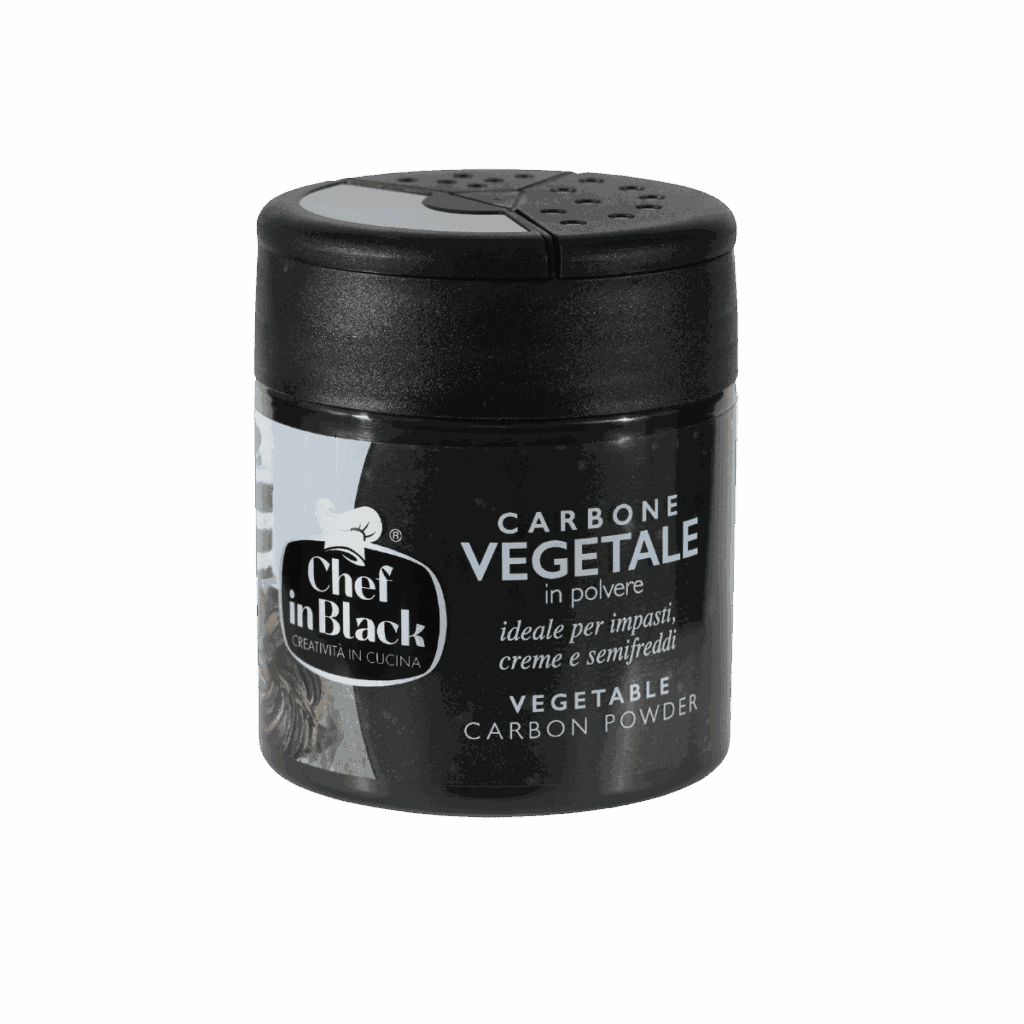
Carbon vegetal is a type of food coloring derived from wood or other plant materials. It’s often used in baked goods, such as bread and pizza, to give them a distinctive dark color. But what are the implications of using this substance in our food?
The history of carbon vegetal dates back to ancient times, when it was used by European bakers to create a rich, brown crust on their bread. The process involved boiling wood chips or other plant materials in water to create a natural dye. This method was not only effective but also created a unique flavor and aroma that is still prized today.
The Controversy Surrounding Carbon Vegetal
One of the main concerns surrounding carbon vegetal is its potential impact on human health. Some argue that it’s a natural alternative to synthetic food dyes, while others claim it’s just as problematic.
Some of the concerns surrounding carbon vegetal include:
- The presence of furans and polycyclic aromatic hydrocarbons (PAHs), which are known carcinogens.
- The potential for allergic reactions or sensitivities in some individuals.
- The fact that carbone attivo is not subject to the same regulations as synthetic food dyes.
However, not all experts agree that carbon vegetal is a danger. Some argue that it’s a natural and harmless alternative to synthetic food dyes, while others point out that more research is needed to fully understand its effects on human health.
The Truth About White Bread
So, why do we still see so much white bread on store shelves? The answer lies in the way it’s made. Most commercial bread is created using refined flour, which has been stripped of its nutrient-rich bran and germ. This process leaves behind mostly empty calories and added sugars.
But what about whole grain bread? Is it any better? Unfortunately, many commercial whole grain breads are still made with highly processed ingredients and may not contain as much actual fiber or nutrients as we think.
Whole grain bread is generally considered a healthier option than white bread because it retains more of the nutrient-rich bran and germ. However, some artisanal bakers have found ways to create delicious, nutritious bread using ancient grains like Kamut or spelt. These grains are higher in protein and fiber than traditional wheat and can add depth and complexity to bread.
The Power of Autoproduction
So, what can you do to make a difference? The answer lies in taking control of your own baking. By using high-quality ingredients and traditional techniques, you can create delicious, nutritious bread that’s free from artificial additives.
For example, making your own pizza dough from scratch requires only a few simple ingredients: flour, water, yeast, salt, and olive oil. And by using a natural starter culture instead of commercial yeast, you can create a more complex, nuanced flavor.
Another advantage of autoproduction is the ability to customize your bread to suit your tastes and dietary needs. Whether you’re gluten-free or vegan, there are countless recipes available that cater to these diets.
The Properties of Carbon Vegetal
So, what exactly does carbone attivo do in our bodies? Research suggests that it may help reduce inflammation and improve digestion, making it a potential solution for digestive issues like bloating and gas.
However, more research is needed to fully understand the effects of carbone attivo on human health. Some studies have suggested that it may also have antioxidant properties, which could be beneficial for overall health.
Finding Carbon Vegetal
So, where can you find this mysterious substance? In most cases, it’s sold as a supplement or dietary additive, often marketed as a natural alternative to artificial food dyes. However, be careful what you buy – not all carbon vegetal products are created equal.
When shopping for carbone attivo, look for products that have been tested and certified by reputable third-party organizations. This can help ensure that the product is safe and effective.
Conclusion
The use of carbon vegetal in baking may seem like a minor issue, but it’s actually part of a larger problem: our society’s reliance on processed foods and artificial additives. By taking control of our own baking and choosing high-quality ingredients, we can create healthier, more nutritious food that’s free from unnecessary additives.
So next time you’re browsing the bakery aisle, remember the dark side of white bread – and the power of autoproduction to change it.
FAQs
- Is carbon vegetal safe for human consumption?
While some research suggests that carbone attivo may be safe in small amounts, more studies are needed to fully understand its effects on human health. - Can I find carbon vegetal in local bakeries?
It’s unlikely that you’ll find carbon vegetal in traditional bakeries, as it’s not a common ingredient. However, some artisanal bakers may use it to create unique flavor profiles. - What are the benefits of using carbone attivo in baking?
Some proponents claim that carbone attivo can improve digestion, reduce inflammation, and enhance flavor, although more research is needed to confirm these claims. - Can I make my own carbon vegetal at home?
Yes! Simply boiling wood chips or other plant materials in water can create a natural dye that can be used in baking. - Is it possible to overdo it with carbone attivo?
Yes, excessive consumption of carbone attivo has been linked to digestive issues and other health problems. Moderation is key. - Can I use carbone attivo in gluten-free baking?
While some proponents claim that carbone attivo can help improve gluten-free breads, more research is needed to confirm its effectiveness. - What are the environmental implications of using carbon vegetal in baking?
The production and transportation of carbone attivo may have negative environmental impacts, although more research is needed to fully understand these effects. - Can I substitute carbon vegetal with other natural dyes?
Yes! Other natural dyes like turmeric, beet juice, or matcha powder can be used as alternatives to carbone attivo in baking.


