
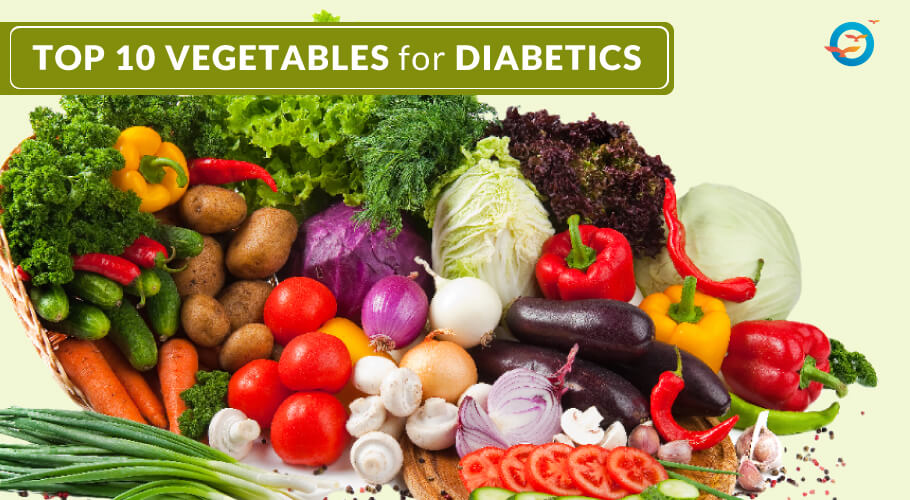
Understanding Vegetables for Diabetics: A Guide to Making Informed Choices
As we navigate the complexities of diabetes management, it’s essential to recognize the critical role that nutrition plays in our overall well-being. One often-overlooked aspect of healthy eating is choosing the right vegetables for diabetics. While all vegetables are not created equal, selecting the right ones can make a significant difference in managing blood sugar levels and maintaining overall health.
Why Are Vegetables Important for Diabetics?
In diabetes management, diet plays a crucial role in balancing blood sugar levels, insulin sensitivity, and overall metabolic health. Vegetables, rich in fiber, vitamins, minerals, and antioxidants, are an excellent addition to a diabetic’s diet. However, not all vegetables are created equal, and some may even exacerbate blood sugar control.
Understanding the Difference Between Type 1 and Type 2 Diabetes
When it comes to managing diabetes, it’s essential to differentiate between type 1 and type 2 diabetes. While both conditions require attention to dietary habits, their management approaches differ significantly. Type 1 diabetes is an autoimmune condition that requires insulin therapy, whereas type 2 diabetes is characterized by insulin resistance and impaired glucose metabolism.
Vegetable Selection Criteria for Diabetics
When selecting vegetables for diabetics, consider the following criteria:
- Glycemic index: Choose vegetables with a low or moderate glycemic index (GI) to minimize blood sugar spikes.
- Fiber content: Select vegetables rich in dietary fiber to slow down carbohydrate digestion and absorption.
- Vitamin and mineral content: Opt for vegetables high in essential vitamins, minerals, and antioxidants to support overall health.
Vegetables Suitable for Diabetics
Some vegetables are more suitable for diabetics than others due to their glycemic index, fiber content, and nutrient profile. These include:
- Carrots
- Leafy greens (such as spinach, kale, and collard greens)
- Cruciferous vegetables (such as broccoli, cauliflower, and cabbage)
- Mushrooms
Vegetables to Limit or Avoid
While all vegetables have their benefits, some should be consumed in moderation due to their high glycemic index, low fiber content, or anti-nutritional compounds. These include:
- Potatoes
- Sweet potatoes
- Corn
- Peas
Cooking and Preparation Techniques
When preparing vegetables for diabetics, consider the following cooking methods:
- Steaming or roasting to minimize glycemic index
- Grilling or sautéing with healthy oils (such as olive oil) to add flavor without excess calories
Tips for Healthy Vegetable Consumption
In addition to selecting the right vegetables and cooking techniques, follow these tips for healthy vegetable consumption:
- Eat a variety of colorful vegetables to ensure adequate nutrient intake
- Aim for 5-7 servings of vegetables per day
- Incorporate fermented or pickled vegetables into your diet to boost gut health
Nutrient-Dense Vegetables for Diabetics
In addition to the vegetables mentioned earlier, here are some other nutrient-dense options that can be beneficial for diabetics:
- Beets: Rich in fiber, vitamins, and minerals, beets are an excellent choice for diabetics.
- Asparagus: Low in calories and rich in antioxidants, asparagus is a great addition to any diet.
- Brussels sprouts: High in fiber and vitamins, Brussels sprouts are an excellent source of nutrients.
- Green beans: Low in calories and high in fiber, green beans make a great side dish for diabetics.
Fiber-Rich Vegetables for Diabetics
Fiber is essential for regulating blood sugar levels and promoting satiety. Here are some fiber-rich vegetables that can be beneficial for diabetics:
- Artichokes: Rich in dietary fiber, artichokes are an excellent choice for diabetics.
- Peas: High in fiber and low in calories, peas make a great addition to any diet.
- Broccoli: Low in calories and high in fiber, broccoli is an excellent source of nutrients.
- Cauliflower: Rich in dietary fiber, cauliflower is an excellent choice for diabetics.
Antioxidant-Rich Vegetables for Diabetics
Antioxidants play a crucial role in protecting against oxidative stress and inflammation. Here are some antioxidant-rich vegetables that can be beneficial for diabetics:
- Bell peppers: High in antioxidants and low in calories, bell peppers make a great addition to any diet.
- Spinach: Rich in antioxidants and low in calories, spinach is an excellent source of nutrients.
- Tomatoes: High in antioxidants and low in calories, tomatoes make a great addition to any diet.
- Cabbage: Low in calories and high in antioxidants, cabbage is an excellent choice for diabetics.
Conclusion
In conclusion, choosing the right vegetables for diabetics requires attention to glycemic index, fiber content, and nutrient profile. By selecting vegetables that meet these criteria and incorporating them into your diet in moderation, you can support healthy blood sugar levels, insulin sensitivity, and overall metabolic well-being.
Frequently Asked Questions (FAQs)
- What is the best way to cook vegetables for diabetics?
- Steaming or roasting are excellent options to minimize glycemic index.
- Can I still enjoy my favorite desserts if I have diabetes?
- Yes, but be mindful of portion sizes and carbohydrate content.
- How can I incorporate more vegetables into my diet?
- Start by adding one or two servings per day and gradually increase the amount.
- Can I still enjoy fruits and starchy vegetables if I have diabetes?
- Yes, but be mindful of portion sizes and carbohydrate content.
- What are some healthy alternatives to sugary snacks for diabetics?
- Fresh fruit, raw vegetables with hummus, or energy balls made from nuts and seeds.
Additional Resources
If you have any further questions or concerns about managing diabetes through nutrition, consult your healthcare provider or registered dietitian.


