
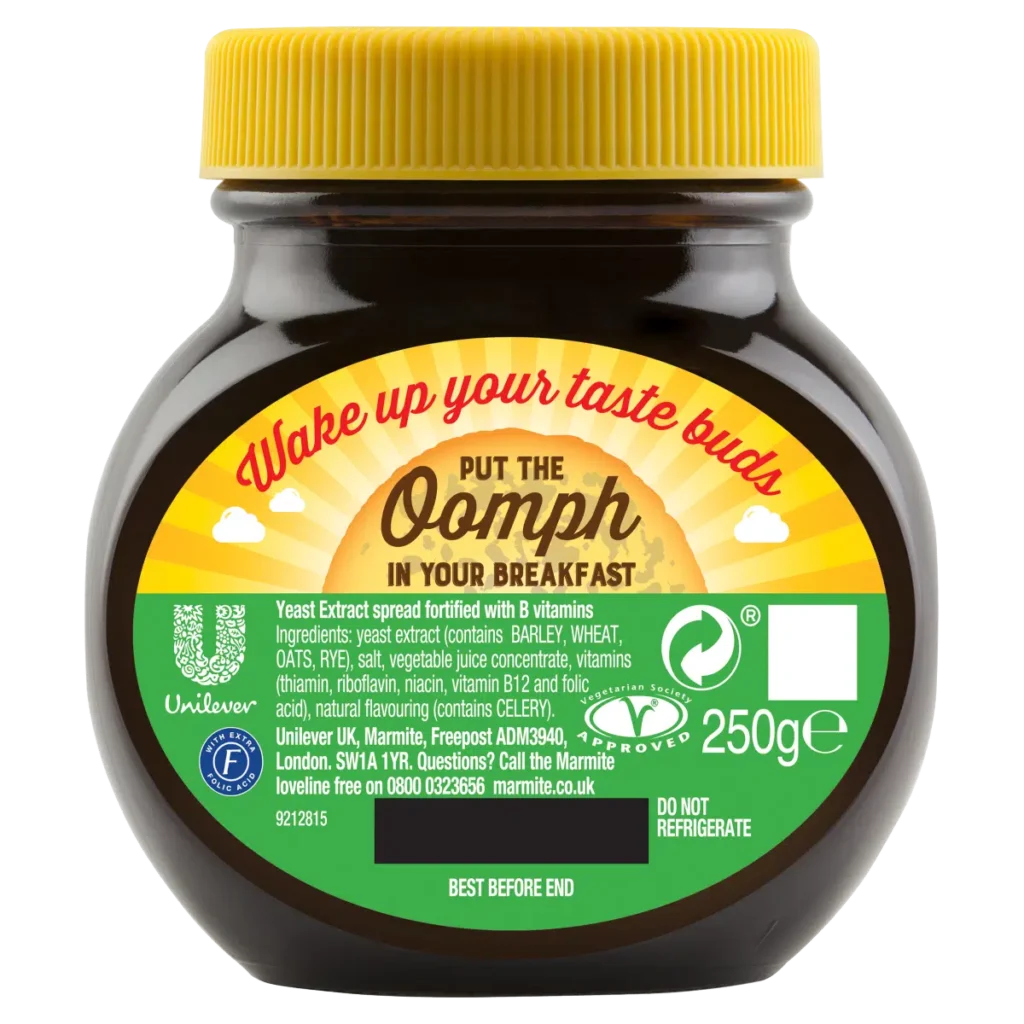
As we scroll through the aisles of our local grocery store, we often find ourselves confronted with a multitude of food labels that read “contains yeast extract” or “yeast extract.” But have you ever stopped to think about what exactly this ingredient is and how it’s made? In this article, we’ll delve into the world of vegetarian yeast extract, exploring its benefits, risks, and uses in cooking.
What is Yeast Extract?
Yeast extract is a common ingredient used to add flavor and depth to various foods, from soups and stews to snacks and baked goods. It’s often found on food labels as “yeast extract” or “vegetarian yeast extract,” although not all yeast extracts are created equal.
The Difference Between Yeast Extract and Marmite
Marmite is a specific type of yeast extract that originated in the United Kingdom. It’s made from the same process as other yeast extracts, but it’s brewed specifically for its rich, savory flavor. While both yeast extracts and marmite contain similar ingredients, they have distinct differences in terms of taste and usage.
The Benefits of Vegetarian Yeast Extract
Vegetarian yeast extract is made from a variety of yeasts, including those used in brewing beer, wine, or bread production. These yeasts are fermented with sugar to produce a rich, umami flavor that’s prized by chefs and home cooks alike. Some of the benefits of using vegetarian yeast extract include:
- High in Vitamins: Vegetarian yeast extract is an excellent source of vitamins B, C, and E, as well as minerals like potassium and iron.
- Gluten-Free: Most vegetarian yeast extracts are gluten-free, making them a great option for those with gluten intolerance or celiac disease.
- Lower Cost: Compared to other umami-rich ingredients, vegetarian yeast extract is often more affordable.
The Risks of Vegetarian Yeast Extract
While vegetarian yeast extract is generally considered safe to consume, there are some potential risks to be aware of:
- Glutamate Content: Some vegetarians may be concerned about the presence of glutamate in yeast extracts. However, research has shown that moderate amounts of glutamate are not harmful.
- Allergies and Intolerances: As with any food ingredient, there is a small chance of allergic reactions or intolerances to vegetarian yeast extract.
How is Vegetarian Yeast Extract Made?
To produce vegetarian yeast extract, manufacturers typically follow these steps:
- Yeast Selection: The type of yeast used for production is crucial in determining the flavor and quality of the final product.
- Fermentation: The yeast is fermented with sugar to produce a rich, umami flavor.
- Centrifugation: The resulting liquid is centrifuged to separate the flavorful compounds from the solids.
- Drying Process: Some manufacturers use a drying process to remove excess water and preserve the extract.
The Drying Process:
There are two main methods of drying yeast extracts:
- Spray Drying: This method involves spraying the liquid extract into a hot air stream, which instantly evaporates the water.
- Freeze Drying: This method involves freezing the liquid extract and then reducing the surrounding pressure to allow the frozen water to sublimate (change directly from a solid to a gas).
Using Vegetarian Yeast Extract in Cooking
Vegetarian yeast extract can be used in a variety of dishes, from soups and stews to snacks and baked goods. Here are some ideas to get you started:
- Soups and Stews: Add a teaspoon of vegetarian yeast extract to your favorite soup or stew recipe for an extra boost of flavor.
- Snacks: Mix a small amount of vegetarian yeast extract into hummus, guacamole, or other dips for added depth.
- Baked Goods: Use vegetarian yeast extract in place of salt or sugar in baked goods recipes.
Frequently Asked Questions
Here are some common questions about vegetarian yeast extract:
- Q: Is vegetarian yeast extract gluten-free?
A: Most vegetarian yeast extracts are gluten-free, but it’s always best to check the label. - Q: Can I use vegetarian yeast extract in place of Marmite?
A: While both ingredients have similar flavors, Marmite has a more distinctive taste. Use vegetarian yeast extract sparingly and adjust to taste. - Q: Is vegetarian yeast extract suitable for vegetarians with gluten intolerance?
A: Yes, most vegetarian yeast extracts are gluten-free and safe for consumption by those with gluten intolerance.
Conclusion
In conclusion, vegetarian yeast extract is a versatile ingredient that can add depth and complexity to various dishes. By understanding its benefits, risks, and uses in cooking, you can make informed decisions about incorporating this ingredient into your culinary repertoire. Whether you’re a seasoned chef or a curious home cook, we hope this article has provided you with valuable insights into the world of vegetarian yeast extract.
Additional Resources:
- Yeast Extract Manufacturers Association: A trade association that represents manufacturers of yeast extracts worldwide.
- Food and Agriculture Organization (FAO): An agency of the United Nations that provides information on food production, processing, and safety.
- USDA Food Safety and Inspection Service: A government agency responsible for ensuring the safety and quality of meat, poultry, and egg products.
By staying informed about vegetarian yeast extract, you can make better choices about your diet and cooking.


