
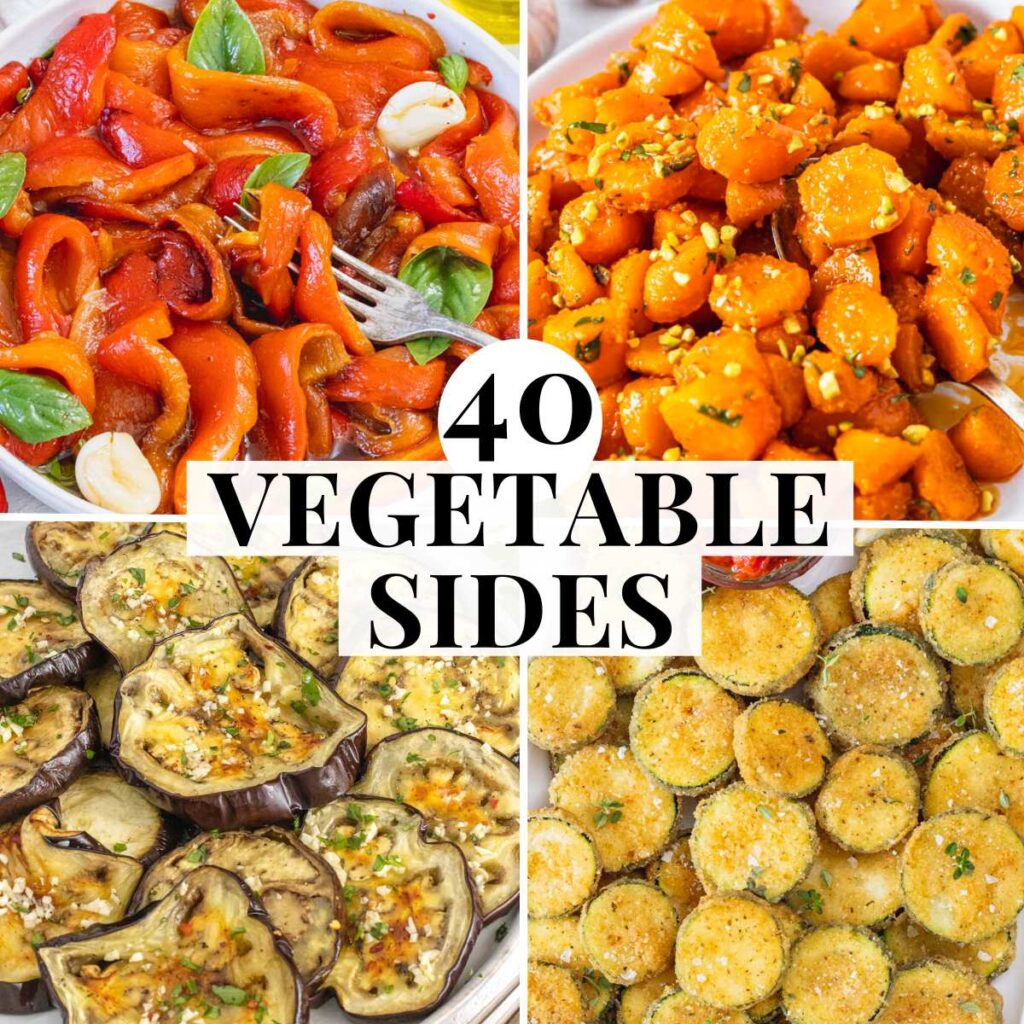
As the seasons change, our palates crave a variety of flavors to complement our main courses. Vegetable side dishes are an excellent way to add texture, taste, and nutrition to your meals. In this article, we’ll explore the world of vegetable side dishes, highlighting four delicious recipes that will tantalize your taste buds.
The Importance of Vegetables in Our Diet
Vegetables are a staple in any healthy diet, offering a wealth of benefits for our bodies. They’re packed with essential vitamins, minerals, and antioxidants that help prevent chronic diseases, boost energy levels, and support overall well-being. When it comes to vegetable side dishes, the options are endless, and we’ll delve into four mouth-watering recipes that showcase their versatility.
Carrot and Apple Compote: A Sweet and Savory Delight
This recipe is a perfect example of how simple yet flavorful vegetable side dishes can be. Carrots and apples are sautéed in butter with a hint of salt, sugar, and spices to create a sweet and savory compote that complements any meal.
- Ingredients:
- 4 medium carrots, peeled and sliced
- 1 large apple, peeled and diced
- 2 tablespoons unsalted butter
- Salt and pepper to taste
- Optional: a pinch of cinnamon or nutmeg for added flavor
The Science Behind Cooking Carrots
Carrots are a versatile vegetable that can be cooked in various ways to bring out their natural sweetness. The key is to not overcook them, as this can lead to a mushy texture and loss of nutrients.
- Why does cooking carrots make them sweeter?
- Cooking carrots breaks down the cell walls, releasing their natural sugars.
- How do you prevent overcooking carrots?
- Use high heat for shorter cooking times, or add a little liquid (such as butter or broth) to help retain moisture.
Zucchini Fritters with Besciamella Sauce
These crispy zucchini fritters are served with a rich besciamella sauce, making for a satisfying and comforting side dish. The key is to not overcook the vegetables, ensuring they retain their tender texture.
- Ingredients:
- 2 medium zucchinis, sliced
- 1/4 cup all-purpose flour
- 1/2 teaspoon salt
- 1/4 teaspoon black pepper
- 1 egg, lightly beaten
- Besciamella sauce (see below for recipe)
- Vegetable oil for frying
The Secret to Flaky Pastry in Fritters
Fritters are a great way to use up excess vegetables, and the key is to achieve a flaky pastry crust.
- Why does using cold ingredients matter?
- Cold eggs help prevent moisture from entering the batter.
- What’s the role of flour in fritter batter?
- Flour provides structure and helps absorb excess liquid.
Malted Mushroom and Cucumber Relish
This refreshing relish is a perfect accompaniment to grilled meats or as a snack on its own. The combination of sautéed mushrooms, cucumbers, and malt vinegar creates a tangy and savory flavor profile that will leave you wanting more.
- Ingredients:
- 1 cup mixed mushrooms (such as button, cremini, and shiitake)
- 2 medium cucumbers, peeled and diced
- 2 tablespoons malt vinegar
- 1 tablespoon olive oil
- Salt and pepper to taste
The Power of Malt Vinegar in Relishes
Malt vinegar is a key ingredient in many relishes, adding a tangy flavor that complements vegetables perfectly.
- Why does malt vinegar have such a strong flavor?
- The fermentation process involved in making malt vinegar creates compounds with distinct flavors.
- How can I use malt vinegar in my recipes?
- Use it sparingly as a condiment or as an ingredient in sauces and marinades.
Braised Green Beans with Creamy Horseradish Sauce
This indulgent side dish is a game-changer for anyone looking to elevate their vegetable game. The key is to not overcook the green beans, ensuring they retain their crunchy texture.
- Ingredients:
- 1 pound fresh green beans, trimmed
- 2 tablespoons unsalted butter
- 1/4 cup heavy cream
- 2 tablespoons prepared horseradish
- Salt and pepper to taste
The Role of Horseradish in Sauces
Horseradish is a versatile ingredient that adds depth and heat to sauces.
- Why does horseradish have such a pungent flavor?
- The compound allyl isothiocyanate gives horseradish its distinctive taste.
- How can I use horseradish in my recipes?
- Grate or crush fresh horseradish for added heat, or use prepared horseradish as a condiment.
Conclusion
Vegetable side dishes are a staple in any healthy diet, offering a wealth of benefits for our bodies. By incorporating these four delicious recipes into your meal routine, you’ll not only satisfy your taste buds but also provide your body with the essential nutrients it needs to thrive.
Frequently Asked Questions
- Q: What are some common health benefits of vegetables?
- A: Vegetables are rich in essential vitamins, minerals, and antioxidants that help prevent chronic diseases, boost energy levels, and support overall well-being.
- Q: How can I choose the right vegetables for my meals?
- A: Consider your personal preferences, dietary needs, and the seasonality of the vegetables to ensure you’re getting a variety of nutrients in your diet.
- Q: Can I cook vegetables ahead of time?
- A: Yes, many vegetables can be cooked ahead of time and reheated or stored in the refrigerator for later use. However, always follow proper food safety guidelines to avoid spoilage.
- Q: How can I add flavor to my vegetable side dishes?
- A: Experiment with herbs, spices, and sauces like besciamella, malt vinegar, or horseradish to elevate the flavor of your vegetables.
- Q: Can I use frozen or canned vegetables in my recipes?
- A: While fresh vegetables are always preferred, frozen or canned vegetables can be a convenient alternative. Just make sure to rinse and thaw them properly before using.
By incorporating these tips and recipes into your meal routine, you’ll be well on your way to becoming a vegetable side dish expert. Happy cooking!


