
What are Plant-Based Proteins?
Plant-based proteins, also known as vegetarian or vegan proteins, have gained popularity in recent years due to their health benefits and environmental sustainability. But are they as good as animal-based proteins? In this article, we’ll explore the types of plant-based proteins, their benefits, and how to incorporate them into your diet.
Types of Plant-Based Proteins
Plant-based proteins can be found in a variety of foods, including:
- Legumes (beans, lentils, peas)
- Nuts and seeds (almonds, chia seeds, hemp seeds)
- Whole grains (quinoa, brown rice, whole wheat)
- Soy products (tofu, tempeh, edamame)
- Vegetables (broccoli, spinach, kale)
Each of these foods provides a unique set of amino acids, which are the building blocks of protein.
The Benefits of Plant-Based Proteins
Plant-based proteins offer several health benefits, including:
- Lower risk of chronic diseases, such as heart disease and diabetes
- Weight loss and management
- Improved digestion and gut health
- Increased antioxidant intake
However, plant-based proteins can be low in certain amino acids, making them less complete than animal-based proteins.
The Importance of Amino Acid Balance
Amino acid balance is crucial for maintaining optimal health. Plant-based proteins are often low in one or more essential amino acids, which can lead to:
- Muscle wasting and weakness
- Fatigue and lethargy
- Poor immune function
To avoid these issues, it’s essential to consume a variety of plant-based protein sources and combine them with other nutrient-dense foods.
Protein Powder: A Convenient Option
For those who struggle to get enough protein from whole foods, protein powder can be a convenient option. However, not all protein powders are created equal. Look for protein powders that are:
- Made from whole food sources (e.g., pea protein, hemp protein)
- Low in added sugars and artificial ingredients
- High in amino acid content
The Best Plant-Based Protein Sources
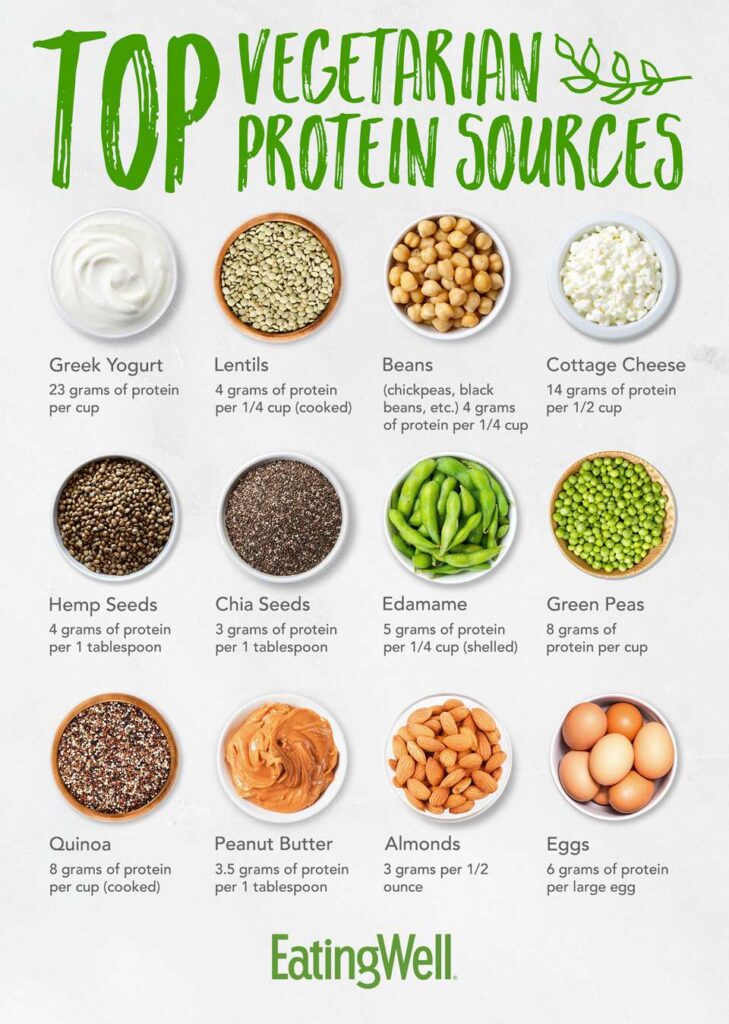
Here are some of the best plant-based protein sources, ranked by their protein density:
- Seitan: 21 grams of protein per 100 grams
- Spirulina: 16 grams of protein per 100 grams
- Chia seeds: 15 grams of protein per 100 grams
- Hemp seeds: 15 grams of protein per 100 grams
- Tofu: 14 grams of protein per 100 grams
- Tempeh: 13 grams of protein per 100 grams
- Lentils: 12 grams of protein per 100 grams
- Quinoa: 11 grams of protein per 100 grams
Incorporating Plant-Based Proteins into Your Diet
To incorporate plant-based proteins into your diet, try the following:
- Add beans and lentils to soups, stews, and salads
- Use tofu and tempeh as meat substitutes in stir-fries and curries
- Snack on nuts and seeds, such as almonds and chia seeds
- Incorporate whole grains, like quinoa and brown rice, into your meals
Common Misconceptions About Plant-Based Proteins
Here are some common misconceptions about plant-based proteins:
- Myth: Plant-based proteins are low in protein.
- Reality: Plant-based proteins can be high in protein content, especially when combined with other nutrient-dense foods.
- Myth: All plant-based proteins are created equal.
- Reality: Different plant-based proteins have unique amino acid profiles and nutritional benefits.
The Benefits of a Plant-Based Diet
In addition to the health benefits of plant-based proteins, a plant-based diet can also:
- Lower your environmental impact
- Reduce your risk of chronic diseases, such as heart disease and cancer
- Improve your digestion and gut health
- Increase your antioxidant intake
The Challenges of a Plant-Based Diet
While a plant-based diet can be beneficial for overall health, it can also present some challenges. For example:
- Myth: A plant-based diet is restrictive.
- Reality: A well-planned plant-based diet can be just as varied and nutritious as an animal-based diet.
Tips for Starting a Plant-Based Diet
If you’re considering starting a plant-based diet, here are some tips to keep in mind:
- Start with small changes: Begin by substituting one or two meals per day with plant-based options.
- Explore new foods: Try new fruits, vegetables, whole grains, and legumes to expand your palate.
- Consult with a registered dietitian: A registered dietitian can help you plan a well-balanced plant-based diet.
The Future of Plant-Based Proteins
As the demand for plant-based proteins continues to grow, researchers are developing new and innovative ways to produce protein-rich foods. Some of these developments include:
- Gene editing: Scientists are using gene editing techniques to improve the nutritional content of plant-based crops.
- Microbial fermentation: Microorganisms can be used to ferment plant-based proteins into high-protein foods.
- Plant-based protein powders: Plant-based protein powders are becoming increasingly popular as a convenient and nutritious way to boost your protein intake.
Conclusion
Plant-based proteins offer a wealth of health benefits and environmental sustainability. By understanding the types of plant-based proteins, their benefits, and how to incorporate them into your diet, you can unlock the power of these nutrients and thrive on a plant-based diet.
Whether you’re looking to improve your overall health, reduce your environmental impact, or simply expand your culinary options, plant-based proteins are definitely worth exploring. With the right guidance and support, you can create a balanced and nutritious plant-based diet that meets all of your nutritional needs.
Frequently Asked Questions
Q: Are plant-based proteins as good as animal-based proteins?
A: While plant-based proteins have some nutritional limitations, they can be just as nutritious as animal-based proteins when combined with other nutrient-dense foods.
Q: What are the best plant-based protein sources?
A: Some of the best plant-based protein sources include seitan, spirulina, chia seeds, hemp seeds, tofu, tempeh, lentils, and quinoa.
Q: How can I incorporate plant-based proteins into my diet?
A: Try adding beans and lentils to soups and salads, using tofu and tempeh as meat substitutes, snacking on nuts and seeds, and incorporating whole grains like quinoa and brown rice into your meals.
Q: Are plant-based protein powders effective?
A: Protein powders can be a convenient option for those who struggle to get enough protein from whole foods. Look for protein powders made from whole food sources, low in added sugars, and high in amino acid content.
Q: What are some common misconceptions about plant-based proteins?
A: Some common misconceptions include the idea that plant-based proteins are low in protein, or that all plant-based proteins are created equal.


