
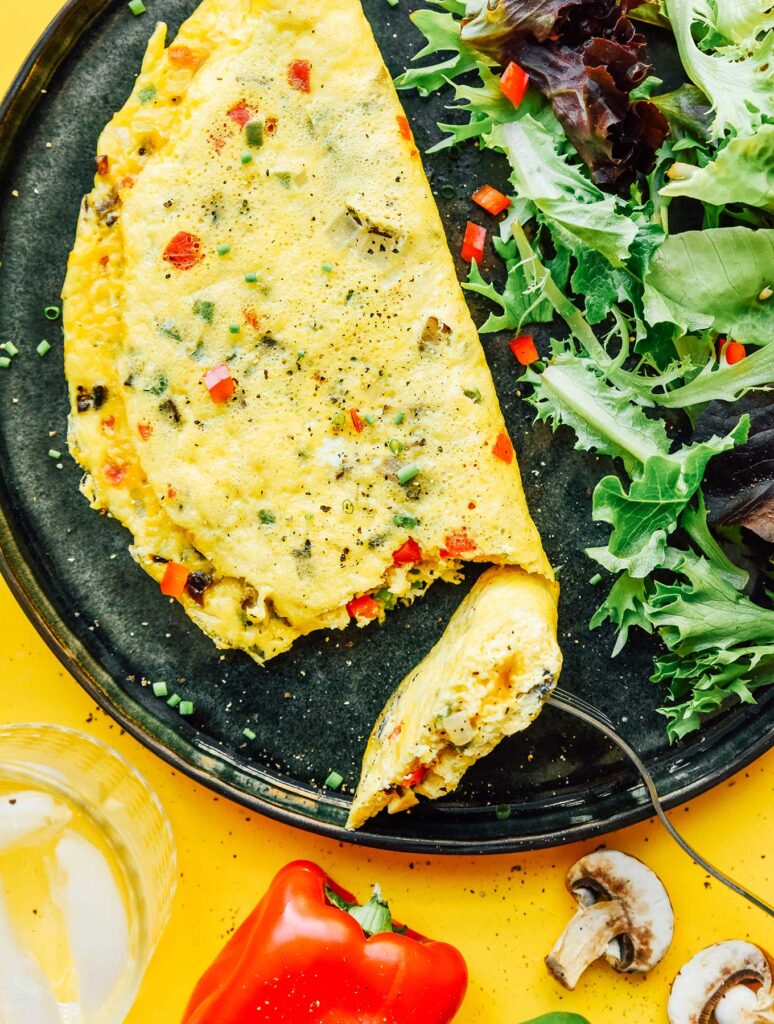
As we navigate the complexities of modern life, it’s easy to overlook the importance of nourishing our bodies with fresh, seasonal produce. However, consuming vegetables can have a profound impact on both our health and the environment. Despite this, many of us, especially children, tend to shy away from incorporating more veggies into their diet. The good news is that with a little creativity, you can win over even the most skeptical eaters with a delicious vegetable frittata.
The Benefits of Vegetable Frittatas
Vegetable frittatas are an excellent way to get your daily dose of fruits and vegetables, all while enjoying a satisfying meal that’s both healthy and flavorful. By incorporating seasonal produce into your recipe, you’ll not only boost the nutritional value of your dish but also contribute to a more sustainable food system. So, what makes a great vegetable frittata? Let’s dive in!
The Secret to Success: Choosing the Right Ingredients
When it comes to making a fantastic vegetable frittata, the quality of your ingredients is paramount. To ensure that your dish is not only delicious but also packed with nutrients, you’ll want to focus on using fresh, organic produce and high-quality eggs.
For this recipe, we’ll be working with the following ingredients:
- 4 large eggs
- 1 red bell pepper
- 2 medium zucchinis
- 1/4 cup of fresh asparagus
- 150g ricotta cheese
- 3 tablespoons of besciamella sauce
- 1 tablespoon of honey
- 1 tablespoon of chopped walnuts
- 1 small onion, finely chopped
- 1 teaspoon of flour
- 2 tablespoons of butter
Preparing the Vegetables
Before we can begin cooking our frittata, we need to prepare our vegetables. To do this, follow these steps:
• Cut the red bell pepper into bite-sized pieces and set aside.
• Wash and chop the zucchinis, asparagus, onion, and walnuts.
• In a large skillet, heat 2 tablespoons of olive oil over medium heat. Add the chopped onion and cook until translucent.
Cooking the Vegetables
Now that our vegetables are prepared, it’s time to start cooking! Follow these steps:
• Add the chopped bell pepper to the skillet with the onion. Cook for 3-4 minutes or until tender.
• Add the zucchinis, asparagus, and walnuts to the skillet. Cook for an additional 2-3 minutes or until the vegetables are tender-crisp.
• Remove the cooked vegetables from the skillet and set aside.
Making the Frittata
Now that our vegetables are cooked, it’s time to start making our frittata! Follow these steps:
• In a separate bowl, whisk together the eggs, salt, and pepper.
• Add the cooked vegetables, besciamella sauce, ricotta cheese, and flour to the egg mixture. Stir until well combined.
Cooking the Frittata
There are two ways to cook your frittata: on the stovetop or in the oven. Here’s how to do it:
Stovetop Method
• Heat a non-stick skillet over medium heat and add 1 tablespoon of butter.
• Pour in the egg mixture and cook until the edges start to set (about 2-3 minutes).
• Use a spatula to gently lift and fold the edges of the frittata towards the center.
• Cook for an additional 3-4 minutes or until the eggs are almost set.
• Remove from heat and serve warm.
Oven Method
• Preheat your oven to 160°C (320°F).
• Pour the egg mixture into a greased 20cm skillet or baking dish.
• Bake for 20-25 minutes or until the frittata is golden brown and cooked through.
• Serve warm.
Tips and Variations
Here are some tips and variations to enhance your vegetable frittata experience:
- To add an extra layer of flavor, sprinkle some chopped herbs like parsley or basil on top of the frittata before baking.
- If you’re feeling adventurous, try adding other vegetables like mushrooms, spinach, or cherry tomatoes to your frittata.
- For a gluten-free option, use gluten-free breadcrumbs instead of flour.
Common Mistakes to Avoid
When making a vegetable frittata, there are several common mistakes that can lead to disappointment. Here are some tips on how to avoid them:
- Overmixing the egg mixture: This can cause the eggs to become too dense and tough.
- Undercooking the vegetables: Make sure to cook your vegetables until they’re tender-crisp to ensure a delicious frittata.
- Not greasing the skillet properly: A non-stick skillet is essential for making a smooth, even frittata.
Serving Suggestions
A vegetable frittata can be served as a main course, side dish, or even breakfast. Here are some ideas:
- Serve with a salad or roasted vegetables for a healthy and balanced meal.
- Pair it with a slice of toast or crusty bread for a satisfying snack.
- Add some cheese, meat, or eggs to make it a more substantial breakfast option.
The History of Frittatas
Frittatas have been a staple in Italian cuisine for centuries. The word “frittata” is derived from the Latin term “fricere,” which means “to fry.” Over time, frittatas evolved into various regional specialties, each with their unique ingredients and cooking techniques.
Conclusion
With these simple steps and tips, you’ll be well on your way to creating the perfect vegetable frittata. This dish is not only delicious but also packed with nutrients, making it an excellent addition to any meal. So go ahead, give it a try, and enjoy the benefits of a healthy, sustainable food system!
Anna De Simone
Published June 17, 2013
Additional Resources:
- “The Joy of Cooking” by Irma S. Rombauer
- “The New York Times Cookbook” by Craig Claiborne
- “The Vegetarian Cookbook” by Colleen Taylor Middletown


