
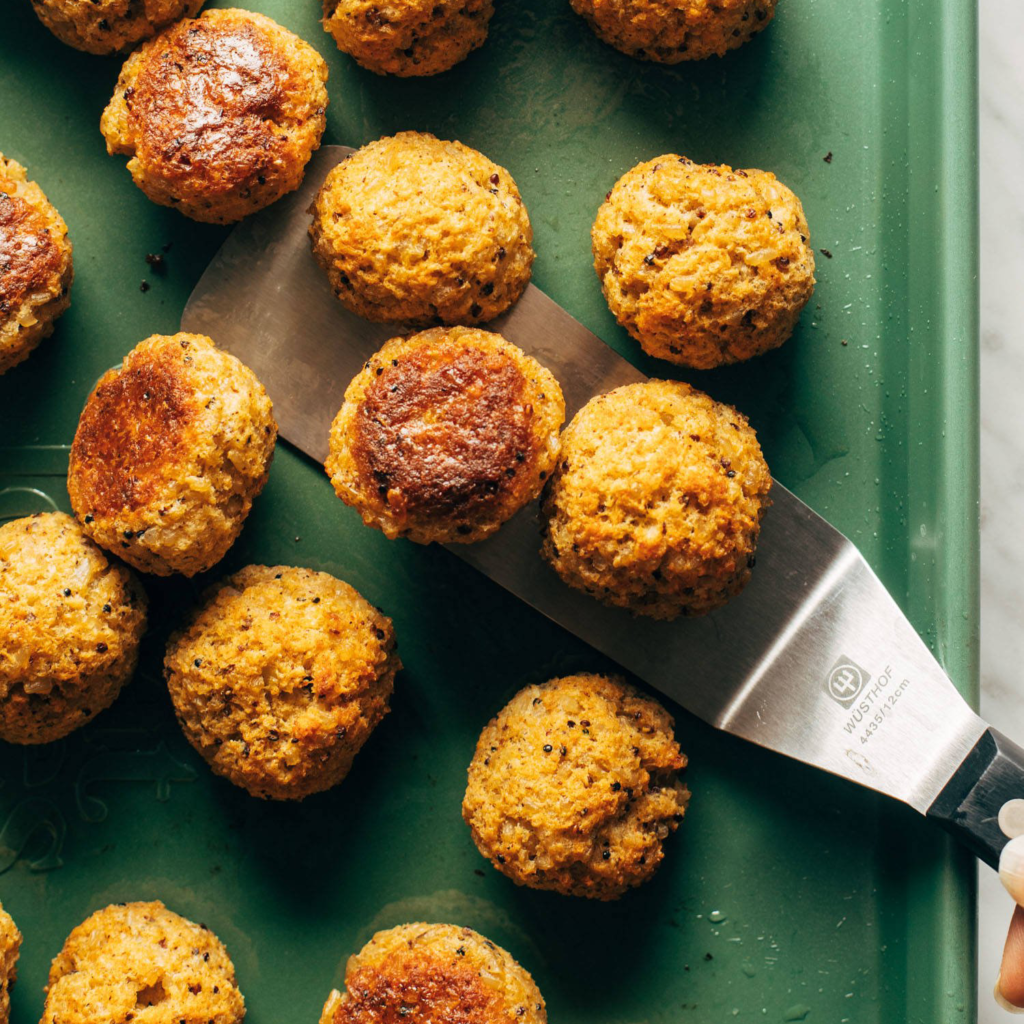
Are you looking for a delicious and healthy recipe to impress your friends? Look no further! Today, we’re going to share with you a simple and mouth-watering recipe for vegetable meatballs that are packed with vitamins and minerals. These meatballs are perfect for those who love to eat healthy and flavorful dishes without sacrificing taste.
The Importance of Seasonal Vegetables
During the summer months, our local markets offer an incredible variety of fresh vegetables, such as zucchinis, bell peppers, carrots, and tomatoes. These seasonal vegetables are not only delicious but also rich in vitamins and minerals that are essential for maintaining a healthy lifestyle.
Some of the key benefits of using seasonal vegetables include:
- Improved flavor: Seasonal vegetables tend to have more vibrant and intense flavors than out-of-season options.
- Increased nutritional value: Fresh, seasonal vegetables often contain higher levels of essential nutrients like vitamins A and C, potassium, and fiber.
- Better texture: Seasonal vegetables are typically firmer and more tender than their out-of-season counterparts.
Why Choose Vegetable Meatballs?
Vegetable meatballs are a great alternative to traditional meat-based meatballs. They’re lower in calories, saturated fat, and sodium, making them an excellent option for those who want to eat healthier without sacrificing flavor. Plus, they’re easier to make and can be cooked in a variety of ways, including baking or frying.
Some of the key benefits of choosing vegetable meatballs include:
- Lower calorie count: Vegetable meatballs are typically lower in calories than traditional meat-based meatballs.
- Reduced saturated fat content: By using vegetables instead of meat, these meatballs are naturally low in saturated fat.
- Increased versatility: Vegetable meatballs can be cooked and served in a variety of ways, making them perfect for meal planning.
Polpette di Verdure: A Recipe for 4 People
To make our delicious vegetable meatballs, you’ll need the following ingredients:
- 2 zucchinis
- 1 bell pepper
- 2 carrots
- 100 grams of grated Parmesan cheese
- 200 grams of ricotta cheese
- A handful of fresh parsley
- 2 eggs
- 4 tablespoons of béchamel sauce
- Pangrattato (breadcrumbs)
- Salt and pepper to taste
Preparing the Vegetables
The first step in making our delicious vegetable meatballs is to prepare the vegetables. Simply grate or chop the zucchinis, bell peppers, and carrots, and place them in a large bowl.
To get the best flavor out of your vegetables, it’s essential to choose fresh and seasonal options. Some popular summer vegetables that pair well with this recipe include:
- Zucchini
- Yellow squash
- Cherry tomatoes
- Fresh basil
Adding Flavor and Texture
Next, add some flavor and texture to your mixture by beating the eggs and mixing them with chopped parsley, salt, pepper, and grated Parmesan cheese. Add this egg mixture to the vegetable mixture and stir well.
To enhance the texture of your meatballs, you can also try adding a small amount of breadcrumbs or oats. This will help bind the ingredients together and create a more cohesive texture.
Combining the Ingredients
Now it’s time to combine all the ingredients together. Add the ricotta cheese, béchamel sauce, and pangrattato (breadcrumbs) to the bowl and mix until everything is well combined.
The key to achieving a smooth and creamy consistency in your meatballs is to use high-quality ingredients and to not overmix the mixture. This will help prevent the formation of gluten, which can lead to a tough or dense texture.
Shaping the Meatballs
Using your hands, shape the mixture into small meatballs, about 1-2 inches in diameter. You should end up with around 20-25 meatballs.
To get the perfect size and shape for your meatballs, it’s essential to use a consistent approach when shaping them. This will help ensure that they cook evenly and maintain their texture throughout the cooking process.
Baking the Meatballs
Preheat your oven to 180°C (350°F). Place the meatballs on a baking sheet lined with parchment paper and bake for 30 minutes, flipping them halfway through.
When it comes to baking vegetable meatballs, timing is everything. Overcooking can lead to dryness and loss of flavor, while undercooking can result in raw or uncooked centers.
Serving Suggestions
Our delicious vegetable meatballs are perfect for serving as a main course or as a side dish. You can serve them hot or at room temperature, accompanied by your favorite vegetables, cereals, or bread. Some great options include:
- Risotto
- Roasted vegetables
- Grilled bread
- Salad
Conclusion
Our delicious vegetable meatballs are the perfect addition to any meal. They’re packed with vitamins and minerals, lower in calories and fat, and taste amazing! So go ahead and give them a try – your taste buds and body will thank you.
FAQs
- What is the best way to store leftover vegetable meatballs?
- You can store leftover vegetable meatballs in an airtight container in the refrigerator for up to 3 days or freeze them for up to 2 months.
- Can I use different types of cheese instead of Parmesan?
- Yes, you can use other types of cheese such as mozzarella, feta, or goat cheese.
- How long do vegetable meatballs take to cook?
- Vegetable meatballs typically take 30-40 minutes to cook in the oven, depending on their size and thickness.
- Can I make these meatballs in a slow cooker?
- Yes, you can make these meatballs in a slow cooker by placing them on low heat for 2-3 hours or high heat for 1 hour.
- Are vegetable meatballs suitable for vegetarians and vegans?
- While traditional meatballs are typically made with meat, our vegetable meatballs are vegetarian-friendly. However, some ingredients like béchamel sauce may contain dairy products, so be sure to choose a vegan-friendly option.
- How do I make the meatballs more tender?
- You can add more breadcrumbs or egg whites to the mixture to make it more tender and cohesive.
- Can I use different types of vegetables in these meatballs?
- Yes, you can experiment with different types of vegetables such as mushrooms, spinach, or bell peppers to create unique flavor combinations.
- Are vegetable meatballs high in sodium?
- Compared to traditional meatballs, our vegetable meatballs are relatively low in sodium due to the absence of meat and added salt.
- How do I reheat leftover vegetable meatballs?
- You can reheat leftover vegetable meatballs by baking them at 180°C (350°F) for an additional 10-15 minutes or microwaving them for 30-60 seconds.
- Can I make these meatballs in advance?
- Yes, you can prepare the mixture and shape the meatballs ahead of time and store them in the refrigerator or freezer until ready to bake.
By following this recipe and tips, you’ll be able to create delicious and healthy vegetable meatballs that are perfect for any occasion.


