
Introduction
In the world of skincare and cosmetics, there are many ingredients that claim to have incredible benefits for our skin. One such ingredient is vegetable glycerin, a natural substance derived from plant oils like coconut, palm, or soy. In this article, we will delve into the wonders of vegetable glycerin, exploring its benefits, uses, and properties.
What is Vegetable Glycerin?
Vegetable glycerin is a clear, odorless, and viscous liquid that attracts and locks in moisture on the skin, softening, leveling, and calming the complexion. Its pH level is similar to that of the skin, making it gentle enough for sensitive skin and suitable for children’s skin care.
Benefits of Vegetable Glycerin
Vegetable glycerin has numerous benefits for our skin, including:
- Moisturizing and hydrating properties: Vegetable glycerin helps to lock in moisture, leaving the skin feeling soft, smooth, and supple.
- Soothing and calming effects on irritated skin: The anti-inflammatory properties of vegetable glycerin can help to reduce redness and irritation, making it an excellent ingredient for soothing sensitive skin.
- Anti-inflammatory properties: Vegetable glycerin has been shown to have anti-inflammatory properties, which can help to reduce inflammation and promote healing in the skin.
- Antimicrobial properties to prevent acne-causing bacteria: The antimicrobial properties of vegetable glycerin can help to prevent the growth of acne-causing bacteria, reducing the risk of breakouts.
- Regulating sebum production: Vegetable glycerin can help to regulate sebum production, which can be beneficial for individuals with oily skin or acne-prone skin.
- Improving skin elasticity: The moisturizing and hydrating properties of vegetable glycerin can help to improve skin elasticity, reducing the appearance of fine lines and wrinkles.
- Protecting against UV damage: Vegetable glycerin has been shown to have protective effects against UV damage, which can help to prevent premature aging and reduce the risk of skin cancer.
How Does Vegetable Glycerin Work?
Vegetable glycerin penetrates easily into the skin, absorbing quickly without clogging pores. This allows other active ingredients in natural products to penetrate more effectively, improving overall skin health.
Uses of Vegetable Glycerin
Vegetable glycerin is used in various applications, including:
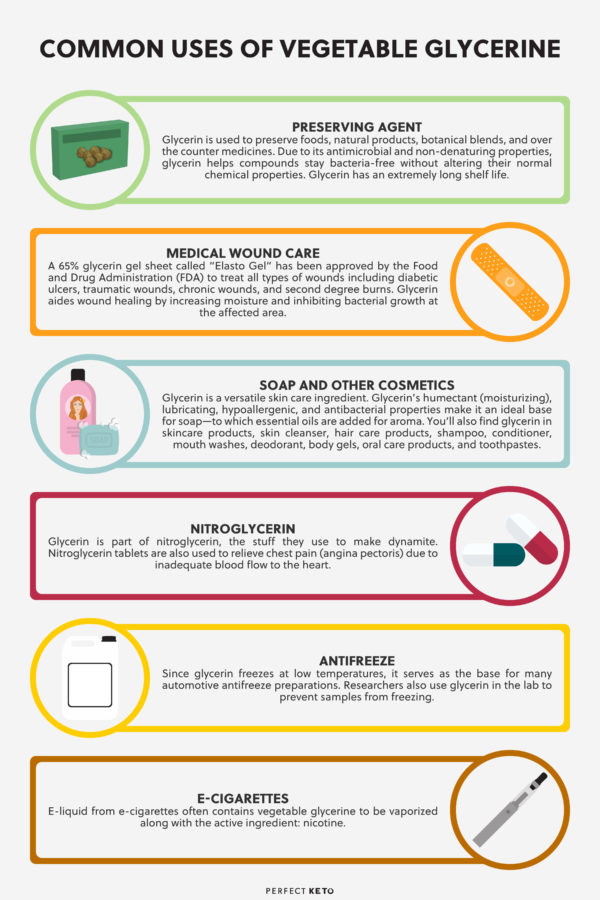
- Cosmetics and skincare products: Vegetable glycerin is a popular ingredient in many skincare products, including moisturizers, creams, and serums.
- Natural remedies for acne and rosacea: The anti-inflammatory and antimicrobial properties of vegetable glycerin make it an effective natural remedy for treating acne and rosacea.
- Skin care for sensitive skin: Vegetable glycerin is gentle enough for sensitive skin, making it an excellent ingredient for soothing and calming irritated skin.
- Hair care for hydration and nourishment: The moisturizing and hydrating properties of vegetable glycerin can help to lock in moisture and promote healthy hair growth.
Creating Your Own Vegetable Glycerin Products
With vegetable glycerin, you can create your own natural skincare and haircare products. Here are a few examples:
- Face Mask: Mix 142g of burdock root with 2 tablespoons of coconut oil, 1 tablespoon of olive oil, and 1 teaspoon of vegetable glycerin. Apply to the face and leave on for 15-20 minutes before rinsing.
- Body Lotion: Combine 2 tablespoons of shea butter, 2 tablespoons of coconut oil, 1 tablespoon of jojoba oil, and 1 teaspoon of vegetable glycerin in a microwave-safe bowl. Heat until smooth, then add 10 drops of your preferred essential oil.
- Hair Mask: Mix 142g of argan oil with 2 tablespoons of coconut oil, 1 tablespoon of olive oil, and 1 teaspoon of vegetable glycerin. Apply to the hair and leave on for 15-20 minutes before rinsing.
Conclusion
Vegetable glycerin is a natural wonder that offers numerous benefits for our skin and hair. Its moisturizing, soothing, and anti-inflammatory properties make it an excellent ingredient for skincare and haircare products. By creating your own products with vegetable glycerin, you can harness its magic to achieve glowing, healthy-looking skin and luscious locks.
Frequently Asked Questions
- What is the pH level of vegetable glycerin?
- The pH level of vegetable glycerin is similar to that of the skin, making it gentle enough for sensitive skin.
- Can I use vegetable glycerin as a substitute for other moisturizers?
- While vegetable glycerin can be used as a moisturizer, it’s recommended to use it in combination with other ingredients for optimal results.
- Is vegetable glycerin safe for all skin types?
- Vegetable glycerin is generally safe for most skin types, but individuals with sensitive skin may need to patch test before using it extensively.
Additional Tips and Precautions
- Always perform a patch test before using vegetable glycerin products to ensure you don’t have any adverse reactions.
- Use high-quality, pure vegetable glycerin to avoid any potential contaminants or additives.
- Avoid using excessive amounts of vegetable glycerin, as it can cause skin irritation or allergic reactions in some individuals.
By incorporating vegetable glycerin into your skincare and haircare routine, you can unlock the magic of this incredible ingredient. With its numerous benefits and uses, vegetable glycerin is an excellent addition to any natural skincare and haircare product.


