
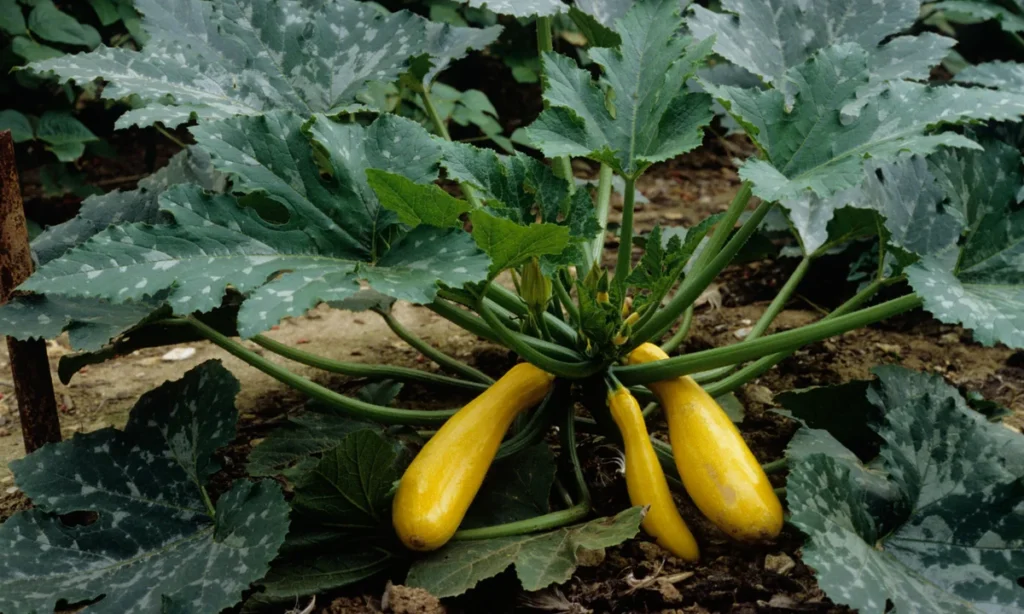
Are you looking for a way to enjoy fresh, homegrown zucchini without the hassle of a large garden? Growing zucchini on your balcony is a great option. With these simple tips, you’ll be harvesting juicy, delicious zucchinis in no time.
Choosing the Right Container
Zucchini love full sun and well-draining soil, so make sure to choose containers that meet these requirements. Look for pots with good drainage holes and place them in a sunny spot on your balcony. The ideal size for each pot is at least 35 cm wide and 20 cm deep. If you’re growing zucchini vines like the popular ‘Trombetta di Albenga’, use pots that are at least 45 cm wide.
When selecting containers, consider the material as well. Plastic or resin containers can be heavy and prone to water damage, while terracotta or ceramic containers allow for better drainage and can help regulate soil temperature. If you’re using a container made of other materials, make sure it has a good amount of drainage holes to prevent waterlogged soil.
Planting Your Zucchini
You can plant zucchini seeds directly into your container from late April to early June. Sow two or three seeds per hole, with the pointed end facing upwards. Alternatively, you can start with seedlings in mid-July and transfer them to their final pots.
When planting zucchini seeds, it’s essential to provide enough space for the roots to grow. Plant the seeds about 2-3 cm deep and 10-15 cm apart, depending on the variety of zucchini. Cover the soil with a thin layer of compost or well-rotted manure to help retain moisture and nutrients.
If you’re starting with seedlings, make sure they are at least 20-30 cm tall before transferring them to their final pots. This will give the roots enough time to develop and the plant enough energy to establish itself in its new container.
Soil Preparation
Before planting, make sure your soil is fertile and well-draining. Add compost or other organic matter to enrich the soil. Avoid using chemical fertilizers or pesticides, as these can harm the environment and contaminate your food.
Zucchini prefer a slightly acidic to neutral soil pH, ranging from 6.0 to 7.0. If your balcony soil is too alkaline or acidic, take steps to adjust it before planting. Test your soil regularly by sending a sample to a local nursery or extension office for analysis.
Watering Your Zucchini
Keep your zucchini plants consistently moist, but avoid getting water on the leaves. Water at the base of the plant instead, making sure the soil is saturated. If your balcony’s drainage system is poor, consider elevating your pots with some wooden stakes.
Zucchini require about 1-2 inches of water per week, either from rainfall or irrigation. Avoid overwatering, which can lead to root rot and other problems. Check the soil moisture by inserting a finger into the soil up to the knuckle; if it feels dry, it’s time to water.
Pest Control
Zucchini are susceptible to pests like aphids and whiteflies. Regularly inspect your plants for any signs of infestation and take action promptly. Use neem oil or insecticidal soap to control these pests, following the manufacturer’s instructions carefully.
The most common pest affecting zucchini is the powdery mildew fungus, which thrives in damp conditions. To prevent this disease, ensure good air circulation around your plants and avoid watering them in the evening to reduce moisture accumulation on the leaves.
Tips and Tricks
- Zucchini can be grown in containers as small as 35 cm wide and 20 cm deep.
- Use a trellis or cage to support zucchini vines like ‘Trombetta di Albenga’.
- Harvest your zucchinis regularly to encourage the plant to produce more.
- Avoid overwatering, which can lead to root rot and other problems.
Frequently Asked Questions
Q: How long does it take for my zucchini plants to mature?
A: With proper care, your zucchini plants should start producing fruit within 40-60 days of planting. Expect a harvest that lasts around two months.
Q: Can I grow zucchini in shallow containers?
A: While it’s technically possible to grow zucchini in shallow containers, they may not produce as many fruits or have the same flavor and texture as those grown in deeper pots.
Q: Are there any specific varieties of zucchini that are well-suited for container growing?
A: Yes, ‘Trombetta di Albenga’ is a popular variety for container growing due to its compact size and high yields.
Q: How often should I fertilize my zucchini plants?
A: Fertilize your zucchini plants regularly with a balanced fertilizer, following the manufacturer’s instructions. You can also side-dress with compost tea or other organic matter to promote healthy growth.
Q: Can I grow zucchini in extremely hot temperatures?
A: While zucchini can tolerate some heat, extreme temperatures above 90°F (32°C) can stress the plant and reduce yields. Provide your plants with some shade or use a reflective mulch to keep them cool.
Q: Are there any diseases that affect zucchini plants?
A: Yes, powdery mildew is one of the most common diseases affecting zucchini plants. Regularly inspect your plants for signs of infection and take action promptly to prevent further damage.
Q: Can I grow zucchini in low-light conditions?
A: While it’s technically possible to grow zucchini in partial shade, they generally require full sun to produce well. If you don’t have a sunny spot on your balcony, consider using grow lights to supplement the natural light.
Q: How do I store my harvested zucchinis?
A: Store your harvested zucchinis in a cool, dry place or refrigerate them immediately to keep them fresh for longer.
Common Mistakes to Avoid
- Overwatering: This can lead to root rot and other problems.
- Underwatering: Zucchini require consistent moisture, especially when they’re producing fruit.
- Lack of sunlight: Zucchini need at least 6 hours of direct sunlight per day to produce well.
- Poor air circulation: This can lead to fungal diseases like powdery mildew.
Harvesting Your Zucchinis
Zucchinis are ready to harvest when they reach a length of about 8-10 inches and have a slightly soft spot at the stem end. Use scissors or a sharp knife to cut the fruit from the plant, leaving about 1 inch of stem attached.
To encourage your zucchini plants to produce more, harvest them regularly. Remove any weak or damaged fruit to prevent it from competing with the rest of the plants for resources.
Varieties of Zucchini
There are many varieties of zucchini to choose from, each with its own unique characteristics and growing requirements. Some popular varieties include:
- ‘Trombetta di Albenga’: A compact, high-yielding variety that produces dark green fruit.
- ‘Costata di Napoli’: A traditional Italian variety that produces long, cylindrical fruit.
- ‘Round Robin’: A bush-type zucchini that produces round, flat fruit.
When selecting a variety of zucchini, consider the space you have available and the amount of time you’re willing to spend on maintenance. Some varieties are more compact or require less pruning than others.
Conclusion
Growing zucchini on your balcony is a fun and rewarding experience. With these simple tips and tricks, you’ll be harvesting juicy, delicious zucchinis in no time. Just remember to choose the right container, plant at the right time, and provide good care for your plants. Happy growing!


