
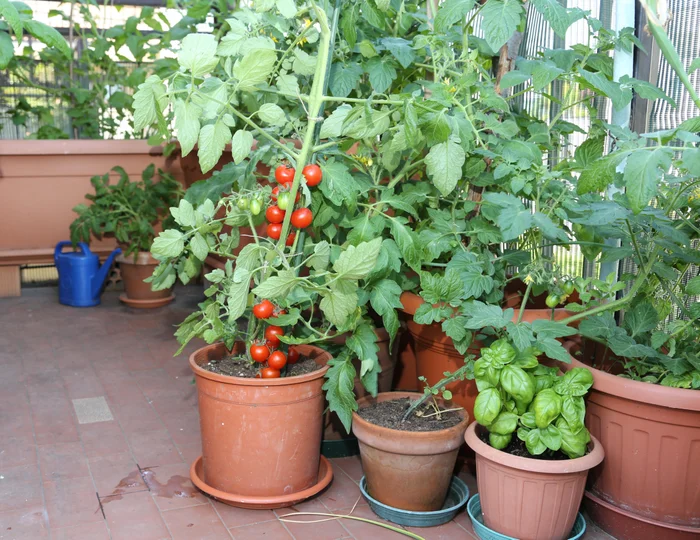
As the old saying goes, “nourishing your family is not just about food, it’s about love.” For Cristina Duca, growing her own produce on her balcony has become a way to share that love with her family and enjoy the benefits of fresh, healthy eating. In this article, we’ll explore the world of balcony gardening, from its history to its practicalities, and provide tips for getting started.
Why Grow Your Own Food on Your Balcony?
Cristina’s husband first suggested growing their own food on the balcony. He pointed out that using violets would be more expensive than using tomatoes. Cristina was won over by his logic and soon found herself planting seeds, soil, and vegetables in her small space. Today, she recommends balcony gardening to many people for several reasons:
- It’s educational for children
- It helps you relax and feel a sense of accomplishment
- You can eat fresh produce right from your own backyard (or rather, balcony)
The Benefits of Balcony Gardening
Growing your own food on your balcony has numerous benefits. For one, it allows you to have control over the quality of the produce that goes into your household. No longer will you have to rely on store-bought fruits and vegetables, which may contain pesticides or other unwanted additives.
In addition to the nutritional benefits, balcony gardening can also be a great way to spend time with family and friends. Whether it’s planting seeds together or harvesting fresh produce as a team, there are countless ways to make this hobby a social one.
How Has Balcony Gardening Changed Cristina’s Life?
The daily routine hasn’t changed much since Cristina started gardening. She still spends the same amount of time watering her plants and tending to them as she did before. However, she does enjoy the added benefit of being able to cook delicious meals using fresh ingredients from her balcony garden.
Cristina’s children love helping out in the garden and learning about different vegetables and herbs. They even have a little ritual where they go outside after breakfast to see if anything has grown overnight. This educational experience is just one of the many benefits of gardening on your balcony.
Tips for Starting Your Balcony Garden
If you’re new to balcony gardening, here are some tips to get you started:
- Choose the right location: Make sure the spot gets plenty of sunlight and has good air circulation.
- Select easy-to-grow plants: Start with herbs or vegetables that are known to thrive in containers.
- Use a good potting mix: This will help retain moisture and nutrients for your plants.
For beginners, it’s best to start small by growing easy-to-grow herbs like basil or mint. These plants are perfect for container gardens because they’re compact and don’t require a lot of space.
What Plants Are Best for Balcony Gardening?
When choosing what plants to grow on your balcony, consider the following factors:
- Climate: Make sure the plant is adapted to your local climate.
- Space: Choose plants that are compact or bushy to make the most of your space.
- Lighting: Select plants that can tolerate partial shade or full sun.
Some popular plants for balcony gardening include:
- Tomatoes
- Peppers
- Cucumbers
- Zucchini
Finding Resources for Balcony Gardening
If you’re new to balcony gardening, there are plenty of resources available online. You can find tutorials, guides, and advice from experienced gardeners who have learned through trial and error. Some popular resources include:
- Online forums and communities
- Social media groups
- Blogs and websites dedicated to balcony gardening
For beginners, it’s best to start with simple plants like basil or mint. These plants are easy to care for and can be harvested in as little as 2-3 weeks.
The Importance of Composting
Composting is an essential part of any gardening routine. By turning food scraps and yard waste into nutrient-rich compost, you can create a natural fertilizer that will help your plants thrive. Here are some tips for composting:
- Start small: Begin with a simple compost bin or pile.
- Add variety: Include a mix of “green” materials (like fruit and vegetable scraps) and “brown” materials (like leaves and twigs).
- Be patient: Composting is a slow process that requires time and patience.
Three Recipes That Use Fresh Produce from the Balcony Garden
Here are three delicious recipes that use fresh produce from the balcony garden:
- Frittata with Zucchini
- Tonnarelli with Basil Pesto
- Pizza with Cicorione
These recipes showcase the flavors and textures of fresh, homegrown ingredients. They’re perfect for a healthy dinner or lunch on a busy day.
Overcoming Common Challenges
Like any hobby, balcony gardening comes with its own set of challenges. Here are some common problems and how to overcome them:
- Pests: Keep an eye out for pests like aphids and whiteflies, and use natural deterrents like neem oil or soap.
- Lack of light: Consider using grow lights or selecting plants that thrive in partial shade.
By following these tips and resources, you’ll be well on your way to enjoying fresh, delicious meals right from your own backyard. Whether it’s a quiet afternoon spent tending to your plants or a busy weeknight dinner made with homegrown ingredients, balcony gardening can bring joy and satisfaction to your life.


