
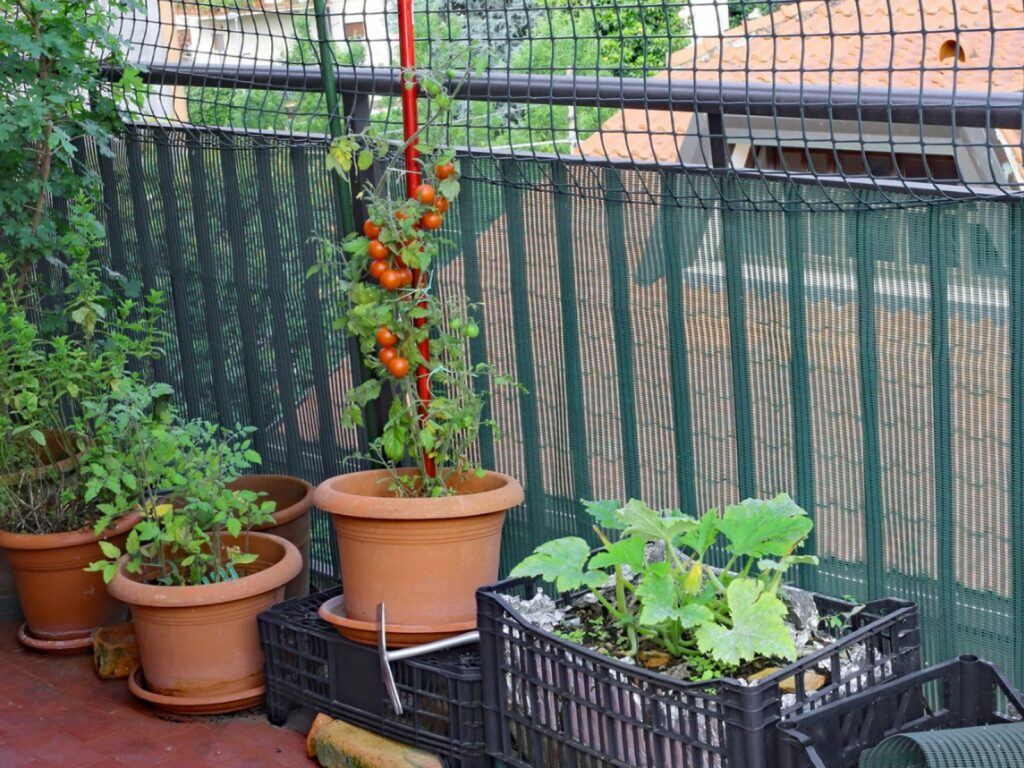
As the trend of growing an indoor garden on your balcony continues to gain popularity, many people are wondering what types of crops they can grow and how to care for them. In this article, we’ll explore the benefits of having a balcony garden, discuss the different options available, and provide tips on how to get started.
The Benefits of Growing a Balcony Garden
Having a balcony garden offers several advantages over traditional gardening methods. For one, it allows you to grow your own food without taking up valuable space in your backyard or community garden. Additionally, balcony gardens can be more cost-effective than buying produce at the grocery store, and they provide a sense of satisfaction and accomplishment that comes from growing your own food.
Another benefit of having a balcony garden is that it can help reduce your carbon footprint. By growing your own fruits and vegetables, you’re reducing your reliance on industrial agriculture and transportation, which can have negative impacts on the environment.
Furthermore, balcony gardens can also serve as a beautiful and tranquil space for relaxation and entertainment. Many people enjoy spending time outdoors, and having a balcony garden can provide a peaceful escape from the hustle and bustle of daily life.
Choosing the Right Crops for Your Balcony Garden
When it comes to choosing crops for your balcony garden, there are several factors to consider. First, think about the amount of sunlight your balcony receives. Most vegetables and fruits require at least six hours of direct sunlight per day, so choose crops that thrive in partial shade or full sun.
Next, consider the temperature range you want to grow your crops in. Some plants prefer cooler temperatures, while others can tolerate heat. Research the specific temperature requirements for each crop to ensure they’ll do well on your balcony.
Additionally, think about the mature size of each plant and how much space it will require. Compact varieties are ideal for small balconies, while larger plants may need more space to grow.
Easy-to-Grow Crops for Beginners
If you’re new to gardening, it’s best to start with easy-to-grow crops that require minimal maintenance. Here are some popular options:
- Basil: A popular herb that grows quickly and easily in temperate climates.
- Prezzemolo: Also known as parsley, this herb is easy to grow and can thrive in partial shade.
- Carrots: While they require deeper soil than other crops, carrots can be grown in shallow containers on your balcony.
- Lettuce: A low-maintenance crop that grows quickly and can tolerate cooler temperatures.
- Rosemary: A hardy herb that prefers well-draining soil and full sun.
Tips for Growing a Successful Balcony Garden
Here are some additional tips to keep in mind when growing a successful balcony garden:
- Use containers with good drainage: Make sure your containers have holes in the bottom to prevent waterlogged soil.
- Provide adequate sunlight: Most crops require at least six hours of direct sunlight per day.
- Water carefully: Overwatering can be detrimental to plants, so make sure to check the soil moisture regularly.
- Fertilize regularly: Use a balanced fertilizer to promote healthy growth and development.
Choosing the Right Tools for Your Balcony Garden
In addition to choosing the right crops, it’s also important to select the right tools for your balcony garden. Here are some essentials:
- Gardening gloves: Protect your hands from thorns and dirt with a pair of gardening gloves.
- Pruning shears: Use pruning shears to trim back plants and maintain their shape.
- Watering can: A watering can is essential for delivering water directly to the roots of your plants.
Common Mistakes to Avoid
Here are some common mistakes to avoid when growing a balcony garden:
- Overwatering: Make sure to check the soil moisture regularly to prevent overwatering.
- Underwatering: Conversely, make sure to water your plants enough to keep them healthy and hydrated.
- Poor air circulation: Make sure to provide adequate air circulation around your plants to prevent disease.
Conclusion
Growing a balcony garden can be a fun and rewarding experience. By choosing the right crops, providing adequate sunlight and water, and using the right tools, you can enjoy a bountiful harvest of fresh fruits and vegetables. Remember to avoid common mistakes like overwatering and poor air circulation, and don’t be afraid to experiment with new crops and techniques.
Frequently Asked Questions
- What is the best way to start a balcony garden?
Begin by choosing the right crops for your climate and balcony conditions. Select containers with good drainage, and provide adequate sunlight and water. - How often should I water my plants?
Check the soil moisture regularly, and adjust your watering schedule accordingly. Avoid overwatering, which can lead to root rot and other problems. - What are some common pests that affect balcony gardens?
Common pests include aphids, whiteflies, and spider mites. Use organic pest control methods whenever possible to minimize harm to beneficial insects. - How do I protect my plants from extreme temperatures?
Provide shade for plants during hot summer days, and bring them indoors during cold winter months to protect them from frost damage. - Can I grow a balcony garden in a small space?
Yes! Even small spaces can be converted into productive gardens with the right containers and crops. Choose compact varieties of fruits and vegetables that require minimal space.
By following these tips and avoiding common mistakes, you can enjoy a thriving and productive balcony garden. Happy gardening!
Growing a successful balcony garden requires careful planning and attention to detail. By choosing the right crops, providing adequate sunlight and water, and using the right tools, you can enjoy a bountiful harvest of fresh fruits and vegetables.
In addition to these tips, there are several other factors to consider when growing a balcony garden:
- Soil quality: The type of soil you use for your containers is crucial. Choose a well-draining potting mix that is rich in nutrients.
- Container size: Make sure your containers are large enough to hold the mature size of each plant.
- Support: Some plants require support as they grow, such as tomatoes or peas. Provide stakes or trellises for these plants.
By considering these factors and following the tips outlined above, you can create a thriving and productive balcony garden that provides fresh fruits and vegetables all year round.


