
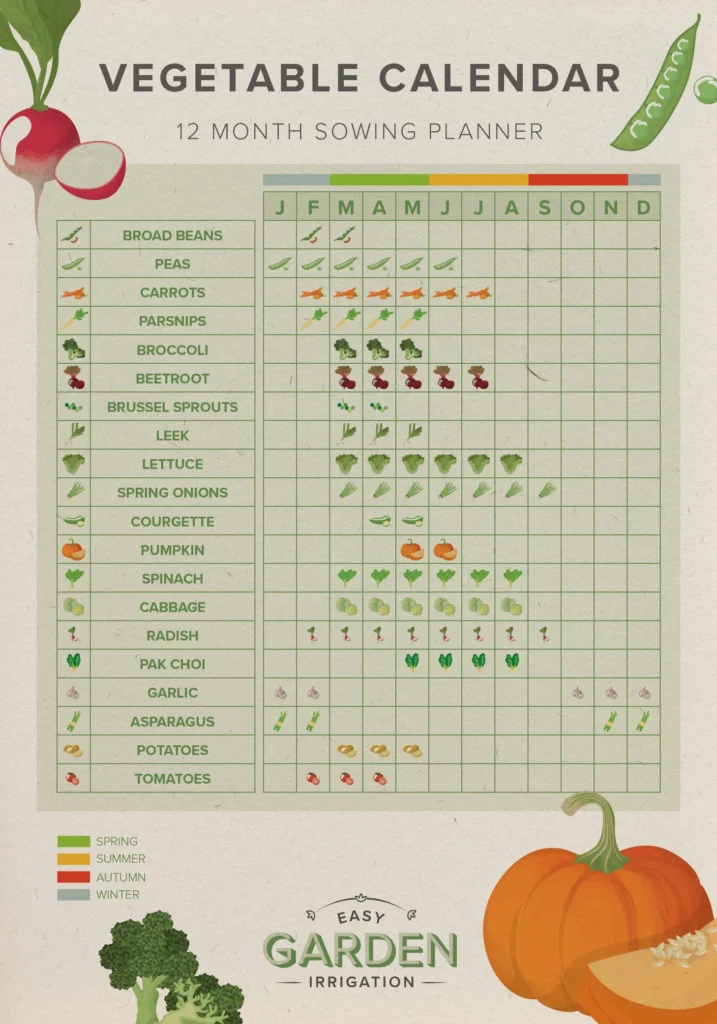
As the last wisps of winter’s chill dissipate, our gardens awaken from their slumber, ready to embark on a new cycle of growth and renewal. For many gardeners, March is a time of excitement and anticipation, as they prepare to plant and transplant a variety of crops that will thrive in the warmer temperatures. But with so many plants to choose from, it can be overwhelming to determine which ones are best suited for your region and climate.
Timing is Everything
When it comes to planting, timing is crucial. Some seeds may not germinate if the temperature drops too low, while others may bolt or become spindly if planted too early. This is why it’s essential to check the specific planting times for your area and adjust accordingly. For those who live in Central and Northern Italy, March is a great time to start growing again, but this may not be the case for regions with colder winters.
Climate Considerations
The climate plays a significant role in determining which plants can thrive in your garden during March. If temperatures are below 18°C (64°F) or above 23°C (73°F), some plants may not grow well. This is why it’s vital to consider the local weather forecast and adjust your planting schedule accordingly.
Planting Aromatics
March is an excellent time to plant aromatic herbs like basil and garlic, which are renowned for their culinary and medicinal properties. Garlic, in particular, can be planted with the same cloves used in cooking, adding a touch of convenience to this versatile ingredient.
Garlic Planting Tips
If you live in Northern Italy, it’s best to delay planting garlic until April, as it prefers temperatures between 18°C (64°F) and 23°C (73°F). Regardless of your location, make sure to plant garlic on the fifth day before the full moon or the first day after the new moon. This lunar timing is believed to enhance the plant’s natural growth patterns.
Planting Basil
Basil is another popular herb that can be planted in March, either from seed or with already germinated seeds. As soon as the first leaves appear, transplant the basil into a pot or water it regularly. Once the soil is dry, wait for another irrigation cycle before planting again. This process can be repeated multiple times, allowing you to enjoy a continuous supply of fresh basil throughout the spring.
Planting Lettuce
Lettuce is an excellent choice for March planting, as it can be sown in pots or directly in the ground. If you don’t mind a bit of mess, sow lettuce seeds at random, ensuring 25-30 cm (10-12 inches) between each plant. Water lightly and wait for about a month, when lettuces will sprout, and you’ll need to transplant them into a pot or directly into the garden.
Transplanting: A Great Option
March is also an excellent time to transplant a variety of plants, including potatoes, spring and summer cabbage, garlic, onion, lettuce (varieties like ‘cappuccio’), and shallots. If you have a greenhouse or protected area, you can also plant warm-season crops like melons, cucumbers, zucchini, and eggplant.
Greenhouse Gardening in March
In a well-protected greenhouse or sunroom, you can start planting warm-season crops like:
- Melon
- Cucumber
- Zucchini
- Squash
- Eggplant
However, keep in mind that even with proper protection, the climate outside may still be too dry or too cold for some plants. This is why it’s essential to monitor weather conditions and adjust your planting schedule accordingly.
Planting in Different Climate Zones
Italy has different climate zones, ranging from Central and Northern regions to Southern Italy. If you live in a region with colder winters, such as Northern Italy, you may need to delay planting until April. Conversely, Southern Italy can start planting earlier, but always check the local weather forecast before sowing seeds or transplanting plants.
Soil Preparation
Before planting, make sure your soil is ready for the new growing season. Add organic matter like compost or manure to improve soil structure and fertility. This will help ensure healthy growth and prevent nutrient deficiencies.
Crop Selection
When choosing which crops to plant in March, consider factors like climate, soil type, and moisture levels. Some crops are better suited for cooler temperatures, while others prefer warmer weather. Research the specific needs of each crop to ensure you’re planting the right varieties for your region.
Pest and Disease Management
March is also a great time to address pest and disease issues in your garden. Inspect your plants regularly for signs of infestation or infection, and take action promptly to prevent damage. Use organic methods whenever possible, such as introducing beneficial insects or using neem oil, to minimize harm to the environment.
Conclusion
As we welcome the arrival of spring, our gardens become a vibrant tapestry of life and growth. By understanding the specific planting times for your region and climate, you’ll be well on your way to creating a thriving oasis that will delight you throughout the growing season. Remember to consider factors like temperature, soil quality, and moisture levels when choosing which plants to plant in March.
Frequently Asked Questions
Q: What is the best time to plant garlic?
A: Garlic can be planted on the fifth day before the full moon or the first day after the new moon, regardless of your location.
Q: Can I transplant lettuce directly into the ground?
A: Yes, you can sow lettuce seeds in pots or directly in the ground, but make sure to water lightly and maintain 25-30 cm (10-12 inches) between each plant.
Q: What are some warm-season crops that can be planted in a greenhouse?
A: Melons, cucumbers, zucchini, squash, and eggplant are all excellent options for planting in a well-protected greenhouse or sunroom.
Q: Can I transplant plants during March if they’re not suitable for the climate?
A: While some plants may tolerate warmer temperatures, others may bolt or become spindly. It’s essential to monitor weather conditions and adjust your planting schedule accordingly.
Q: How often should I water my basil plant?
A: Water your basil regularly, making sure the soil is dry between irrigation cycles to prevent root rot and encourage healthy growth.
Q: Can I grow lettuce in a greenhouse with limited natural light?
A: While lettuce typically prefers direct sunlight, you can still grow it in a greenhouse with limited natural light by using grow lights or supplementing with artificial lighting.
Q: How do I determine which plants are suitable for my region and climate?
A: Research the specific planting times for your area and consider factors like temperature, soil quality, and moisture levels when choosing which plants to plant.
Q: Can I transplant seedlings from indoors to outdoors in March?
A: Yes, you can transplant seedlings from indoors to outdoors once they have developed their first set of leaves. Harden off the seedlings by gradually exposing them to outdoor conditions over a period of 7-10 days before planting.
Q: What are some common mistakes gardeners make when planting in March?
A: Some common mistakes include planting too early, ignoring weather forecasts, and not considering factors like soil quality and moisture levels.


