
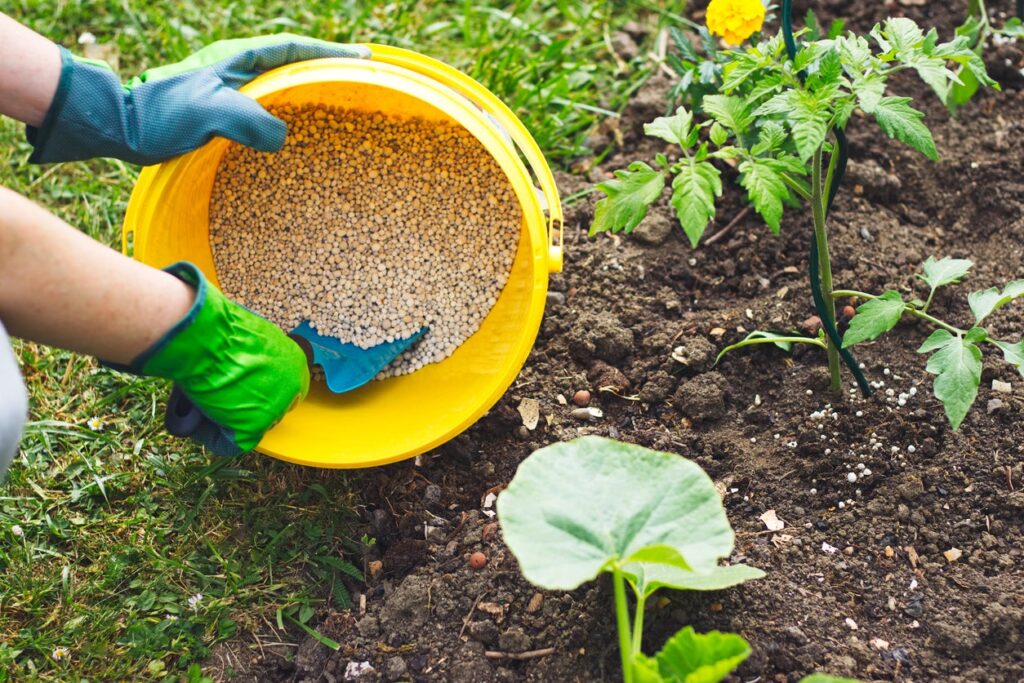
As a gardener, you’ve likely heard the old adage “fertilize your vegetables regularly.” But is this advice always true? In reality, over-fertilization can be detrimental to your plants, causing more harm than good. Let’s dive into the world of vegetable fertilization and explore when and how to give your garden a boost.
The Benefits of Fertilizing
Fertilizing your vegetables can provide several benefits, including:
- Promoting healthy growth and development
- Increasing yields and fruit production
- Enhancing flavor and nutritional value
However, it’s essential to strike the right balance. Over-fertilization can lead to an overabundance of nutrients in the soil, which can be detrimental to your plants.
When Not to Fertilize
Before we dive into when to fertilize, let’s cover some key considerations:
- Avoid fertilizing during periods of drought: If your garden is experiencing a dry spell, it’s best to wait until the soil has replenished its moisture before applying fertilizer. This ensures that your plants can absorb the nutrients effectively.
- Don’t fertilize in cold weather: Fertilization can be slowed down or even halted in cold temperatures, which can lead to poor plant growth and development.
The Best Time to Fertilize
Now that we’ve covered when not to fertilize, let’s explore the best times to give your garden a boost:
- Choose the right fertilizer: Select a balanced fertilizer that provides equal amounts of nitrogen (N), phosphorus (P), and potassium (K).
- Consider your plant’s specific needs: Different vegetables have unique requirements when it comes to fertilization. Research which fertilizers are best for each type of vegetable in your garden.
- Timing is everything: Fertilize your vegetables at the right time to maximize their growth potential.
Fertilizing Different Vegetables
Here’s a breakdown of when to fertilize various types of vegetables:
Spring Vegetables
- Broccoli and cauliflower: 3-4 weeks after transplanting
- Cabbage and Brussels sprouts: 4-6 weeks after transplanting
- Kale and spinach: 2-3 weeks after transplanting
Summer Vegetables
- Tomatoes: 2-3 weeks after transplanting, when plants are around 12 inches tall
- Peppers and cucumbers: 1-2 weeks after transplanting
- Squash and zucchini: 1-2 weeks after planting
Fall Vegetables
- Carrots and beets: 4-6 weeks before the first frost
- Lettuce and spinach: 2-3 weeks before the first frost
Frequently Asked Questions
Here are some frequently asked questions about fertilizing your vegetable garden:
Q: How often should I fertilize my vegetables?
A: The frequency of fertilization depends on the type of vegetable, soil quality, and climate. Research specific recommendations for each plant.
Q: What is the best fertilizer to use?
A: Choose a balanced fertilizer that provides equal amounts of nitrogen, phosphorus, and potassium.
Q: Can I use synthetic fertilizers?
A: While synthetic fertilizers can provide quick results, they often contain harsh chemicals that can harm your plants and soil. Opt for organic or natural fertilizers instead.
Q: How do I know if my vegetables are receiving enough nutrients?
A: Keep an eye on the color, texture, and growth of your vegetables. If they’re not thriving, it may be a sign that they need more nutrients.
Additional Tips
Here are some additional tips to keep in mind when fertilizing your vegetable garden:
- Soil testing: Test your soil regularly to determine its nutrient levels and pH.
- Composting: Use compost as a natural fertilizer source.
- Mulching: Mulch around plants to retain moisture and suppress weeds.
By understanding when and how to fertilize your vegetable garden, you’ll be able to promote healthy growth, increase yields, and enjoy a bountiful harvest all season long!
Common Fertilizer Mistakes
Here are some common fertilizer mistakes to avoid:
- Over-fertilizing: Avoid applying too much fertilizer, as this can lead to nutrient imbalances and harm your plants.
- Using high-nitrogen fertilizers on vegetables: Nitrogen is essential for growth, but excessive amounts can promote leafy green growth at the expense of fruit production.
- Not considering soil pH: Make sure to choose a fertilizer that matches your soil’s pH level to avoid nutrient deficiencies.
By avoiding these common mistakes and following our guidelines, you’ll be well on your way to creating a thriving and productive vegetable garden.


