
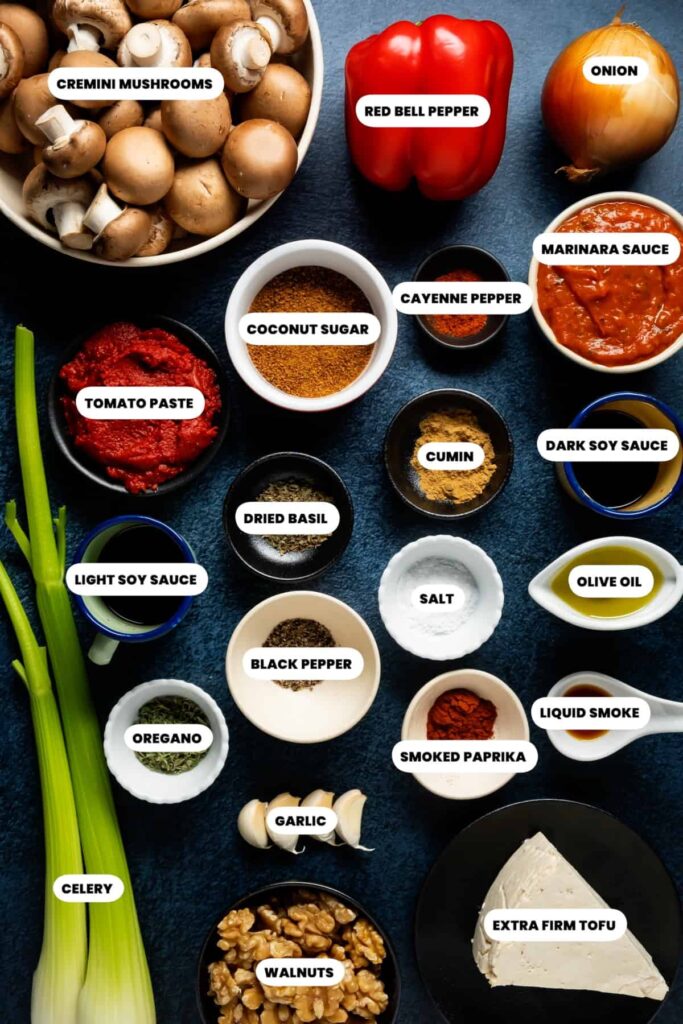
As we delve into the realm of vegan cuisine, it’s essential to understand that plant-based eating is not a one-dimensional diet consisting only of vegetables and salads. The vegan lifestyle is rich in variety and includes a wide range of nutritious and delicious ingredients.
The Diversity of Vegan Ingredients: Breaking Down the Options
In this article, we will explore various vegan alternatives to common animal-derived ingredients, from dairy products to sweets. We’ll examine the options available, highlighting their benefits and unique characteristics.
1. Vegan Butters and Oils
When it comes to substituting butter in cooking, there are several plant-based alternatives that can provide similar texture and flavor. Oils like coconut oil, olive oil, and avocado oil can be used as a substitute for butter. Moreover, vegetable-based margarines can also be used, but it’s essential to choose those that are free from artificial additives and hydrogenation.
- Coconut oil: This versatile oil is high in saturated fats, which provide a rich flavor and texture to baked goods, sauces, and stir-fries.
- Olive oil: Packed with antioxidants and healthy fats, olive oil is an excellent choice for salad dressings, marinades, and roasted vegetables.
- Avocado oil: Mildly flavored and high in heart-healthy monounsaturated fats, avocado oil is perfect for grilling, sautéing, and making vinaigrettes.
2. Sweet Treats: Vegan Chocolate and Desserts
Vegan chocolate is an excellent option for satisfying your sweet tooth without compromising on animal welfare. Dark chocolate, in particular, is rich in antioxidants and can be a great addition to various desserts. Gelato is another popular dessert that can be easily made vegan by using plant-based milks like soy milk or coconut milk.
- Vegan dark chocolate: Made from cocoa beans and sugar, vegan dark chocolate is a healthier alternative to traditional dark chocolate.
- Soy ice cream: A creamy and rich substitute for traditional ice cream, soy ice cream is available in various flavors and can be made at home using a blender and frozen fruit.
- Coconut milk-based desserts: These desserts are perfect for those looking for dairy-free alternatives. From puddings to custards, coconut milk adds a rich texture and flavor.
3. The Art of Vegan Baking: Ingredients to Know
When it comes to baking, there are several vegan-friendly ingredients that can enhance your creations. Sweeteners like maple syrup, honey-free agave nectar, and date syrup can add a rich flavor to your baked goods. Additionally, flours made from alternative grains like almond flour or coconut flour can provide a unique texture.
- Almond flour: Made from ground almonds, almond flour is high in protein and low in carbs, making it an excellent choice for gluten-free baking.
- Coconut flour: High in fiber and protein, coconut flour absorbs liquid well, making it perfect for baked goods like cakes, muffins, and breads.
- Agave nectar: A natural sweetener made from the agave plant, agave nectar is low on the glycemic index and adds a rich flavor to baked goods.
4. Savory Delights: Vegan Pantry Staples
In addition to sweet treats, vegan cuisine also offers a wide range of savory dishes that are just as delicious. Ingredients like nutritional yeast, which has a cheesy flavor, and tamari, a gluten-free soy sauce alternative, can add depth and umami flavor to your cooking.
- Nutritional yeast: This popular ingredient is made from fermented yeast and adds a nutty, cheesy flavor to soups, salads, and sauces.
- Tamari: A gluten-free soy sauce alternative, tamari is rich in antioxidants and adds a savory flavor to stir-fries, marinades, and salad dressings.
- Vegan Worcestershire sauce: Made from plant-based ingredients like tamarind and molasses, vegan Worcestershire sauce adds a tangy, umami flavor to sauces and marinades.
5. The Importance of Vegan Pantry Essentials
To create a well-stocked vegan pantry, it’s essential to include staples like vegan-friendly oils, vinegars, and spices. Some other essentials include nutritional yeast, miso paste, and tomato paste, which can be used in various dishes to add flavor.
- Vegan-friendly oils: Avocado oil, grapeseed oil, and coconut oil are all great options for sautéing, roasting, and making salad dressings.
- Vinegars: Apple cider vinegar, balsamic vinegar, and rice vinegar can add a tangy flavor to salads, marinades, and sauces.
- Spices: Cumin, coriander, and paprika are all versatile spices that can add depth and warmth to various dishes.
6. Substituting Eggs in Baking: Options and Alternatives
Eggs can be a challenging ingredient to replace in baking, but there are several alternatives that can provide similar texture and structure. Flaxseed eggs, chia seed eggs, and aquafaba (the liquid from canned chickpeas) are popular options for vegan bakers.
- Flaxseed egg: Made by mixing ground flaxseed with water, flaxseed eggs add a gel-like texture to baked goods.
- Chia seed egg: Similar to flaxseed eggs, chia seeds can be mixed with water to create a gel-like substitute for eggs.
- Aquafaba: The liquid from canned chickpeas, aquafaba can be used as an egg substitute in meringues, cakes, and mayonnaise.
7. The Power of Plant-Based Milks
Plant-based milks like soy milk, almond milk, and coconut milk are excellent alternatives to dairy milk in cooking and baking. They offer a range of benefits, including reduced saturated fat content and increased nutrient density.
- Soy milk: High in protein and isoflavones, soy milk is an excellent choice for those looking for a dairy-free alternative.
- Almond milk: Low in calories and rich in vitamins, almond milk is perfect for cereal, smoothies, and baking.
- Coconut milk: High in saturated fats and low in carbs, coconut milk adds a rich texture and flavor to soups, curries, and desserts.
8. Understanding Vegan Yeast: A Game-Changer for Bakers
Vegan yeast is an essential ingredient for vegan bakers, as it allows for the fermentation of sugars without animal products. This ingredient can be used to make a wide range of breads, pastries, and other baked goods.
- Active dry yeast: This type of yeast is commonly found in most supermarkets and can be used to make bread, pizza dough, and other baked goods.
- Instant yeast: A more concentrated form of active dry yeast, instant yeast is perfect for making rapid-rise breads and quick doughs.
- Nutritional yeast: While not primarily used as a leavening agent, nutritional yeast has a nutty, cheesy flavor that can enhance the taste of vegan breads.
9. The Magic of Miso Paste: Enhancing Flavor and Nutrition
Miso paste is a fermented soybean paste that offers a rich source of probiotics and antioxidants. It’s an excellent addition to various dishes, including soups, stews, and stir-fries.
- Miso paste: Made from fermented soybeans, miso paste has a rich umami flavor and adds depth to soups, stews, and sauces.
- Tamari: A gluten-free soy sauce alternative, tamari can be used in place of miso paste for added savory flavor.
- Nama shoyu: A type of Japanese soy sauce, nama shoyu is made from fermented soybeans and offers a rich umami flavor.
10. The Importance of Reading Labels: A Guide to Vegan-Friendly Products
When shopping for packaged goods, it’s essential to read labels carefully to ensure they meet vegan standards. Look for certifications like the Vegan Society logo or PETA-approved products.
- Vegan Society logo: This certification ensures that a product is free from animal-derived ingredients and by-products.
- PETA-approved products: Look for these products on PETA’s website, which offers a range of vegan-friendly options for food, cosmetics, and household items.
11. Exploring International Cuisine: Vegan Options from Around the World
Vegan cuisine is diverse and can be found in many international dishes. Explore options like Indian curries, Middle Eastern falafel, and Mexican tacos to discover new flavors and ingredients.
- Indian curries: Made with a variety of spices and plant-based proteins, Indian curries offer a rich and complex flavor profile.
- Middle Eastern falafel: A crispy, flavorful street food made from chickpeas and herbs, falafel is a staple of Middle Eastern cuisine.
- Mexican tacos: Perfect for those looking for a flavorful and filling meal, vegan tacos can be filled with plant-based proteins like beans, vegetables, and grains.
12. The Rise of Plant-Based Meat Alternatives
Plant-based meat alternatives are becoming increasingly popular, offering a convenient and sustainable option for vegans and non-vegans alike. From burgers to sausages, these alternatives can be used in place of traditional meat products.
- Vegan burgers: Made from plant-based proteins like beans, vegetables, and grains, vegan burgers offer a flavorful and filling alternative.
- Tofu and tempeh: These plant-based protein sources are often used as alternatives to meat in international cuisine.
- Seitan: A type of wheat gluten, seitan is used to make a variety of plant-based meat alternatives.
13. The Benefits of Veganism
Veganism offers a range of benefits for individuals and the environment. From reduced saturated fat content to lower greenhouse gas emissions, veganism can have a positive impact on our health and the planet.
- Reduced saturated fat content: Plant-based diets like veganism often feature lower levels of saturated fats than traditional meat-based diets.
- Lower greenhouse gas emissions: Animal agriculture is a significant contributor to greenhouse gas emissions; plant-based diets like veganism can help reduce these emissions.
- Improved heart health: Vegan diets have been shown to improve cardiovascular health by reducing triglycerides and cholesterol levels.
14. Conclusion
In conclusion, vegan cuisine offers a wide range of benefits for individuals and the environment. From reduced saturated fat content to lower greenhouse gas emissions, plant-based diets like veganism can be a healthy and sustainable choice. Whether you’re looking to improve your heart health or reduce your environmental impact, veganism is an excellent option to consider.
15. Further Resources
For those interested in learning more about vegan cuisine and the benefits of a plant-based diet, there are numerous resources available. From cookbooks and recipe websites to online communities and forums, getting started with veganism has never been easier.
- Cookbooks: There are many wonderful cookbooks available that offer a range of vegan recipes and cooking techniques.
- Recipe websites: Websites like Oh My Veggies and The Full Helping offer a wide range of delicious and easy-to-make vegan recipes.
- Online communities: Joining online forums or social media groups dedicated to veganism can be an excellent way to connect with other vegans, share recipes, and get advice.
By incorporating more plant-based meals into your diet, you’ll not only improve your health but also contribute to a more sustainable food system.


