
Introduction
When it comes to salads, people often think of lettuce as just an ingredient. However, there are many different types of lettuce that can be grown in your garden or indoor space, each with its unique characteristics and uses. In this article, we’ll delve into the world of lettuce, exploring the various varieties, their growing conditions, and tips on how to plant and enjoy them.
What is Lettuce?
Lettuce is a type of leafy green vegetable that belongs to the Asteraceae family. It’s often confused with other types of greens, but technically, it’s a member of its own species, Lactuca sativa. There are many different varieties of lettuce, each with its unique appearance, texture, and flavor.
Types of Lettuce
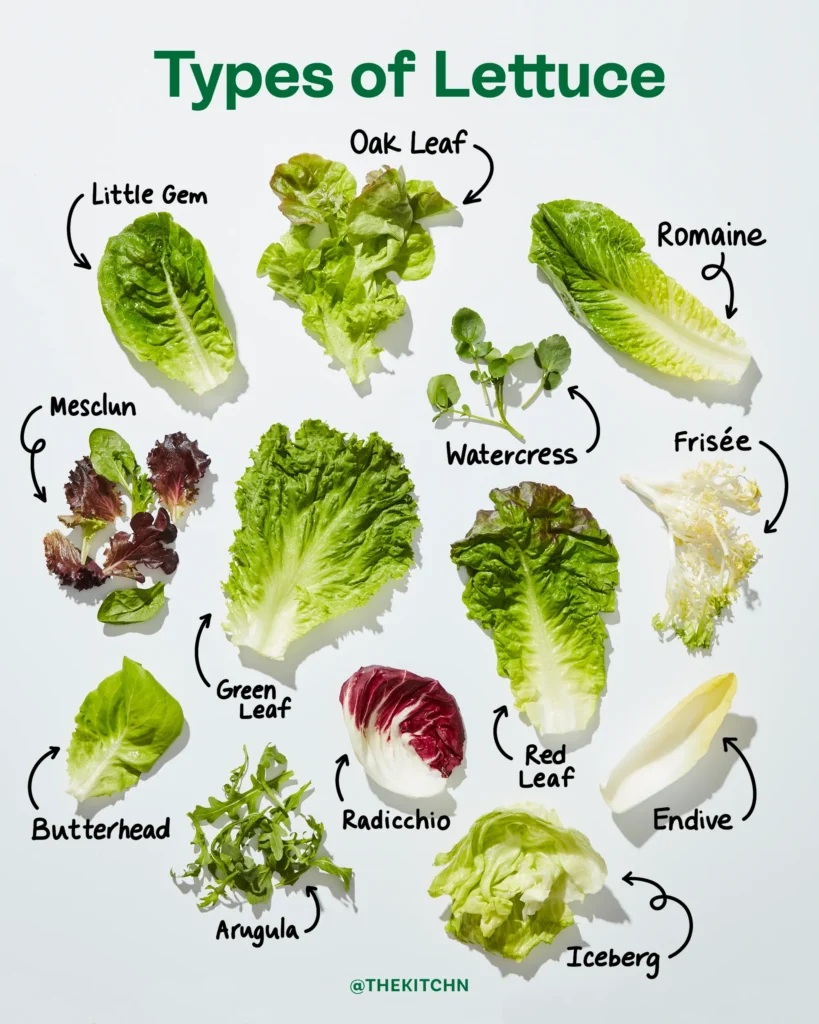
There are numerous types of lettuce to choose from, including:
- Iceberg Lettuce: Known for its crunchy leaves and mild flavor, iceberg lettuce is a popular choice for salads.
- Lettuce Liscia (Novellina): This variety has smooth, flat leaves that grow in a rosette pattern.
- Roma Lettuce (Spadona): Also known as “Romanesco” or “Romanesco cauliflower”, this type of lettuce has a distinctive appearance with long, thin leaves and many ridges.
- Bionda Lettuce: This variety has pale green, tender leaves that are similar to the ones found in Romanesco lettuce.
- Buttercrunch Lettuce: With its buttery, tender leaves and delicate flavor, Buttercrunch lettuce is a favorite among salad enthusiasts.
- Red Leaf Lettuce: Featuring deep red or purple-tinged leaves, Red Leaf lettuce adds a pop of color to any salad.
- Loose-Leaf Lettuce: This type of lettuce has leaves that are more loose and open than the others, with a delicate, sweet flavor.
Growing Your Own Lettuce
Lettuce is relatively easy to grow indoors or outdoors. Here are some tips for planting and caring for your lettuce crop:
- Choose a sunny location with well-drained soil: Lettuce requires full sun to partial shade, depending on the variety.
- Sow seeds about 1-2 inches apart: The ideal spacing will vary depending on the type of lettuce you’re growing. Some varieties can be sown closer together, while others may require more space.
- Keep the soil consistently moist but not waterlogged: Lettuce is sensitive to overwatering and root rot. Make sure the soil drains well and isn’t too wet or soggy.
- Fertilize regularly with a balanced fertilizer: A balanced fertilizer will provide your lettuce crop with essential nutrients for healthy growth.
Seasonal Varieties
Some types of lettuce are better suited to certain seasons. For example:
- Spring and Summer Lettuce: These varieties thrive in warm weather and can be planted as early as March or April, depending on your location.
- Fall and Winter Lettuce: These varieties are better suited to cooler temperatures and can be planted in the fall or early winter.
Protecting Your Lettuce Crop
Lettuce is sensitive to extreme temperatures, wind, and pests. To protect your crop:
- Cover the soil with a row cover or other protective material during periods of high risk: Row covers will keep pests like aphids and slugs at bay while also protecting your lettuce from harsh winds.
- Use organic pest control methods whenever possible: Instead of using chemical pesticides, try using natural methods to deter pests like neem oil or diatomaceous earth.
- Keep the area around your lettuce plants weed-free: Weeds can compete with your lettuce for water and nutrients. Make sure to regularly remove weeds to ensure a healthy and thriving crop.
Tips for Harvesting Lettuce
Lettuce is ready to harvest when the leaves are young and tender. Here are some tips for harvesting your lettuce crop:
- Harvest individual leaves or the entire head: Depending on the variety, you can harvest individual leaves or the entire head of lettuce.
- Use scissors or pinch off leaves with your fingers: To avoid damaging the plant, use scissors to cut off individual leaves or pinch off leaves with your fingers.
- Harvest regularly to encourage new growth: Harvesting regular will encourage new growth and prevent the plant from flowering.
Conclusion
Growing your own lettuce can be a fun and rewarding experience. With so many different varieties to choose from, you’re sure to find one that suits your taste preferences. Whether you prefer crunchy iceberg or delicate Bionda lettuce, there’s a type of lettuce out there for you. So go ahead, get planting, and enjoy the fresh flavors of homegrown lettuce!
FAQs
- What is the best way to store lettuce?
Lettuce should be stored in the refrigerator at a consistent temperature below 40°F (4°C). You can also wrap individual leaves or the entire head of lettuce in plastic wrap or aluminum foil to keep it fresh for longer. - How long does it take for lettuce to grow?
Lettuce typically takes 20-30 days to mature from seed, depending on the variety and growing conditions. - Can I grow lettuce indoors?
Yes, lettuce can be grown indoors using grow lights or under fluorescent lighting. Make sure to provide adequate ventilation and keep the soil consistently moist to ensure healthy growth. - What is the difference between iceberg and romaine lettuce?
Iceberg lettuce has a milder flavor and crunchy texture, while romaine lettuce has a stronger flavor and chewier texture. Both varieties are popular for salads and other dishes. - Can I use lettuce as a natural remedy for health issues?
While lettuce contains some nutrients and antioxidants, there’s limited scientific evidence to support its use as a treatment for specific health conditions. Always consult with a healthcare professional before using any food or supplement for medicinal purposes. - How do I prevent pests from eating my lettuce crop?
Use organic pest control methods such as neem oil or diatomaceous earth to deter pests like aphids and slugs. Keep the area around your lettuce plants weed-free, and use row covers to protect your crop from extreme weather conditions.


