
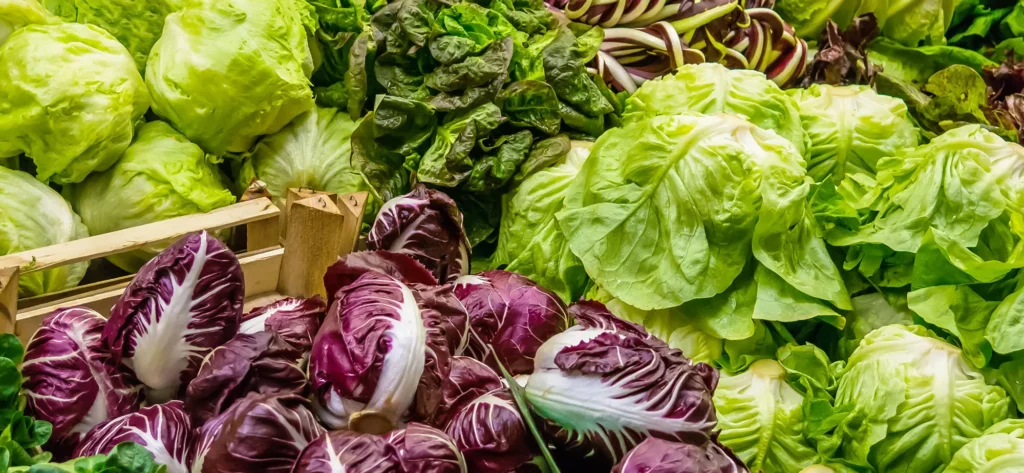
As a gardener, you’re likely familiar with the many varieties of chicory that can be grown for its delicious leaves and roots. But have you ever wondered what makes chicory so special? In this article, we’ll delve into the world of chicory, exploring its history, types, growing conditions, and harvesting techniques.
What is Chicory?
Chicory is a type of leafy green vegetable that belongs to the daisy family. It’s a hardy crop that can thrive in various climates and soil types, making it an excellent choice for gardeners of all levels. There are many varieties of chicory, each with its unique characteristics and uses.
Types of Chicory
There are two main types of chicory: those that can be harvested by cutting the entire plant (cuttings) and those that produce smaller leaves (harvested as greens). Let’s take a closer look at some popular varieties:
- Cicoria Variegata di Chioggia: This variety is also known as radicchio, and it has distinctive red and white stripes. It’s a cool-season crop that can be grown in temperate climates.
- Cicoria Zuccherina di Trieste: This type of chicory is a popular choice for salads and other dishes due to its mild flavor and crunchy texture. It’s also known as sugar beet chicory.
- Grumolo Biondo, Grumolo Rosso, e Grumolo Verde: These three varieties are well-suited for small gardens and can be harvested as greens.
Growing Chicory: Tips and Tricks
Before you start growing your own chicory, here are a few things to keep in mind:
- Climate: Chicory is a cool-season crop that thrives in temperate climates. It’s best grown in areas with moderate temperatures and adequate moisture.
- Soil: Chicory prefers well-draining soil with a pH between 6.0 and 7.0.
- Sowing: Sow chicory seeds directly into the ground in late spring or early summer, depending on your location.
Harvesting Chicory: When and How
Chicory can be harvested at different stages of maturity, depending on the variety and intended use. Here are some tips for harvesting chicory:
- Cuttings: Cut off the entire plant when it reaches 12-18 inches tall, usually in late summer or early fall.
- Greens: Harvest individual leaves as needed, or wait until they reach 6-8 inches tall before cutting them off.
Where to Buy Chicory Seeds
With so many varieties of chicory available, where can you find the seeds you need? Here are a few options:
- Amazon: Amazon offers an extensive selection of chicory seeds from various sellers.
- Vivai e garden center specializzati: Visit local nurseries or garden centers to purchase chicory seeds and learn more about growing this versatile crop.
Common Pests and Diseases
Like any other plant, chicory can be susceptible to pests and diseases. Here are a few common issues to watch out for:
- Aphids: Aphids are small, soft-bodied insects that feed on the sap of plants. They can spread disease and weaken the plant.
- Slugs and snails: Slugs and snails are nocturnal pests that feed on leaves and stems.
- Fungal diseases: Fungal diseases such as powdery mildew and rust can affect chicory.
How to Prevent Common Pests and Diseases
Here are some tips for preventing common pests and diseases:
- Use physical barriers: Use row covers or fine mesh to prevent aphids, slugs, and snails from reaching the plants.
- Spray with water: Spray the plants regularly to prevent fungal diseases.
- Maintain healthy soil: Keep the soil well-draining and rich in organic matter to prevent fungal diseases.
Conclusion
Chicory is a wonderful addition to any garden, offering delicious leaves and roots that can be used in a variety of dishes. By following these guidelines and tips, you’ll be well on your way to growing and harvesting your own chicory. Whether you’re a seasoned gardener or just starting out, chicory is sure to become a favorite among you.
Frequently Asked Questions
- What is the best time to plant chicory seeds?
- The ideal time to sow chicory seeds depends on your location and climate. In general, it’s best to plant in late spring or early summer.
- How often should I water my chicory plants?
- Chicory requires consistent moisture, especially during the first few weeks after sowing. Water your plants deeply once or twice a week, depending on weather conditions.
- Can I grow chicory in containers?
- Yes, chicory can be grown in containers! Choose a container with good drainage and sow the seeds about 1/8 inch deep. Keep the soil consistently moist, but avoid overwatering.
- How long does it take for chicory to mature?
- The time it takes for chicory to mature depends on the variety and growing conditions. Some types of chicory can be harvested in as little as 6-8 weeks, while others may take up to 12 weeks or more.
- Can I grow chicory indoors?
- Chicory prefers full sun and well-draining soil, making it difficult to grow indoors. However, you can try growing chicory in a sunny windowsill or under grow lights.
By following these guidelines and tips, you’ll be able to grow and harvest delicious chicory leaves and roots for years to come. Happy gardening!


