
Introduction
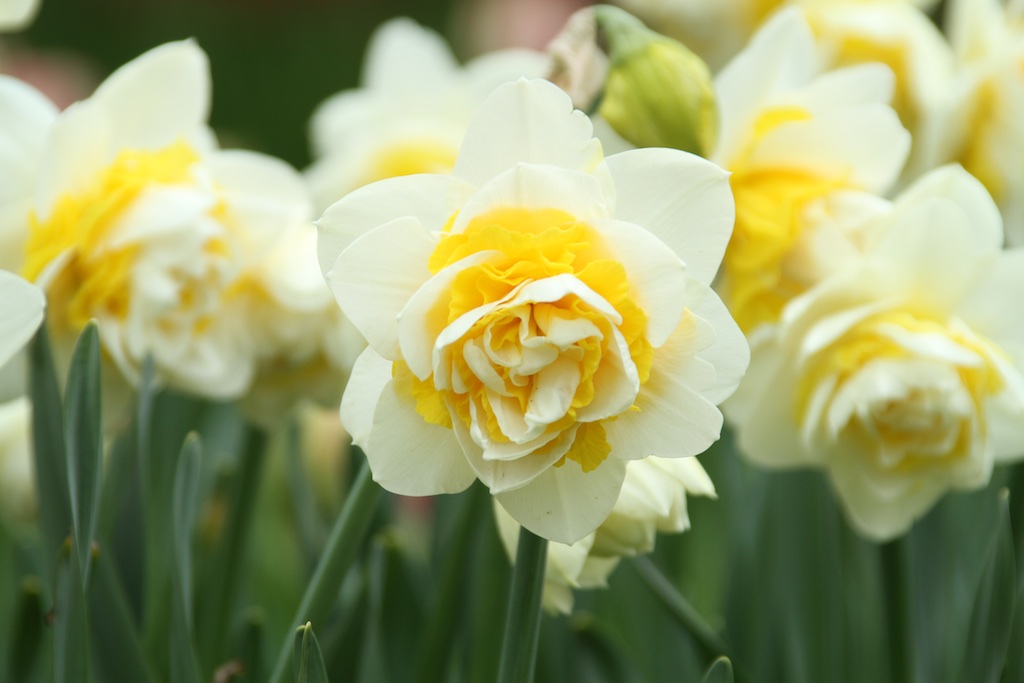
As the snow melts and the days grow longer, one of the first signs of spring is the emergence of the vibrant and fragrant narcissus. These stunning flowers have been a staple in gardens for centuries, and their allure continues to captivate gardeners and flower enthusiasts alike. But did you know that there are over 80 species of narcissus, each with its unique characteristics and growing conditions? In this article, we’ll delve into the world of narcissus, exploring the different types, their cultivation requirements, and where to find them.
Understanding Narcissus
Narcissus is a bulbous perennial plant native to the Mediterranean region. The genus consists of over 80 species, which are divided into eight distinct groups based on their flowering times and characteristics. These groups include narcissus that bloom in winter, spring, or autumn, each with its unique set of traits.
Winter-Blooming Narcissus
While it’s true that there aren’t any varieties of narcissus that bloom exclusively in the winter months, some species can be induced to produce flowers earlier than usual through a process called “forced flowering.” This involves planting the bulbs at the right time and providing them with the right conditions to encourage blooming. By following this technique, you can enjoy a display of winter-blooming narcissus, often referred to as “Christmas narcissus.”
Autumn-Blooming Narcissus
Narcissus serotinus is one of the first species to bloom in autumn, making it an ideal choice for gardeners in warmer climates. These varieties produce fragrant flowers with broad petals and less developed centers. To cultivate autumn-blooming narcissus, choose a location with well-draining soil and full sun.
Cyclamineus Narcissus
This group includes some of the most common species of narcissus, such as Narcissus cyclamineus and Narcissus jonquilla. These varieties are known for their delicate, bell-shaped flowers that resemble those of the wild ciclamen. Cyclamineus narcissus is generally shorter in height, reaching up to 50 cm, and takes around 2-5 years to mature.
Jonquilla Narcissus
Narcissus jonquilla is a popular variety of narcissus known for its large, fragrant flowers that range in color from yellow to cream to lemon. These blooms can reach heights of up to 30 cm and are often featured in floral arrangements. In this group, you’ll also find varieties with narrower petals and more developed centers.
Bulbocodium Narcissus
This group includes some of the smallest species of narcissus, perfect for adding a pop of color to your garden. Narcissus bulbocodium produces bright yellow flowers with narrow, pointed petals. These varieties are ideal for borders or containers, reaching heights of 10-15 cm.
Tazetta Narcissus
Also known as the “wild narcissus,” this species is commonly found in Italy and other parts of Europe. However, it’s not the same as the true wild narcissus (Narcissus poeticus). Tazetta narcissus is used for forced flowering to produce winter-blooming varieties. This group includes a range of sizes, from miniature to full-sized blooms.
Poeticus Narcissus
This species is known for its delicate, cup-shaped flowers with white petals and yellow centers. Narcissus poeticus is often referred to as the “fairy narcissus” due to its ethereal beauty. This group includes a variety of species, including those grown specifically for their ornamental value.
Growing Conditions
Narcissus bulbs require specific growing conditions to thrive. They prefer well-draining soil and full sun to partial shade, depending on the variety. In general, narcissus bulbs need:
- Cool temperatures: Most species require temperatures between 40°F (4°C) and 60°F (15°C) during the winter months.
- Moisture: Keep the soil consistently moist but not waterlogged, as this can lead to rot and disease.
- Good air circulation: This helps prevent fungal diseases that thrive in humid environments.
Cultivation Techniques
To cultivate narcissus successfully, follow these techniques:
- Choose the right location: Select a spot with well-draining soil and full sun to partial shade, depending on the variety.
- Plant at the right time: Plant bulbs in the fall or early winter for spring-blooming varieties, and in late summer or early fall for autumn-blooming varieties.
- Water carefully: Water bulbs regularly during the growing season, but avoid overwatering.
- Fertilize lightly: Feed bulbs with a balanced fertilizer once a year, and avoid heavy fertilization that can encourage weak growth.
Pest and Disease Management
To ensure healthy narcissus plants, be aware of common pests and diseases:
- Aphids: These tiny insects feed on plant sap, causing damage to leaves and flowers.
- Slugs and snails: These nocturnal pests can eat through the leaves and stems of narcissus bulbs.
- Fungal diseases: These can include root rot, leaf spot, and crown rot. Regularly inspect your plants for signs of disease.
Repotting Narcissus Bulbs
If you’re looking to divide or repot your narcissus bulbs, follow these steps:
- Wait until the foliage has died back: This will help prevent the spread of disease.
- Gently dig up the bulb: Use a fork to loosen the soil around the bulb, taking care not to damage the roots.
- Divide the bulb (if necessary): If the bulb has multiple cloves or has become too large, divide it into smaller sections.
- Replant the bulb: Plant the divided bulb in well-draining soil, making sure the top of the bulb is level with the soil surface.
Propagating Narcissus
Narcissus bulbs can be propagated through division, seed, or leaf cutting:
- Division: Divide the bulb as described above.
- Seed: Sow seeds in a pot or tray, keeping them moist and warm until germination.
- Leaf cutting: Cut off individual leaves from the mother plant and allow them to dry for a few weeks before planting.
Conclusion
Narcissus is a diverse and fascinating genus of flowers, offering something for every gardener. By understanding the different types, their cultivation requirements, and where to find them, you can create stunning displays in your garden or home. Whether you’re looking for winter-blooming varieties or delicate spring blooms, there’s a narcissus species out there waiting to be discovered.
FAQs
- Can I force narcissus to bloom in winter?
Yes, by planting the bulbs at the right time and providing them with the right conditions, you can induce narcissus to produce flowers earlier than usual. - What is the difference between Narcissus cyclamineus and Narcissus jonquilla?
Cyclamineus narcissus has narrower petals and a less developed center, while jonquilla narcissus produces larger, more fragrant blooms. - How tall do autumn-blooming narcissus grow?
Narcissus serotinus typically reaches heights of 30-40 cm in the fall. - Can I grow narcissus in containers?
Yes, many species of narcissus can be grown in containers, providing they receive sufficient light and water. - How often do I need to divide narcissus bulbs?
Narcissus bulbs typically need to be divided every 3-5 years to maintain their health and vigor. - What is the best way to store narcissus bulbs over winter?
Store the bulbs in a cool, dry place with good air circulation to prevent rot and disease. -
Can I grow narcissus indoors?
Yes, some species of narcissus can be grown indoors, providing they receive sufficient light and warmth. -
How do I care for my narcissus flowers after blooming?
Allow the foliage to die back naturally before removing it to maintain the bulb’s energy reserves.


