
Introduction
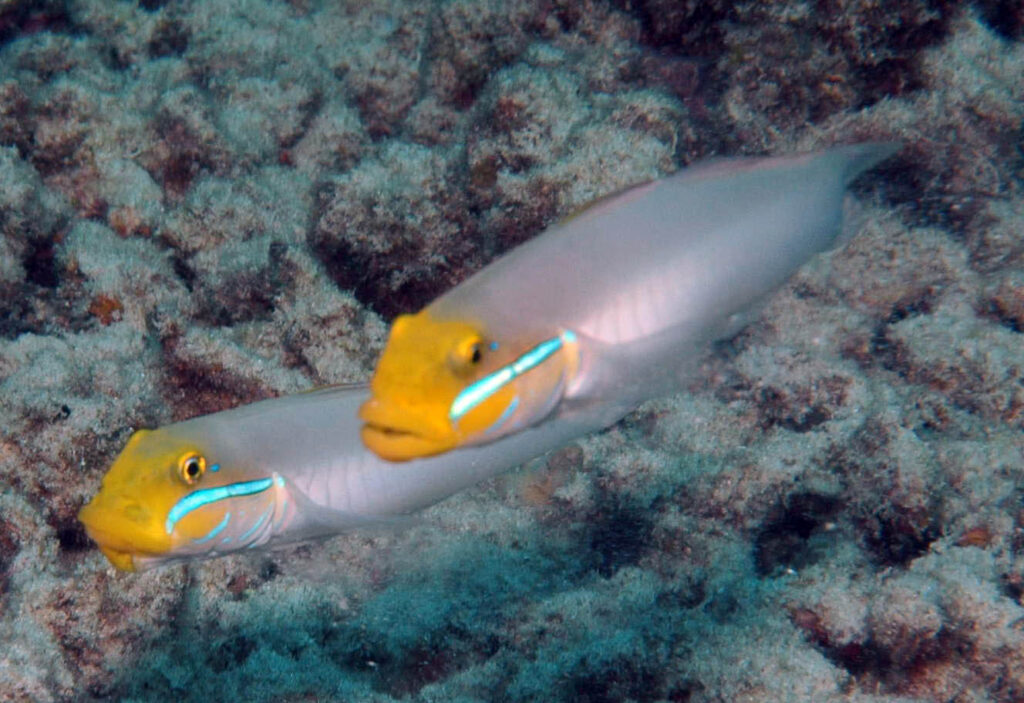
In the vast and wondrous world of marine aquariums, there exist many species that are just as fascinating as they are challenging to care for. One such group of fish is the Valenciennea genus, comprising several species that have captivated the attention of aquarists worldwide. In this article, we will delve into the world of Valenciennea, exploring their origins, habitats, characteristics, behavior, and care requirements.
Valenciennea Genus: A Brief Overview
The Valenciennea genus belongs to the Gobiidae family, which also includes other popular species like the Gobidon Okinawae. These fish are known for their unique appearance and intriguing behavior, making them a delight to observe in an aquarium setting.
Popular Species of Valenciennea
While there are several species within the Valenciennea genus, some are more widely recognized than others. The following are some of the most popular species:
- Valenciennea strigata: Found in the Pacific Ocean, this species is known for its distinctive appearance and behavior.
- Valenciennea puellaris: Hailing from the Pacific Ocean, this species is prized for its unique coloration and pattern.
- Valenciennea wardi: Native to the Indo-Pacific region, this species is admired for its striking appearance and fascinating behavior.
Habitat and Distribution
Valenciennea species are found in various habitats throughout their native range. These fish are typically found in areas with sandy or muddy substrates, where they can forage for food and shelter.
- Origins: Valenciennea species are found in the Pacific Ocean, ranging from the Africa eastern coast to the Tuamotu Islands.
- Habitat: These fish inhabit areas with sandy or muddy substrates, often near coral reefs or other underwater structures.
Characteristics and Behavior
Valenciennea species are known for their unique characteristics and behavior. These fish are monogamous, meaning they form long-term pair bonds, and are sensitive to their environment.
- Monogamy: Valenciennea species are known to form long-term pair bonds, making them a fascinating subject for study.
- Sensitivity: These fish are sensitive to changes in their environment, requiring careful consideration when introducing them to an aquarium setting.
Care Requirements
Valenciennea species require specific care requirements to thrive in an aquarium setting. These fish are relatively low-maintenance but do have certain needs that must be met.
- Substrate: Valenciennea species require a substrate with a fine grain size, as they can easily dig and burrow.
- Water quality: These fish require high water quality, with regular water changes and proper filtration.
- Temperature: Valenciennea species require a temperature range of 72-82°F (22-28°C) to thrive.
Diet and Feeding
Valenciennea species have specific dietary requirements that must be met. These fish are omnivores, feeding on small invertebrates and algae.
- Algae: Valenciennea species feed on small amounts of algae, providing essential nutrients for their growth.
- Invertebrates: These fish also feed on small invertebrates, such as copepods and brine shrimp.
- Commercial foods: Valenciennea species can be fed a variety of commercial foods, including spirulina-based pellets and frozen brine shrimp.
Aquarium Setting
Valenciennea species are best kept in aquarium settings that mimic their natural habitats. These fish require a well-planted tank with plenty of hiding places and visual interest.
- Tank size: Valenciennea species require a minimum tank size of 20 gallons, as they can grow up to 4 inches in length.
- Plant life: These fish thrive in tanks with plenty of plant life, including coral and other algae species.
- Decorations: Valenciennea species require decorations that provide hiding places and visual interest, such as rocks and driftwood.
Reproduction and Breeding
Valenciennea species are monogamous, and their reproduction is a fascinating process. These fish are known to form long-term pair bonds, and the breeding cycle is complex and influenced by various environmental factors.
- Breeding season: Valenciennea species typically breed during the spring and summer months, with the female laying eggs that incubate for several days.
- Parental care: The male plays an active role in parental care, guarding the eggs and providing food to the larvae.
- Fertilization: Valenciennea species use external fertilization, with the male releasing sperm into the water column.
Conservation Status
Valenciennea species are not currently listed as threatened or endangered on the IUCN Red List. However, their populations are declining due to overfishing and habitat destruction.
- Threats: Valenciennea species are vulnerable to overfishing, habitat destruction, and climate change.
- Conservation efforts: Efforts are being made to conserve these fish, including the establishment of marine protected areas and sustainable fishing practices.
Conclusion
In conclusion, the Valenciennea genus is a fascinating group of fish that offer many rewards to aquarists. By understanding their origins, habitats, characteristics, behavior, and care requirements, we can better appreciate these species and provide them with the best possible care.


