
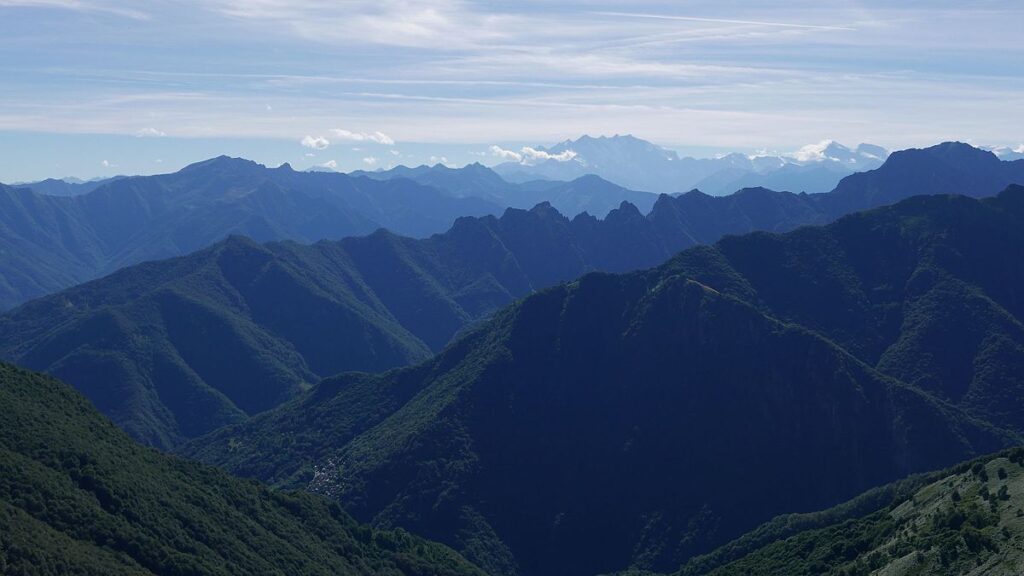
Located in the heart of Piedmont, Italy, lies a lesser-known national park that is steeped in history and natural beauty: the Parco Nazionale della Val Grande. This protected area is nestled between the mountains of Ossola, the Lago Maggiore basin, and the Valle Cannobina, offering an unparalleled opportunity to connect with nature and experience the region’s rich biodiversity.
A Brief History of the Park
The idea of protecting this precious land dates back to 1953, when a group of individuals first proposed the concept. However, it wasn’t until the second post-war period that the area began to be abandoned by its inhabitants, leaving behind a landscape that was both wild and untouched. Today, the Parco Nazionale della Val Grande is a testament to the region’s natural beauty and serves as a reminder of the importance of preserving our planet’s precious resources.
The park’s history is deeply rooted in the local culture and traditions. The area has been inhabited since prehistoric times, with evidence of ancient human settlements found throughout the park. In the Middle Ages, the Val Grande was a significant source of timber, which led to the establishment of sawmills and logging operations. However, as the years went by, the population began to decline, and the area was eventually abandoned.
Discovering the Park
When visiting the park, it is essential to approach with caution and respect for the land and its inhabitants. The area is vast, and navigating the terrain without proper guidance can be daunting, even for experienced hikers. To ensure a safe and enjoyable experience, we recommend consulting with a guide who can provide expert insights into the park’s trails and landscape.
Guided tours are available from local tour operators, which cater to all skill levels and interests. These tours offer a unique opportunity to explore the park’s hidden corners, learn about its history and culture, and spot rare wildlife species. Visitors can also participate in workshops and educational programs that focus on sustainable tourism, conservation efforts, and environmental education.
Itineraries and Trails
The Parco Nazionale della Val Grande offers an array of trails that cater to all skill levels, from novice hikers to seasoned adventurers. Two recommended itineraries are the “All’ombra degli abeti” trail, which takes approximately 1.5 hours to complete, and the more challenging “L’uomo-albero” trail, which requires a minimum of 3 hours to traverse.
The “All’ombra degli abeti” trail is a gentle stroll through the park’s forests, taking visitors along a scenic path lined with ancient beech trees and silver firs. The trailhead is accessible by public transportation, making it an ideal option for those who want to explore the park without committing to a long hike.
The “L’uomo-albero” trail, on the other hand, requires a more significant commitment from hikers. This challenging route takes visitors through a series of steep ascents and descents, culminating in a breathtaking panoramic view of the surrounding mountains. The trailhead is located near the village of Gressoney-Saint-Jean, which offers basic accommodations and amenities for those who choose to stay overnight.
Exploring the Landscape
To truly appreciate the park’s natural beauty, it is essential to understand its morphology and geography. The area features several valleys, including the Val Grande, Val Pogallo, Vigezzo, Cannobina, Ossola, and Intrasca. These valleys are home to a diverse range of flora and fauna, including rare species that can be found nowhere else in Europe.
The park’s landscape is characterized by towering mountains, verdant forests, and crystal-clear streams. The terrain is varied, with gentle slopes and steep cliffs, offering a unique challenge for hikers and adventure-seekers alike. Visitors can explore the park’s many peaks, including the highest point, Monte San Salvatore (2,743m), which offers breathtaking views of the surrounding landscape.
Wildlife and Vegetation
The park’s flora is characterized by a mix of deciduous and coniferous trees, with the beech tree (Fagus sylvatica) and silver fir (Abies alba) being among the most common. In the summer months, the area comes alive with wildflowers, including the arnica montana, tulipano alpino, and erioforo.
The park’s fauna is equally fascinating, with species such as the golden eagle (Aquila chrysaetos), peregrine falcon (Falco peregrinus), and European otter (Lutra lutra) calling the area home. Other notable species include the capercaillie (Tetrao urogallus), Eurasian pygmy owl (Glaucidium passerinum), and the rare Italian pygmy owl (Glaucidium passerinum).
Conservation Efforts
The Parco Nazionale della Val Grande is committed to preserving its natural resources and protecting its biodiversity. The park’s conservation efforts focus on maintaining the delicate balance between human activity and environmental sustainability.
One of the park’s most significant initiatives is the establishment of protected areas, which cover over 30% of the park’s surface. These areas provide a safe haven for rare species and help to maintain the park’s unique ecosystems. Visitors can participate in citizen science projects, such as monitoring wildlife populations and tracking changes in vegetation patterns.
Tourism and Accessibility
The Parco Nazionale della Val Grande is committed to promoting sustainable tourism practices that minimize the impact on the environment. The park offers a range of accommodations, from luxury hotels to rustic mountain huts, catering to all budgets and preferences.
Public transportation links the park to nearby towns and cities, making it easily accessible by car, bus, or train. Visitors can also enjoy a range of recreational activities, including hiking, mountain biking, and horseback riding, which are designed to promote environmental awareness and appreciation.
Conclusion
The Parco Nazionale della Val Grande is a true hidden gem, waiting to be discovered by intrepid travelers and nature lovers. With its rich history, diverse landscape, and incredible wildlife, this national park offers an unforgettable experience for those willing to venture off the beaten path.
As we continue to explore and protect our planet’s natural resources, it is essential that we prioritize conservation efforts and sustainable tourism practices. The Parco Nazionale della Val Grande serves as a powerful reminder of the importance of preserving our planet’s precious resources for future generations.
Frequently Asked Questions (FAQs)
- What is the best way to explore the Parco Nazionale della Val Grande?
The best way to explore the park is with a guided tour or by consulting with local experts who can provide expert insights into the park’s trails and landscape. - How long does it take to complete the “All’ombra degli abeti” trail?
The “All’ombra degli abeti” trail takes approximately 1.5 hours to complete. - Can I hike alone in the park?
No, we recommend hiking with a guide or group to ensure safety and minimize the risk of getting lost. - What is the most challenging part of the park’s trails?
The most challenging part of the park’s trails is the “L’uomo-albero” trail, which requires a minimum of 3 hours to traverse. - Can I see rare species in the park?
Yes, the Parco Nazionale della Val Grande is home to several rare species, including the golden eagle (Aquila chrysaetos) and Italian pygmy owl (Glaucidium passerinum). - What time of year is best for visiting the park?
The best time to visit the park is during the spring and summer months, when the wildflowers are in bloom. - Is the park accessible by public transportation?
Yes, the park can be accessed by public transportation, including buses and trains.
Additional Resources
For more information about the Parco Nazionale della Val Grande, please visit our website or contact us directly. We look forward to helping you plan your next adventure!
Getting There
The Parco Nazionale della Val Grande is located in Piedmont, Italy, and can be accessed by public transportation or car.
- By train: The nearest train station is located in Varese, from which visitors can take a bus or taxi to the park’s entrance.
- By car: Visitors can drive to the park via the SS34 highway, which passes through the nearby town of Biella.
- By bus: Public buses connect the park to nearby towns and cities, including Varese, Biella, and Novara.
Accommodations
The Parco Nazionale della Val Grande offers a range of accommodations, from luxury hotels to rustic mountain huts, catering to all budgets and preferences.
- Luxury Hotels: Visitors can stay at one of the park’s many luxury hotels, which offer fine dining, spa facilities, and comfortable rooms.
- Mountain Huts: For a more rustic experience, visitors can stay at one of the park’s many mountain huts, which offer basic amenities and stunning views.
- Camping: Visitors can also camp within the park, with designated campsites available for tents, RVs, and caravans.
Dining
The Parco Nazionale della Val Grande offers a range of dining options, from traditional Italian cuisine to modern restaurants serving international dishes.
- Traditional Restaurants: Visitors can enjoy traditional Italian cuisine at one of the park’s many family-run restaurants, which serve classic dishes such as pasta, pizza, and risotto.
- Modern Restaurants: For a more contemporary experience, visitors can dine at one of the park’s modern restaurants, which offer innovative menus and fine wines.
- Picnic Areas: Visitors can also pack a picnic lunch and enjoy it in one of the park’s many scenic areas, such as meadows, forests, or mountain peaks.


