
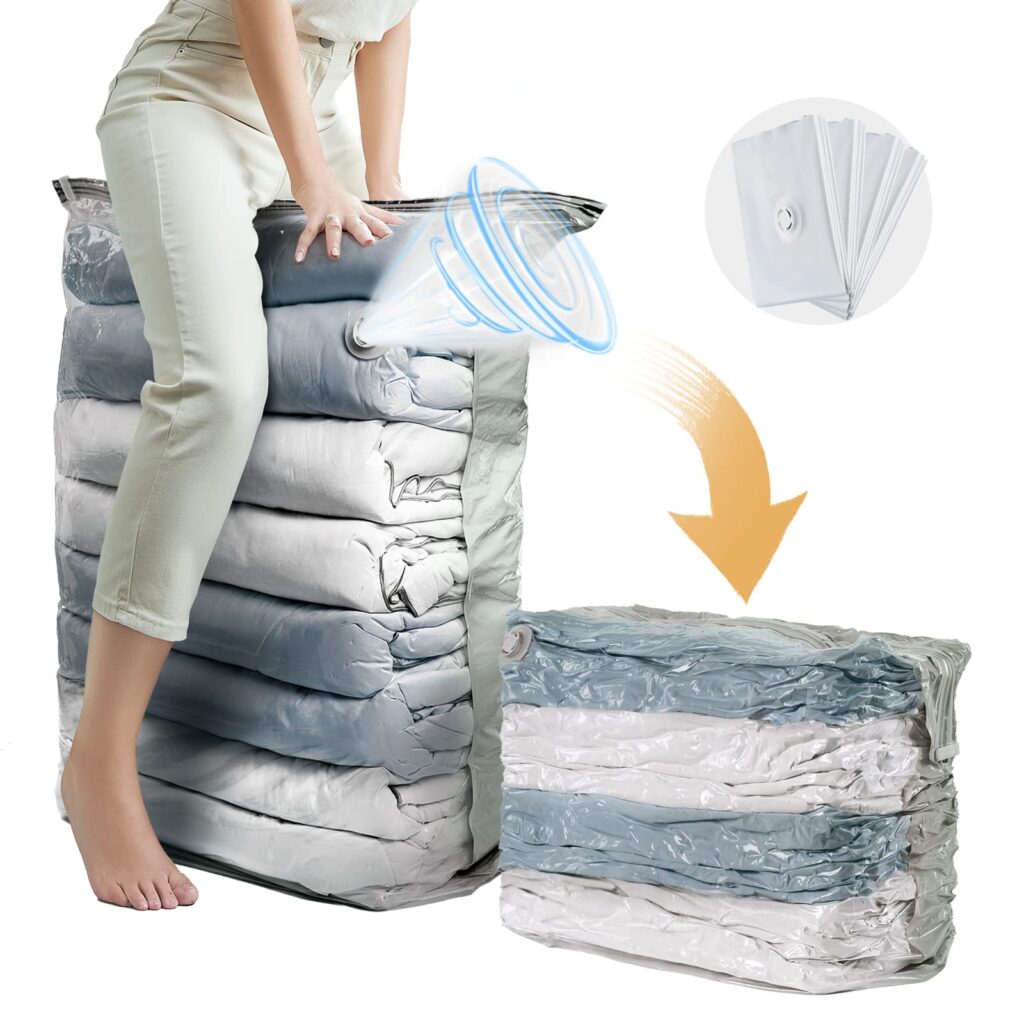
The Power of Vacuum Sealing: Unlocking the Secrets of Food Preservation
As we continue to live in a world where food waste and expiration dates are becoming increasingly prevalent, it’s time to talk about one of the most effective ways to preserve our food: vacuum sealing. This simple yet powerful technique can help us extend the shelf life of our perishable items, reducing waste and saving us money.
What is Vacuum Sealing?
Vacuum sealing is a method of storing food in an airtight container or bag that removes air from the packaging, thereby preventing the growth of bacteria, mold, and other microorganisms. This technique can be used for both raw and cooked foods, offering numerous benefits for home cooks, chefs, and anyone looking to make the most of their ingredients.
The Benefits of Vacuum Sealing
So, why should you care about vacuum sealing? Here are just a few reasons:
- Increased shelf life: By removing air from the packaging, you can extend the shelf life of your food by several days or even weeks.
- Reduced waste: Vacuum sealing helps prevent spoilage and reduces food waste, which is not only good for the environment but also saves you money.
- Improved food quality: Vacuum sealing preserves the natural flavor, texture, and aroma of your food, ensuring that it stays fresh and delicious.
How Does Vacuum Sealing Work?
To understand how vacuum sealing works, let’s take a closer look at the process:
- Removing air: Air is the primary cause of spoilage in food. When you remove air from the packaging, you prevent bacteria, mold, and other microorganisms from growing.
- Creating a barrier: Vacuum-sealing creates an airtight container that prevents moisture, light, and oxygen from entering or escaping.
- Preserving flavor and texture: By removing air and creating a barrier, vacuum sealing helps preserve the natural flavor and texture of your food.
What Can Be Vacuum-Sealed?
Vacuum sealing is not limited to just raw foods; you can also use it for cooked meals. Here are some examples:
- Meat and poultry: Vacuum seal meat and poultry to keep them fresh for several days.
- Fruits and vegetables: Seal fruits and veggies in vacuum bags to preserve their texture and flavor.
- Bread and baked goods: Freeze bread and baked goods in vacuum-sealed bags to maintain freshness.
- Cooked meals: Vacuum seal cooked meals, such as soups or casseroles, to keep them warm for hours.
Vacuum Sealing at Home
You don’t need a commercial vacuum sealer to get started. There are several DIY methods you can try:
- Handheld vacuum sealers: Use handheld devices that use a manual pump to remove air from the packaging.
- Squeeze bottles: Squeeze out as much air as possible from a bottle using a straw or your mouth.
- Vacuum sealer bags: Purchase specialized bags designed for vacuum sealing.
Tips and Tricks
Here are some additional tips to help you get started with vacuum sealing:
- Use the right equipment: Invest in a good-quality vacuum sealer or DIY method that works for you.
- Follow proper storage procedures: Store sealed food in a cool, dry place, away from direct sunlight.
- Label and date containers: Keep track of what’s inside each container by labeling and dating them.
Common Uses for Vacuum Sealing
Vacuum sealing is not just limited to storing food; it can also be used for other purposes:
- Travel: Vacuum-seal your clothes, toiletries, or electronics to keep them dry and protected during travel.
- Camping: Use vacuum-sealed containers to store food and other supplies when camping.
- Crafts: Vacuum-seal beads, yarn, or fabric scraps to preserve them for future use.
Conclusion
Vacuum sealing is a simple yet powerful technique that can help you save money, reduce waste, and preserve the quality of your food. By understanding how it works and using the right equipment, you can unlock the full potential of this method and enjoy delicious, fresh meals for years to come.
FAQs:
- What types of foods can be vacuum-sealed?
Vacuum sealing is not limited to just raw foods; you can also use it for cooked meals. - How long does vacuum-sealing last?
The shelf life of sealed food depends on the type of food, storage conditions, and other factors. - Can I reuse vacuum sealer bags?
No, vacuum sealer bags should only be used once to ensure proper airtightness. - How do I store vacuum-sealed foods?
Store sealed food in a cool, dry place, away from direct sunlight and moisture. - Can I freeze vacuum-sealed foods?
Yes, many types of food can be frozen for later use after being vacuum-sealed. - Are there any health risks associated with vacuum sealing?
Vacuum sealing itself is a safe method; however, improper storage or handling can lead to spoilage and potential health issues.
By understanding the basics of vacuum sealing and using this technique effectively, you’ll be able to enjoy fresh, delicious meals while reducing food waste and saving money.


