
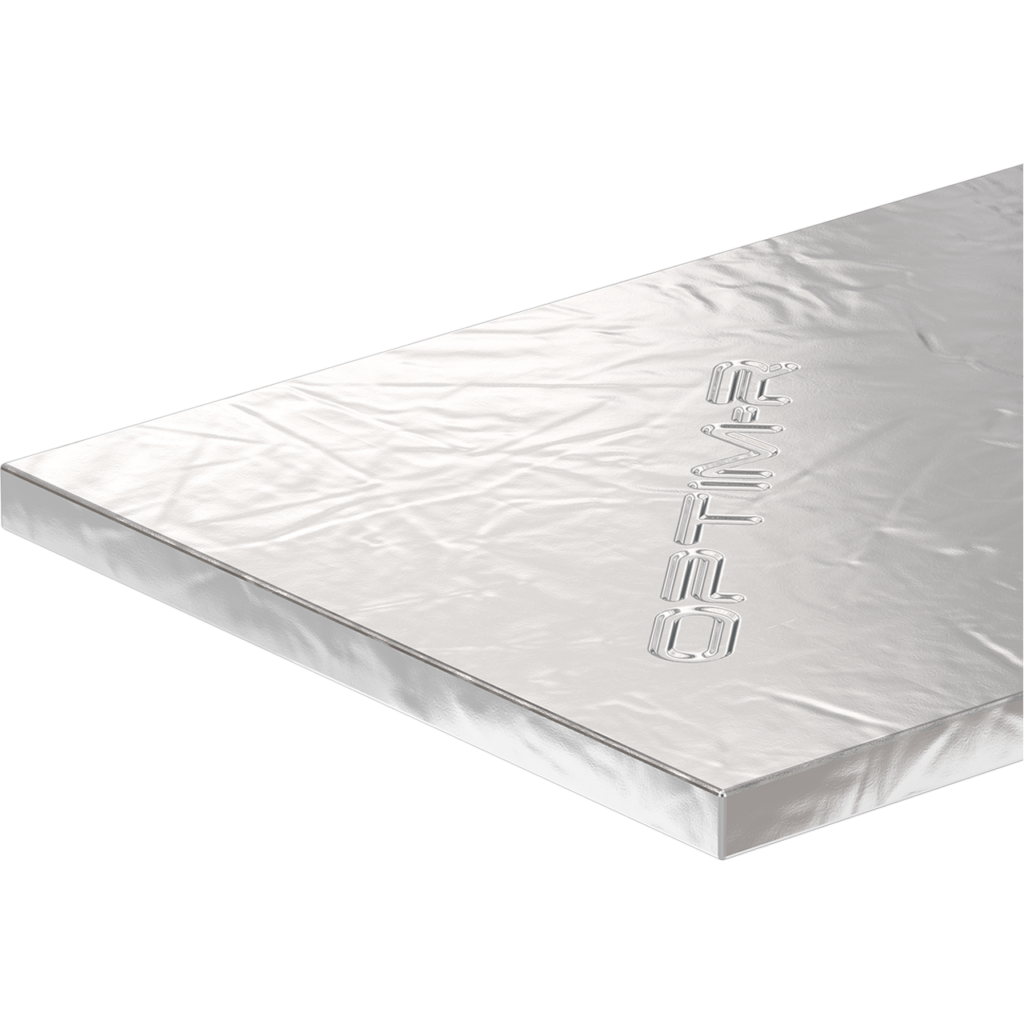
As we strive for energy efficiency and sustainability, the importance of effective building insulation cannot be overstated. One innovative solution that has garnered significant attention in recent years is the vacuum insulation panel (VIP). In this article, we’ll delve into the world of VIPs, exploring their history, construction, benefits, and potential applications.
What are Vacuum Insulation Panels?
Vacuum insulation panels have a significantly lower thermal conductivity than traditional insulation materials, ranging from 0.004 to 0.008 W/mK. This makes them an attractive option for building insulation and industrial applications. To put this into perspective, a panel of 5 cm thickness can provide the same level of insulation as a 40 cm layer of polystyrene foam.
A Brief History of Vacuum Insulation Panels
The concept of VIPs dates back to the 1970s, when Linde AG, a German company, first developed these panels. Initially used in refrigeration and freezer applications, VIPs have since found their way into various industries, including building insulation.
In the early days, vacuum insulation technology was primarily focused on optimizing performance for specific industrial applications. However, as the field evolved, researchers began to explore its potential in building construction. This shift towards architectural insulation led to significant advancements in materials science and design, resulting in VIPs that are now widely recognized for their energy-saving capabilities.
How are Vacuum Insulation Panels Made?
VIPs consist of two main components: the core material (silica pyrogen or aerogel) and the outer covering (a multi-layered metal or plastic sheet). The core is a nanoporous material that has been evacuated of air, creating a vacuum. This design allows for minimal thermal conductivity.
The manufacturing process involves several stages:
- Core Material Production: Silica pyrogen or aerogel is created through various methods, including chemical synthesis or gelation.
- Vacuuming and Pressurization: The core material is then placed in a sealed chamber where air is evacuated using vacuum pumps.
- Layer Construction: Multiple layers of metal or plastic sheets are applied to the core material, providing additional structural support and protection from environmental factors.
- Finishing Touches: VIPs undergo quality control checks and may be treated with special coatings for enhanced durability.
The Science Behind Vacuum Insulation Panels
So, how do VIPs work? In simple terms, they reduce heat transfer by minimizing the movement of molecules. When heated or cooled, the molecules in the vacuum core lose energy to the surrounding environment, reducing the temperature difference between the inside and outside of a building. This results in significant energy savings.
To better understand this phenomenon, let’s consider the basic principles of thermodynamics:
- Heat Transfer: Heat transfer occurs through conduction, convection, or radiation.
- Molecular Movement: At high temperatures, molecules gain kinetic energy and begin to move rapidly.
- Vacuum Core: The vacuum core reduces air resistance, minimizing heat transfer via convection.
By reducing molecular movement in the vacuum core, VIPs effectively minimize heat transfer across the panel, allowing for optimal insulation performance.
Durability and Performance
One crucial aspect of VIPs is their durability. While factors like welding and material quality can impact performance, studies have shown that VIPs can maintain their thermal insulation properties for 30-50 years or more.
Additionally, VIPs exhibit excellent resistance to environmental degradation, including:
- Moisture Infiltration: VIPs prevent moisture from entering the panel through advanced designs and materials.
- UV Radiation: Specialized coatings protect VIPs from excessive UV radiation damage.
- Weathering: VIPs can withstand harsh weather conditions without compromising performance.
The Future of Vacuum Insulation Panels
As technology advances, especially in the realm of aerogel (often referred to as “frozen smoke”), we can expect significant improvements in VIP performance. These advancements will likely lead to increased adoption in building insulation, particularly for applications where space is limited, such as facades, pavements, and flat roofs.
Future developments may include:
- Improved Aerogel Materials: Enhanced aerogel materials with higher thermal conductivity and lower production costs.
- Advanced Vacuum Technologies: Improved vacuum pumping techniques to increase panel durability and efficiency.
- Hybrid VIPs: Combination of VIPs with other insulation materials for enhanced performance.
Benefits of Vacuum Insulation Panels
So, what are the benefits of using VIPs? They offer several advantages:
• High Energy Efficiency: VIPs provide excellent thermal insulation while minimizing material usage.
• Space-Saving Design: By reducing the thickness required for equal insulation levels, VIPs are ideal for compact applications.
• Long-Term Performance: With durability spanning decades, VIPs can significantly reduce maintenance costs.
Applications and Case Studies
VIPs are being explored in various sectors, including:
• Building Insulation: Facades, pavements, flat roofs, and wall insulation.
• Industrial Applications: Refrigeration units, data centers, and manufacturing facilities.
Some notable case studies include:
- The Green Building: A pioneering commercial building that utilizes VIPs for optimal thermal performance.
- The Swiss Alps: A network of VIP-clad buildings in the mountains that showcases their effectiveness in extreme environments.
- The Tokyo District Heating System: A district heating system that leverages VIPs to reduce energy consumption and emissions.
While specific case studies and applications may vary, the potential for VIPs to revolutionize building insulation is undeniable.
Conclusion
Vacuum insulation panels represent a significant leap forward in building insulation technology. Their unique properties, combined with advancements in materials science, make them an attractive solution for energy-efficient construction projects. As we strive for sustainable futures, embracing innovative technologies like VIPs will be crucial.
By understanding the history, construction, benefits, and potential applications of VIPs, architects, engineers, and builders can unlock their full potential and create more efficient, environmentally friendly buildings that minimize energy consumption and reduce environmental impact.
Frequently Asked Questions (FAQs)
- What is the average lifespan of a vacuum insulation panel?
A well-maintained vacuum insulation panel can last 30-50 years or more.
2. How do vacuum insulation panels compare to traditional insulation materials?
VIPs have significantly lower thermal conductivity, making them ideal for energy-efficient applications.
3. Can vacuum insulation panels be used in extreme temperatures?
While VIPs are designed for optimal performance between -20°C and 40°C, their durability may vary depending on the specific application.
4. Are vacuum insulation panels suitable for outdoor use?
VIPs can withstand certain environmental conditions but may require additional protection measures when exposed to direct sunlight or heavy weather conditions.
5. How do I maintain a vacuum insulation panel?
Regular inspections and minimal maintenance will help ensure optimal performance.
6. Can I use vacuum insulation panels in areas with high humidity?
While VIPs are designed for dry environments, their performance may be affected by prolonged exposure to moisture.
7. Are there any specific regulations or standards governing the use of vacuum insulation panels?
Local building codes and industry standards should be consulted when planning a project involving VIPs.
8. Can I customize or upgrade my vacuum insulation panel?
In some cases, modifications can be made to optimize performance for specific applications.
Please consult with a qualified professional or manufacturer’s representative for detailed information on using vacuum insulation panels in your specific situation.


