
Unlocking the Power of Beneficial Insects in Your Garden
As gardeners, we often focus on the plants themselves, but neglect to appreciate the tiny allies that can make all the difference between a thriving and struggling garden. Beneath the surface of our beloved green spaces lurk a world of beneficial insects, waiting to be harnessed for their incredible potential.
Why Beneficial Insects Matter
Cultivating an orchard is no easy feat; it requires balance, care, and preservation of the soil. Many factors can go awry, causing irreparable harm to our crops: mismatched ecosystems, poor soil quality, nutritional deficiencies, droughts, parasitic attacks, mold, waterlogged conditions… The list goes on, and each issue has a ripple effect that threatens our harvest. Fortunately, these tiny creatures can serve as valuable allies in the fight against pests.
The Power of Flowers in the Orchard
Don’t underestimate the idea of cultivating flowers alongside your orchard. Flowers attract beneficial insects and add beauty to our gardens while keeping pests at bay.
Identifying Invasive Plants in the Orchard
While we’re not suggesting that these invasive plants are harmless, they can offer us insight into the type of soil we’re working with.
Beneficial Insects for Your Garden
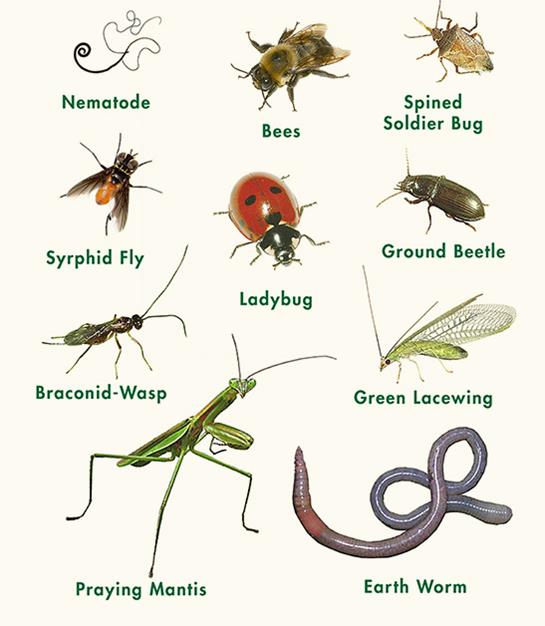
There are numerous species of beneficial insects that can serve as valuable allies in maintaining a healthy and thriving orchard. We often add to these insects’ negative reputation by labeling them as “bad” or even “harmful,” but it’s essential to recognize their role in maintaining ecological balance.
The Importance of Pollinators
Pollinators such as bees, butterflies, and moths play a vital role in our gardens, pollinating fruits, vegetables, and other crops. But that’s not all; there are many more beneficial insects beyond these well-known pollinators.
Beetles: The Unsung Heroes
Let’s start with the already mentioned beetles, which include:
- Ladybugs (Coccinellidae): These iconic red beetles are voracious predators of aphids and other pests.
- Ground Beetles (Carabidae): With over 40,000 species worldwide, these beetles offer impressive diversity in their roles as both predators and prey.
Butterflies: The Pollinators
Beyond their stunning beauty, butterflies also serve as valuable pollinators. Some notable examples include:
- Monarch Butterflies (Danaus plexippus): These iconic butterflies migrate thousands of miles each year, pollinating plants along the way.
- Painted Lady Butterflies (Vanessa cardui): With their striking colors and erratic flight patterns, these butterflies are a delight to behold.
The Dark Side of Bees
While bees are often celebrated for their role in pollination, it’s essential to acknowledge the potential threats they face. Some of the most significant concerns include:
- Colony Collapse Disorder (CCD): This mysterious phenomenon has led to widespread bee deaths and a decline in honey production.
- Varroa Mite Infestations: These parasitic mites can decimate bee colonies, further exacerbating the issue.
Moths: The Unsung Heroes
Beyond their impressive diversity, moths also serve as valuable pollinators. Some notable examples include:
- Luna Moths (Actias luna): With their striking green wings and white spots, these moths are a delight to behold.
- Hummingbird Hawk Moths (Macroglossum stellatarum): These moths are capable of flying at speeds up to 30 miles per hour, making them one of the fastest insects on record.
The World of Crisopids
A lesser-known group of beneficial insects is the Crisopidae family. Comprising over 3,000 species worldwide, these predators feed on a wide range of pests, from aphids to rhynchota (green flies).
- Chrysopa Oculata: This common cricket can be found in many gardens and orchards, feeding on a variety of pests.
- Nabidae: These aquatic insects are known for their impressive jumping abilities.
Weeds: The Unexpected Allies
While weeds are often viewed as unwanted intruders, some species can serve as unexpected allies. For example:
- Dandelions (Taraxacum officinale): These common weeds feed on pests and add nutrients to the soil.
- Plantain (Plantago lanceolata): This herb serves as a natural pest repellent.
Conclusion
By recognizing the importance of beneficial insects in our gardens, we can unlock their incredible potential. From pollinators to predators, these tiny creatures offer a world of possibilities for maintaining a thriving and healthy orchard. As we strive to create more sustainable and resilient ecosystems, let us not overlook the power of these unsung heroes.
Frequently Asked Questions
- What is the most effective way to attract beneficial insects to my garden?
- By incorporating a variety of flowers, herbs, and native plants into your garden design.
- How can I protect my crops from pests without using pesticides?
- Utilize physical barriers, such as fine-mesh screens or row covers, to keep pests away.
- Can I use beneficial insects to control aphid populations in my orchard?
- Yes, ladybugs and lacewings are both effective predators of aphids.
- What is the difference between pollinators and predators in the context of beneficial insects?
- Pollinators transfer pollen between plants, while predators feed on pests that might harm crops.
Additional Resources
For further learning about beneficial insects and their role in maintaining a healthy orchard, visit our articles on:
- Plants that attract beneficial insects
- The world of entomology: an introduction to the study of insects


