
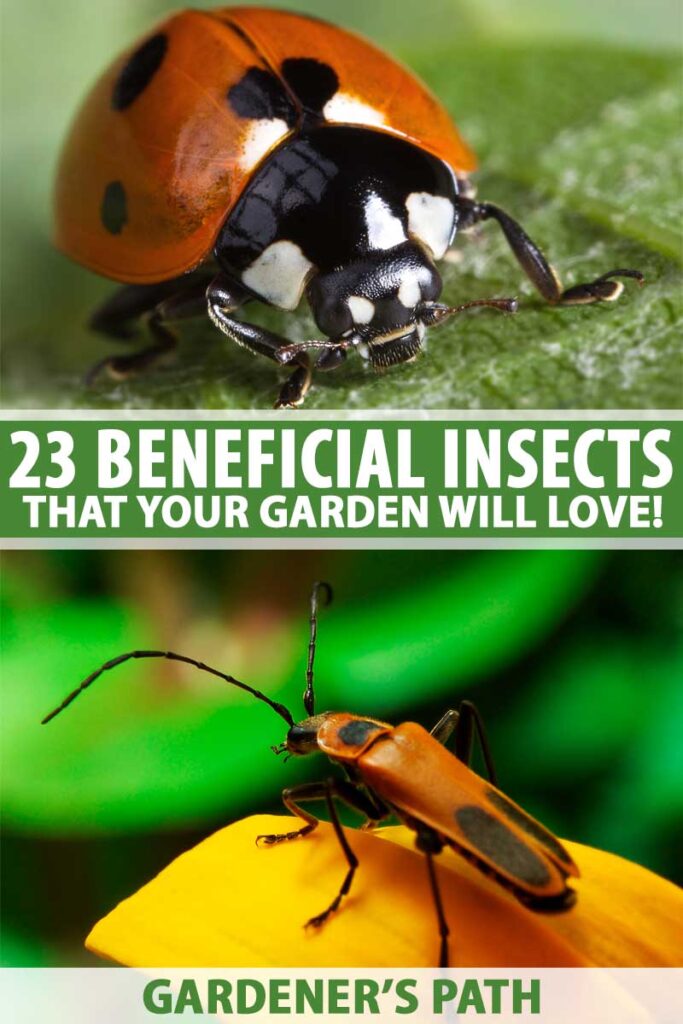
As we tend to our gardens, it’s easy to focus on the visible threats – pests, diseases, and weather damage. However, there’s a whole world of beneficial insects and reptiles that can help create an organic garden in balance with nature. It’s time to overcome our innate fear of these creatures and appreciate their value.
The Unsung Heroes: Reptiles in Your Garden
Reptiles are often misunderstood, but they play a vital role in maintaining a healthy garden ecosystem. Two beneficial species worth mentioning are lizards and ground skinks. These gentle creatures can be found in warm and dry areas, such as behind walls, stairs, or rocky crevices.
- Lizards love to hide in small holes in the soil, where they lay their eggs. They’re a great asset to your garden because they eat slugs, snails, caterpillars, and worms, limiting their spread.
- Ground skinks may resemble snakes, but they have distinct characteristics that set them apart. For example, their eyelids close when they blink, just like lizards. They also possess detachable tails, which they leave behind to distract predators.
Ground Skinks: The Unlikely Heroes
Ground skinks are beneficial because they prey on slugs, worms, and insects. These small reptiles may not be as visible as other garden creatures, but their impact is significant. By controlling pest populations, ground skinks help maintain a balanced ecosystem.
- Ground skinks are also skilled at hiding in plain sight, making them challenging to spot.
- Their diet consists mainly of slugs, worms, and insects, which helps reduce the number of pests in your garden.
The Ladybug: A Symbol of Hope
Insects are often misunderstood, but one species that shines is the ladybug. These tiny creatures may appear red with black spots, but they come in a variety of colors, including yellow, orange, and gray-blue. Ladybugs are invaluable because they devour large quantities of aphids.
- However, their hypersensitivity to insecticides makes them vulnerable to chemical attacks.
- If you’re fighting against aphids using chemicals, you risk harming these precious ladybugs.
Carabids: The Underappreciated Allies
Carabids, or ground beetles, are another group of beneficial insects. These coleopterans may be unknown to many, but they play a crucial role in controlling pest populations. Some carabids can fly, while others cannot, and they often have greenish-blue backs that shine brightly.
- Despite their impressive features, carabids are frequently misunderstood.
- They prey on grasshopper larvae, processionary caterpillar larvae, and snail eggs, helping to maintain a balanced ecosystem.
The Power of Predation
Beneficial insects like lacewings, flies, spiders, and some types of flies enter into action at the beginning of spring, cleaning up the garden and yard when using insecticides would be very damaging. These predators feed on aphids, acari eggs, ticks, and caterpillar larvae.
- The best thing about beneficial insects is their ability to adapt and thrive in different environments.
- By attracting these creatures to your garden, you can create a thriving ecosystem that benefits both humans and wildlife.
Attracting Beneficial Insects to Your Garden
To attract beneficial insects to your garden, consider building an insect hotel for predators. This unique structure provides a safe haven for insects like lacewings and flies. Additionally, incorporate plants that attract beneficial insects, such as marigolds or dill.
- Building an insect hotel is a great way to support local wildlife.
- By creating a welcoming environment, you can encourage beneficial insects to thrive in your garden.
Creating a Beneficial Insect-Friendly Garden
To create a beneficial insect-friendly garden, consider the following tips:
- Plant native flowers and vegetables that provide nectar and pollen for pollinators.
- Incorporate herbs like mint, rosemary, or thyme, which repel pests without harming beneficial insects.
- Build a compost pile to recycle food waste and create a nutrient-rich environment for insects.
- Avoid using pesticides, which can harm beneficial insects and disrupt the ecosystem.
Conclusion
Beneficial insects and reptiles may not be the first creatures that come to mind when thinking of gardening. However, they play a vital role in maintaining a healthy and balanced ecosystem. By understanding their value and taking steps to attract them to our gardens, we can create a thriving environment that benefits both humans and wildlife.
Frequently Asked Questions
- What are the most beneficial reptiles in my garden?
- Lizards and ground skinks are two beneficial species worth mentioning.
- How do carabids benefit the ecosystem?
- Carabids prey on grasshopper larvae, processionary caterpillar larvae, and snail eggs.
- Why are ladybugs so important in gardens?
- Ladybugs devour large quantities of aphids and are hypersensitive to insecticides.
- What plants attract beneficial insects to my garden?
- Marigolds or dill are great options for attracting beneficial insects like lacewings and flies.
- How can I support local wildlife by building an insect hotel?
- Building an insect hotel provides a safe haven for insects like lacewings and flies, supporting local wildlife.
- Can ground skinks be kept as pets?
- Ground skinks are not typically kept as pets due to their specific habitat requirements.
- What are some common myths about beneficial insects?
- Many people fear or misunderstand beneficial insects like ladybugs and carabids.
- How can I protect beneficial insects from insecticides?
- By avoiding chemical attacks, you can help protect these precious creatures.
By embracing the benefits of beneficial insects and reptiles, we can create a more harmonious relationship between humans, wildlife, and our gardens.


